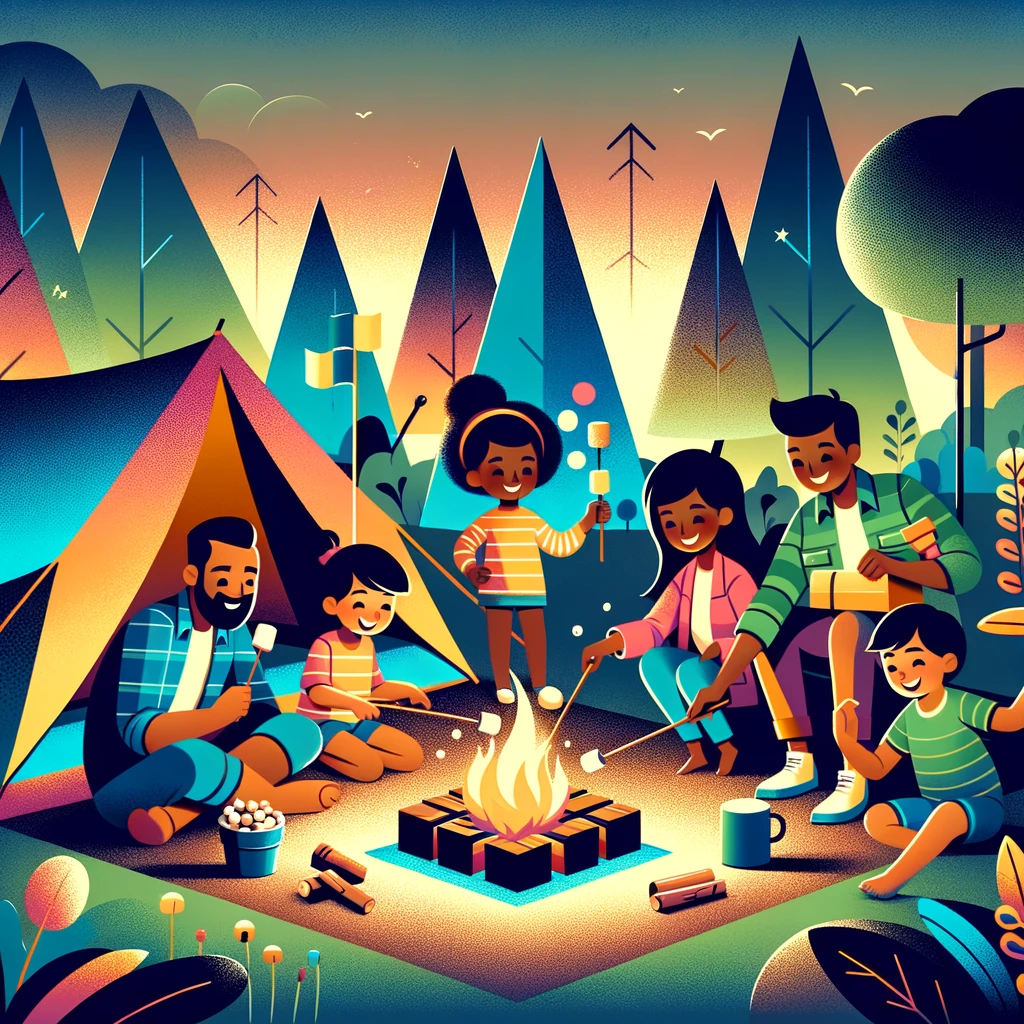
 Whole-day plan
 Backyard camping with kids made easy — tent setup, simple camp food and evening games without leaving home.
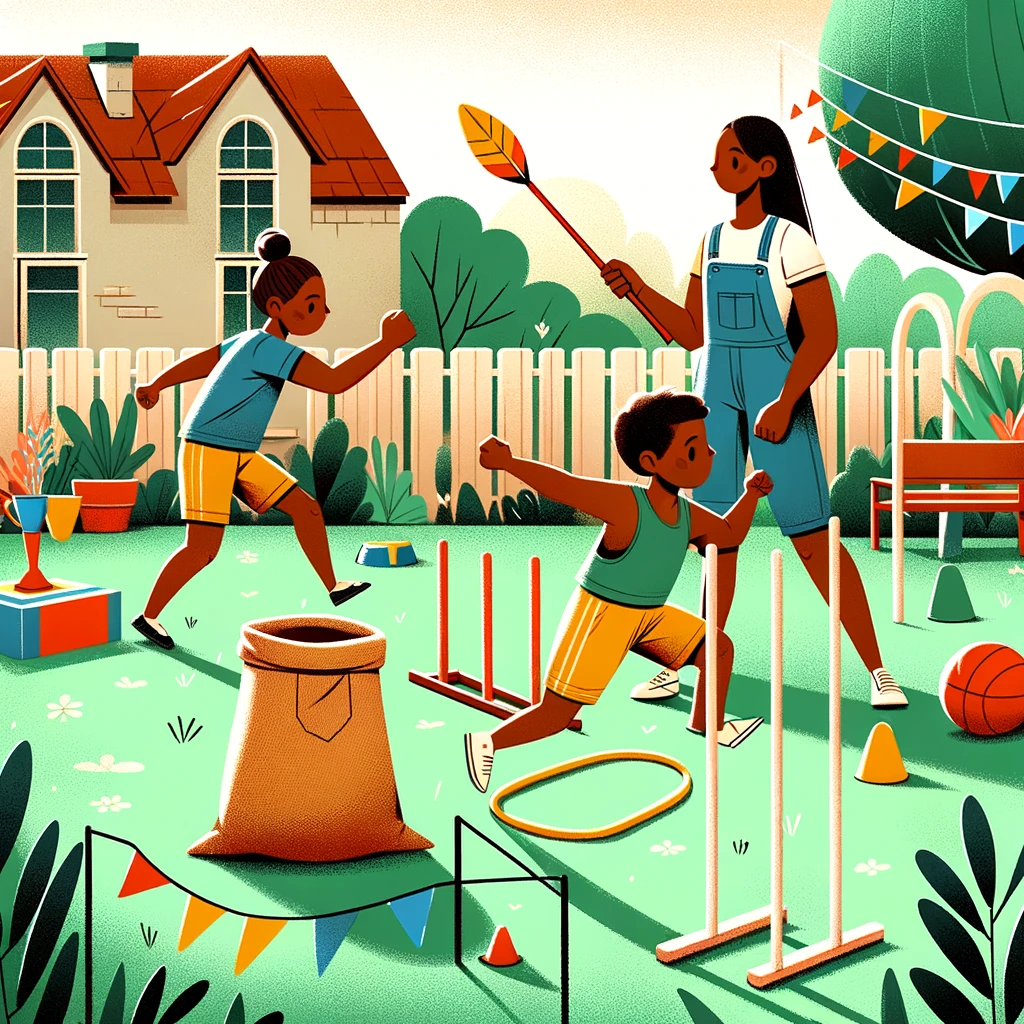 Whole-day plan
 An opening ceremony, five garden events, foil medals and a podium made of upturned buckets. The closing ceremony is not optional and never has been.
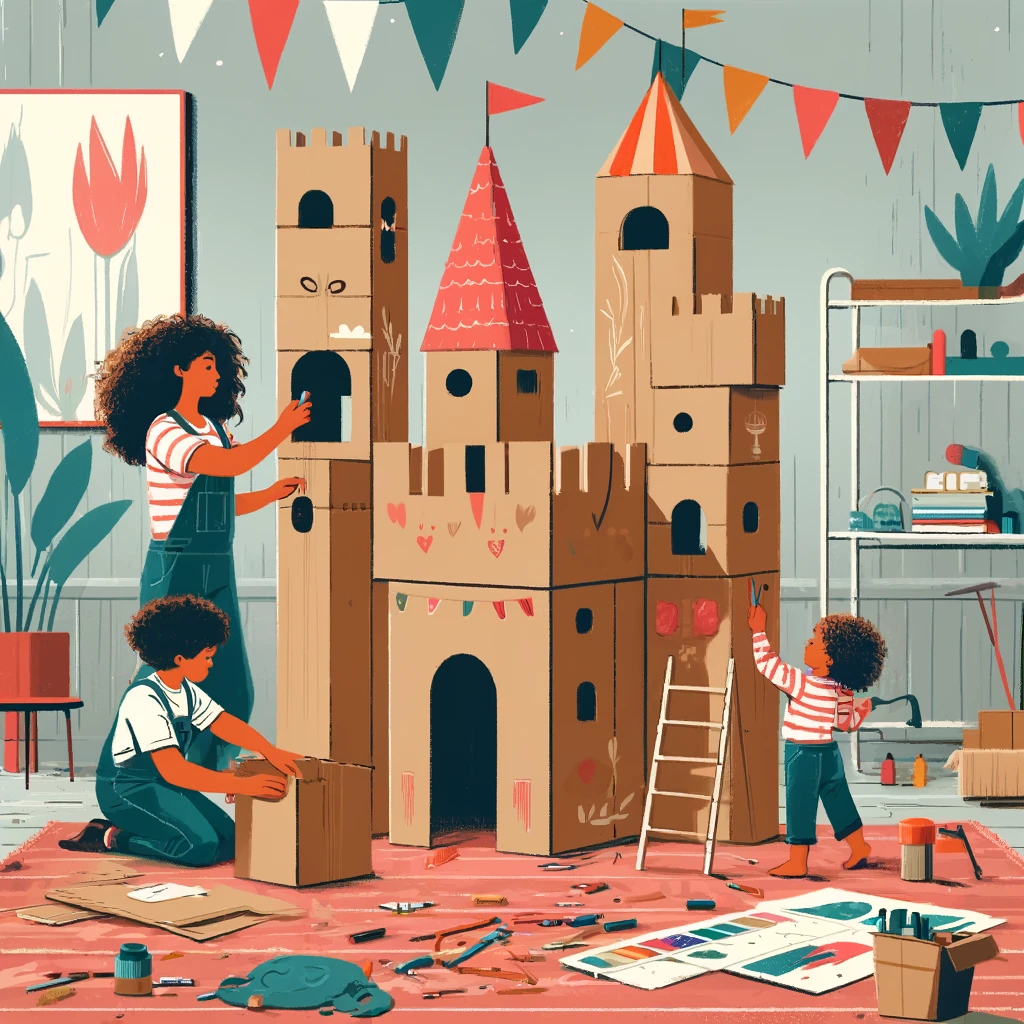 Whole-day plan
 One big box becomes a fortress with battlements, a working drawbridge and a strict door policy. Built in a morning, defended all afternoon, negotiated over at bedtime.
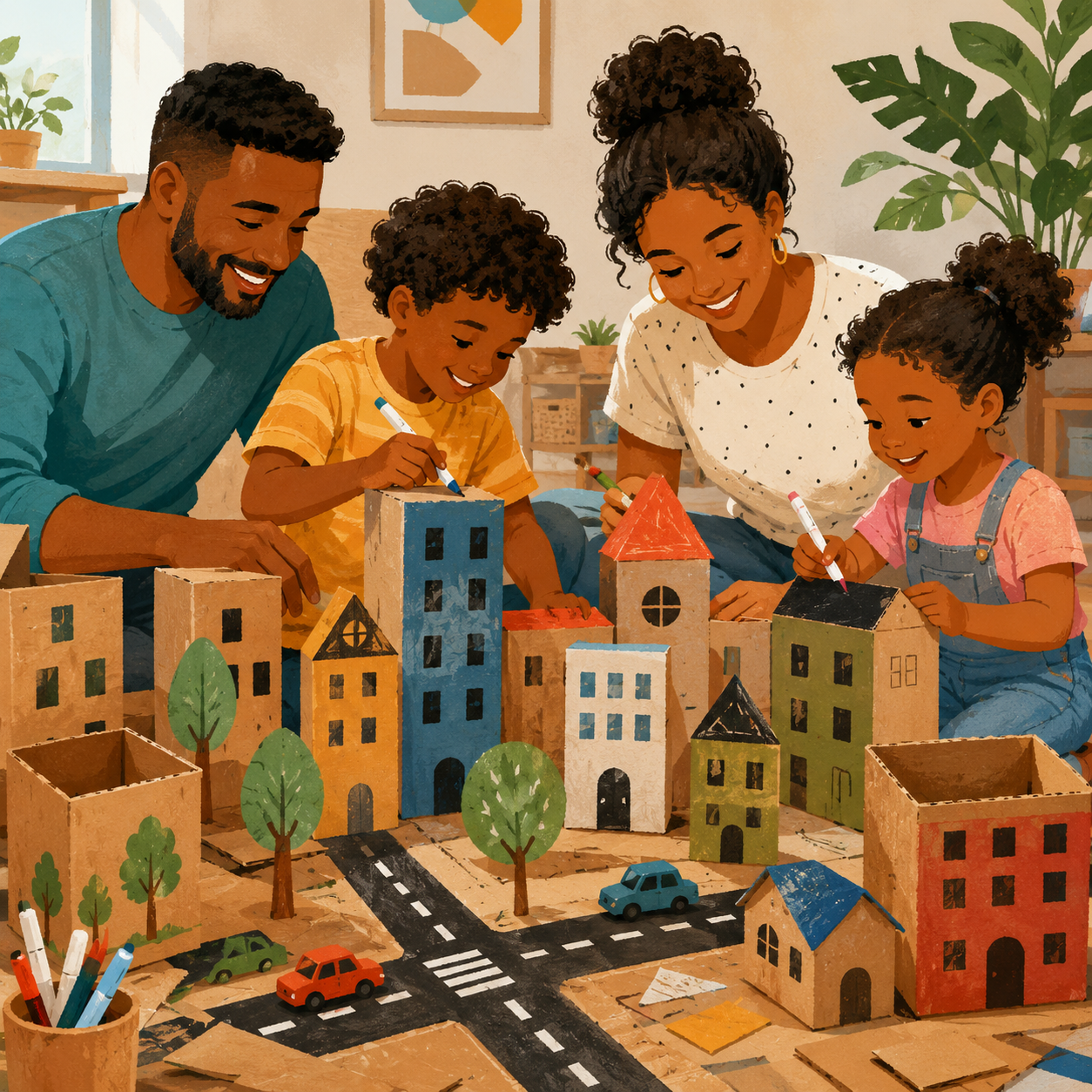 Whole-day plan
 A cardboard box city activity for kids that fills a whole day — build in the morning, then role-play the city all afternoon.
 Whole-day plan
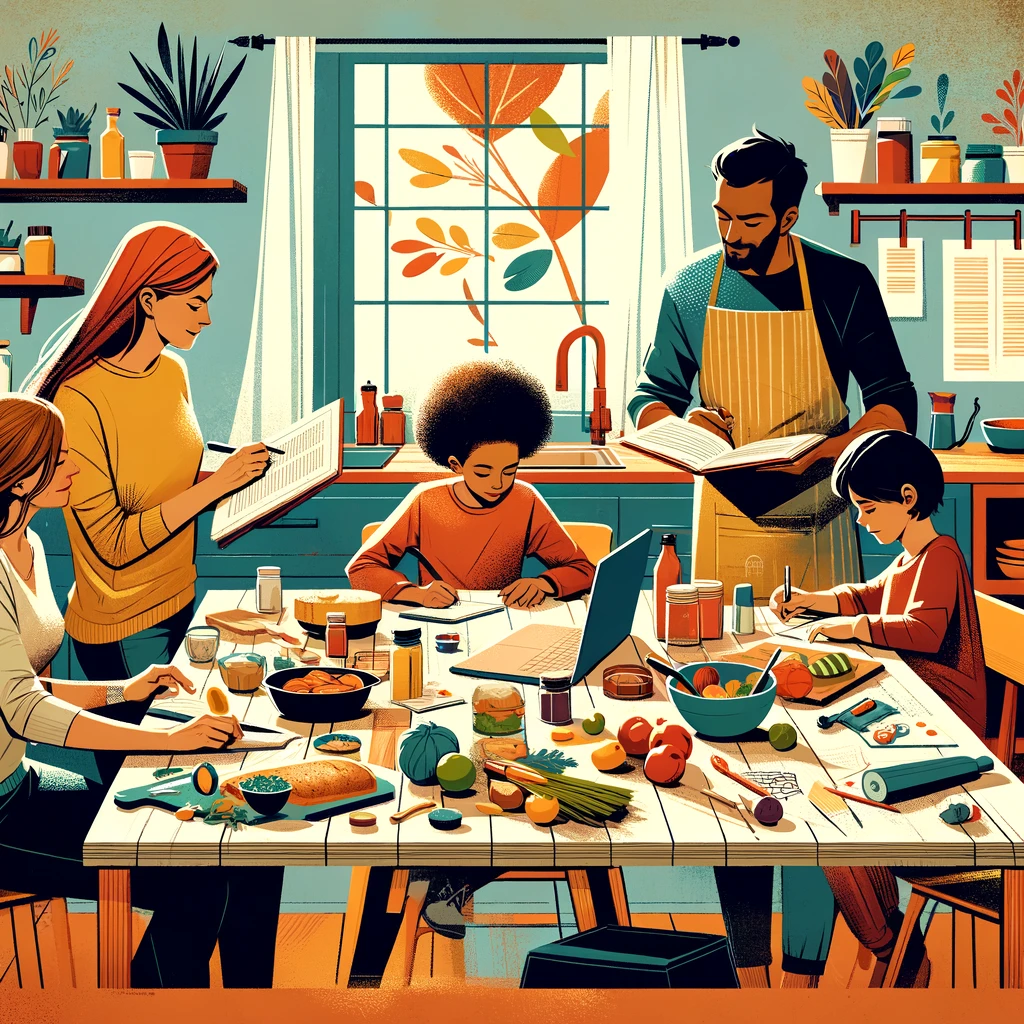
 Collect the recipes your family actually makes — including the weird ones — cook one together for lunch, and bind the lot into a real book by teatime. Granny's contributions arrive by phone.
 Whole-day plan
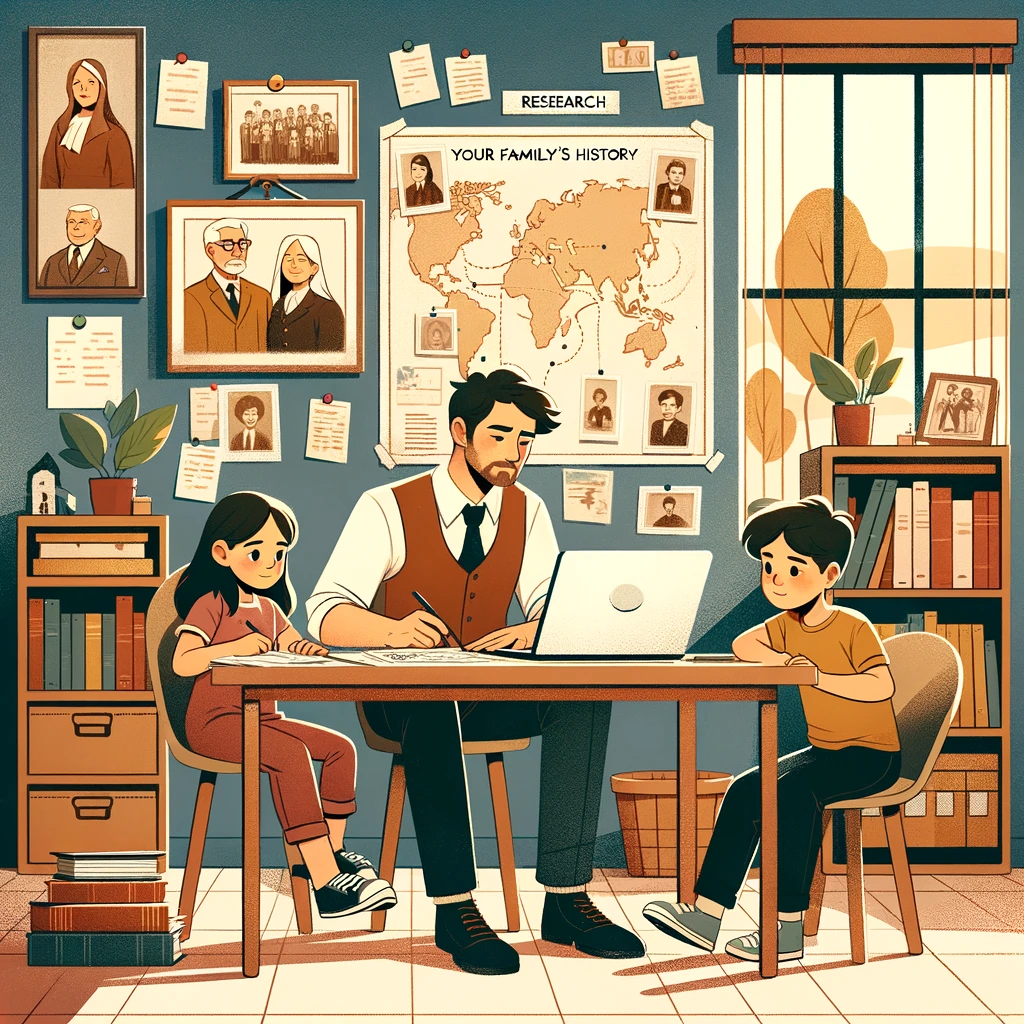
 Spend a day being detectives in your own family — interview the elders, map the tree, dig through the photo box, and pin the findings to a wall like a proper investigation.
 Whole-day plan
 One day to make the book your family will fight over in forty years — photos, tickets, interviews, hand prints and the stories behind the fridge-door legends, bound by teatime.
 Whole-day plan
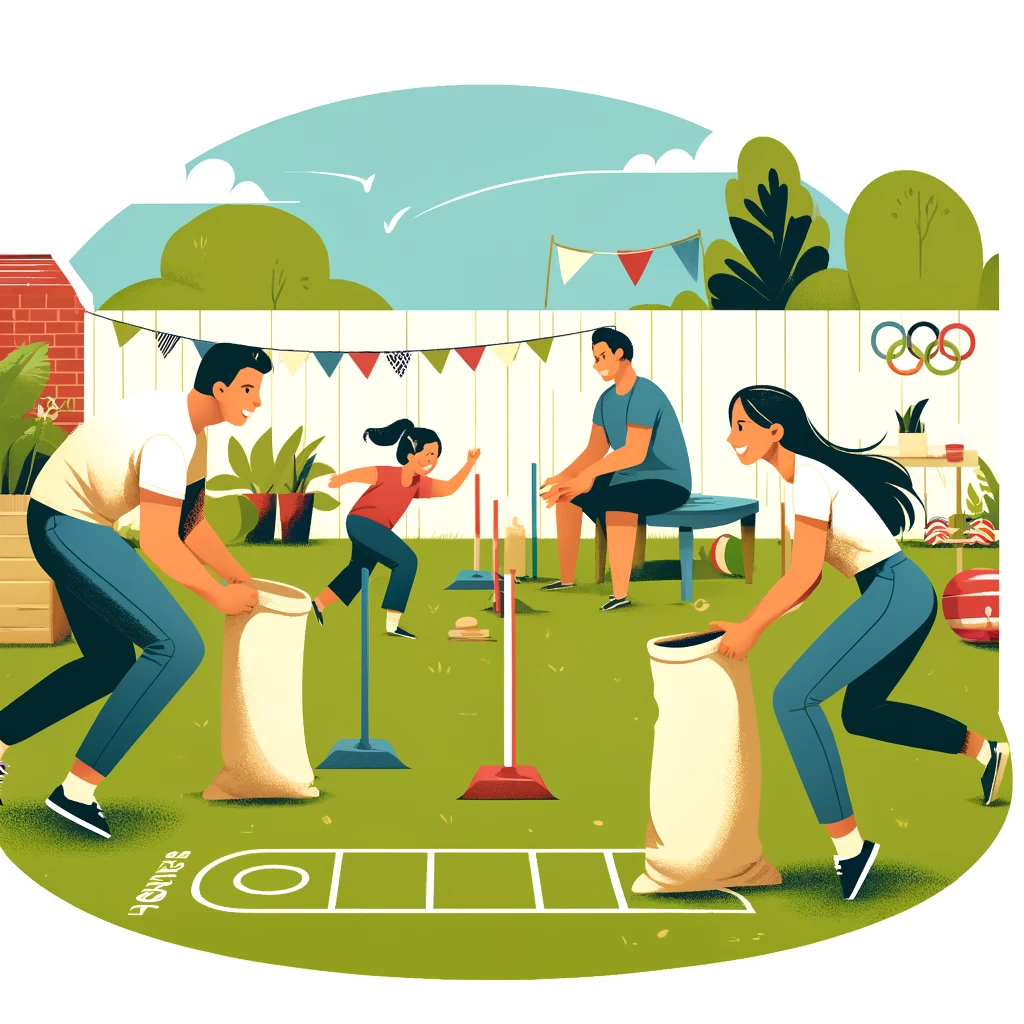
 Family Olympics games to run at home with simple events, scorecards and mixed-age rules for a full day of competition.
 Whole-day plan
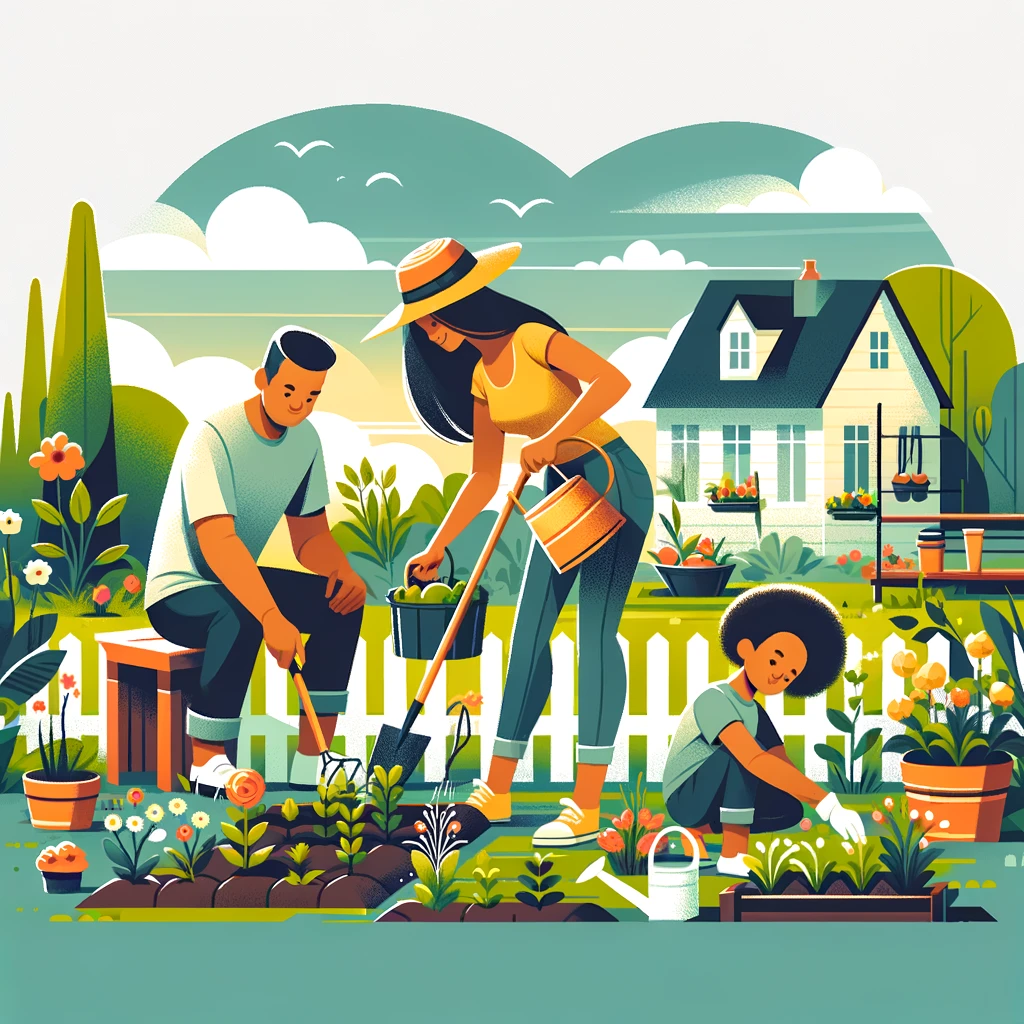
 One full day to give the kids a corner of the garden that's actually theirs. Dig it, plant it, name it, water it — then watch them check it every morning for a month.
 Whole-day plan
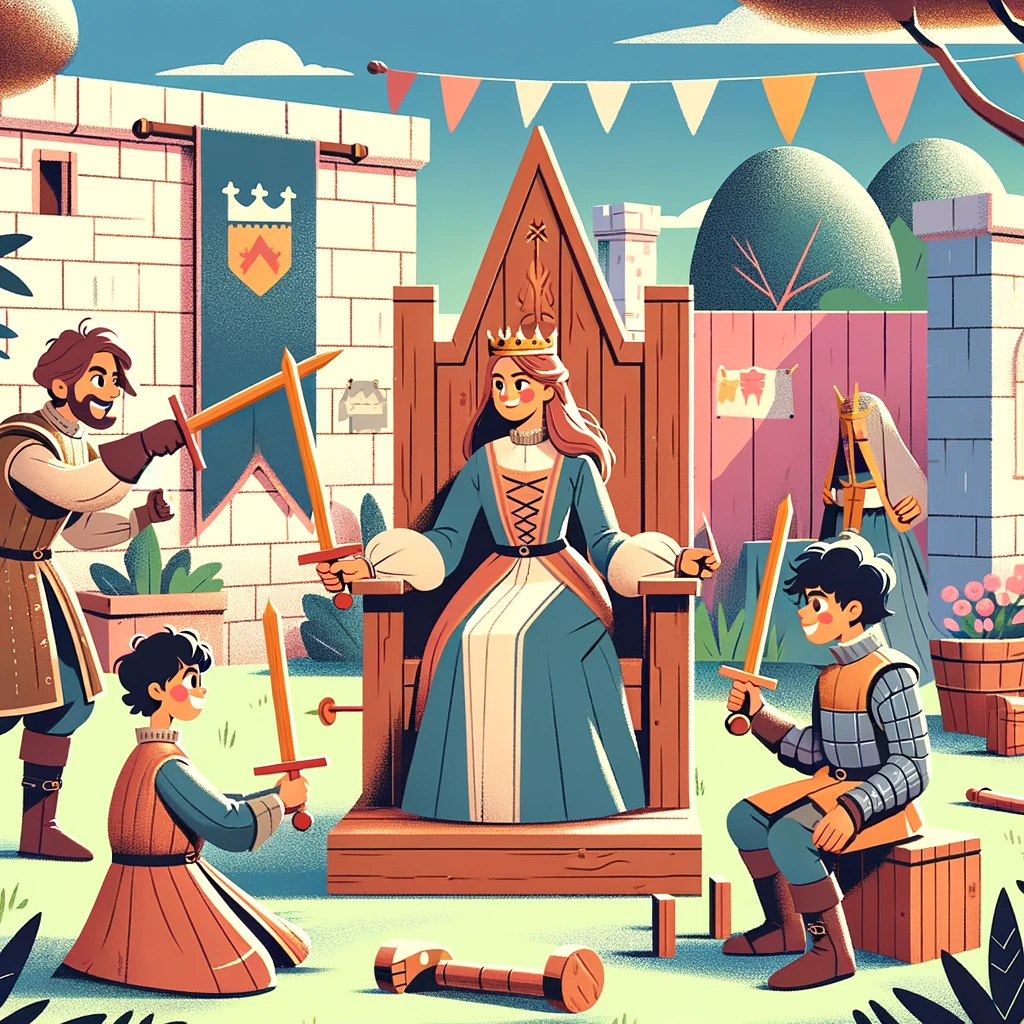
 Pick an era, dress the part from the airing cupboard, and live one day of history at home — Roman feast, Victorian school hour, castle siege. The past, performed badly, remembered forever.
 Whole-day plan
 Each kid picks a question, spends the day experimenting, and presents their findings at the 4pm fair — poster, demo and all. Judged by a grandparent on video call, rosettes compulsory.
 Whole-day plan
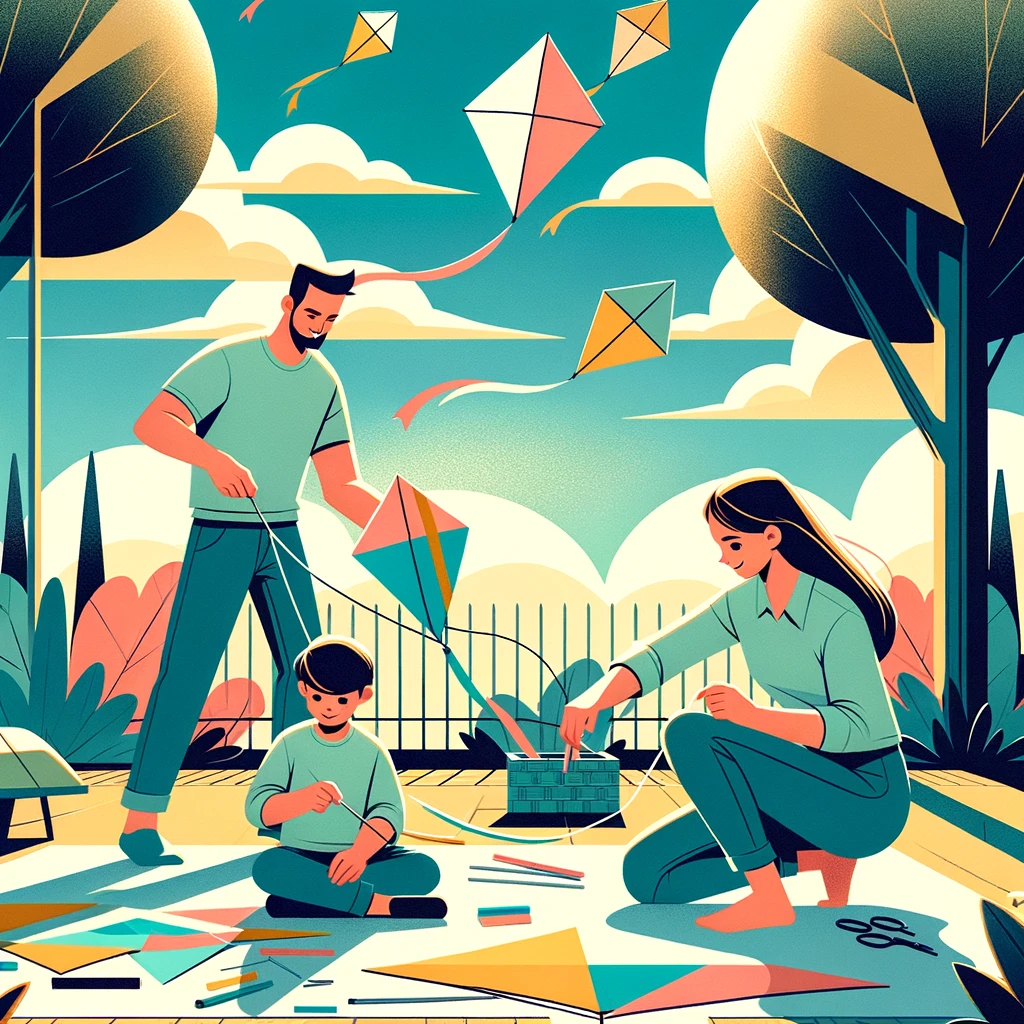
 Build kites from bin bags and garden canes in the morning, then take them to the biggest hill you know and find out whose flies. The crash reel matters as much as the flight.
 Whole-day plan
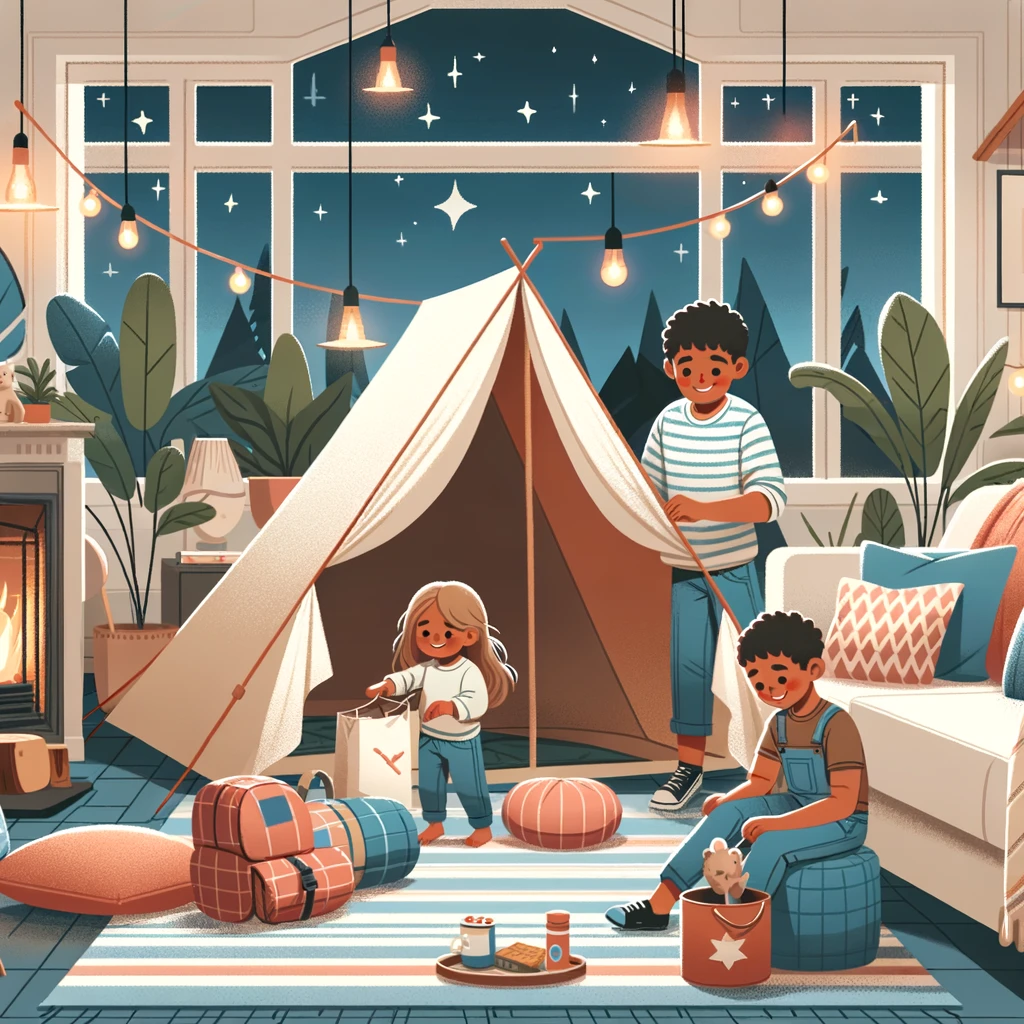
 Indoor camping for kids with blanket tents, torchlight games and bedtime stories — a weather-proof family night plan.
 Whole-day plan
 Script over breakfast, costumes by lunch, filming all afternoon, premiere after dinner — tickets compulsory. One phone, one family, one questionable masterpiece.
 Whole-day plan
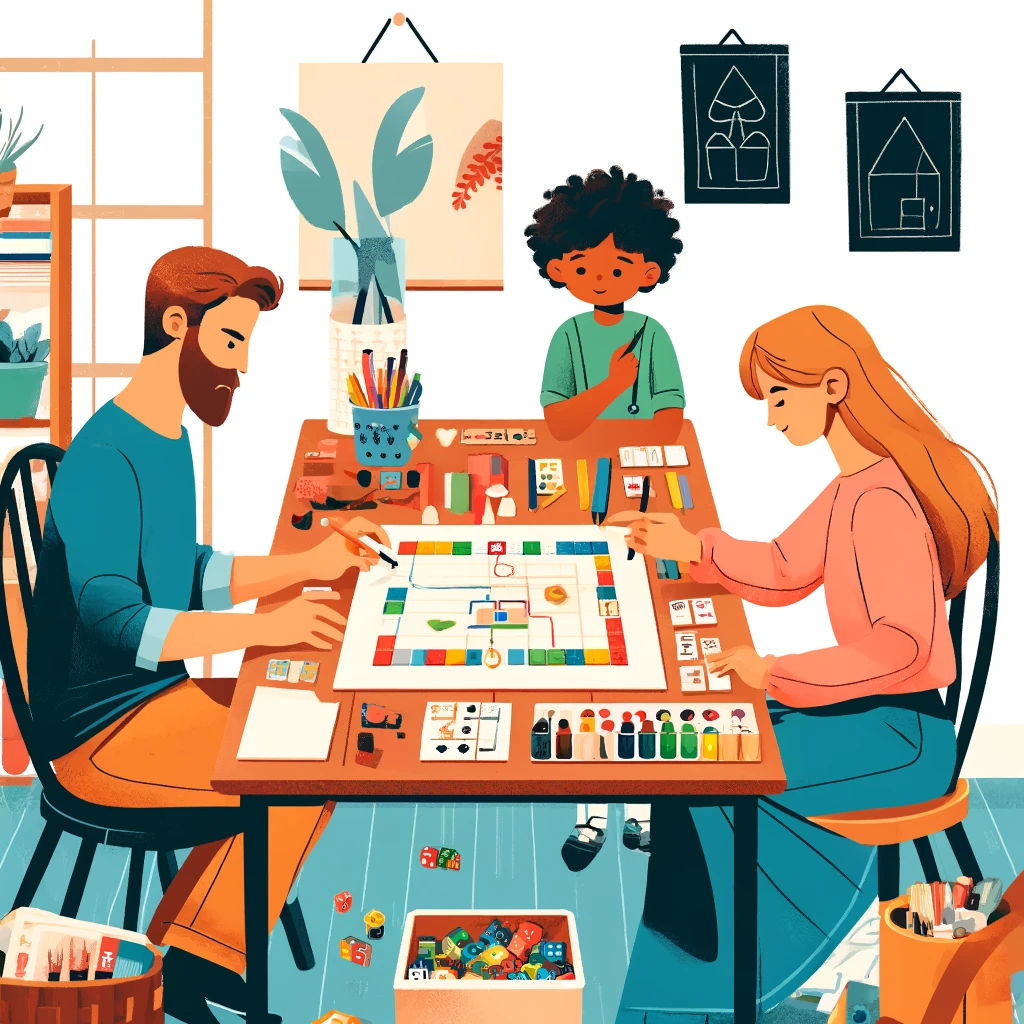
 Create your own board game with kids — from theme and rules to playtesting and final artwork in one creative session.
 Whole-day plan
 Eyepatches at breakfast, a proper treasure map by lunch, and a hunt across the house or garden all afternoon. One chocolate-coin chest and the whole day runs itself.
 Whole-day plan
 Invent a hero at breakfast, build the costume by lunch, then spend the afternoon on a training course and one big rescue mission. Capes from pillowcases, powers from imagination.
 Whole-day plan
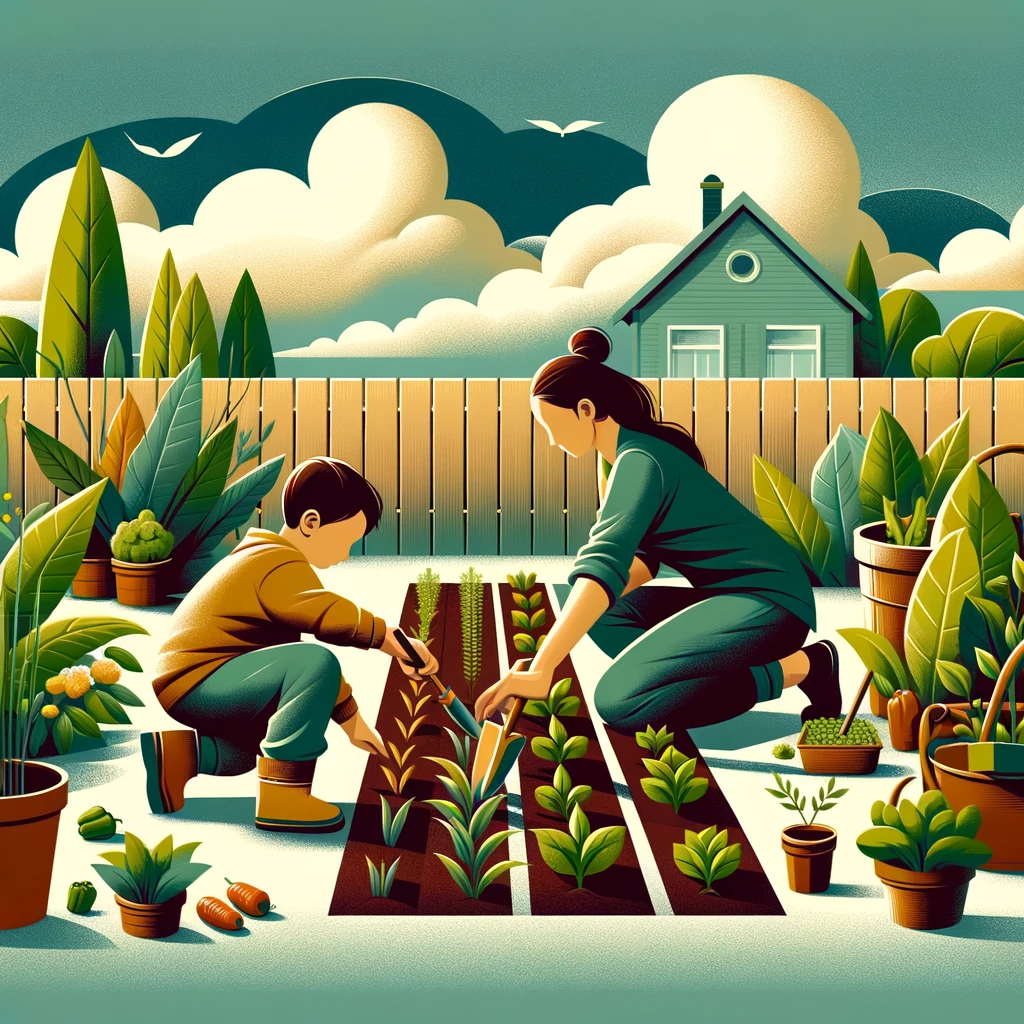
 Start a veg patch the kids actually own — dig it, plant what they'll genuinely eat, and set up the watering habit. The first radish arrives in three weeks; the smugness lasts all summer.
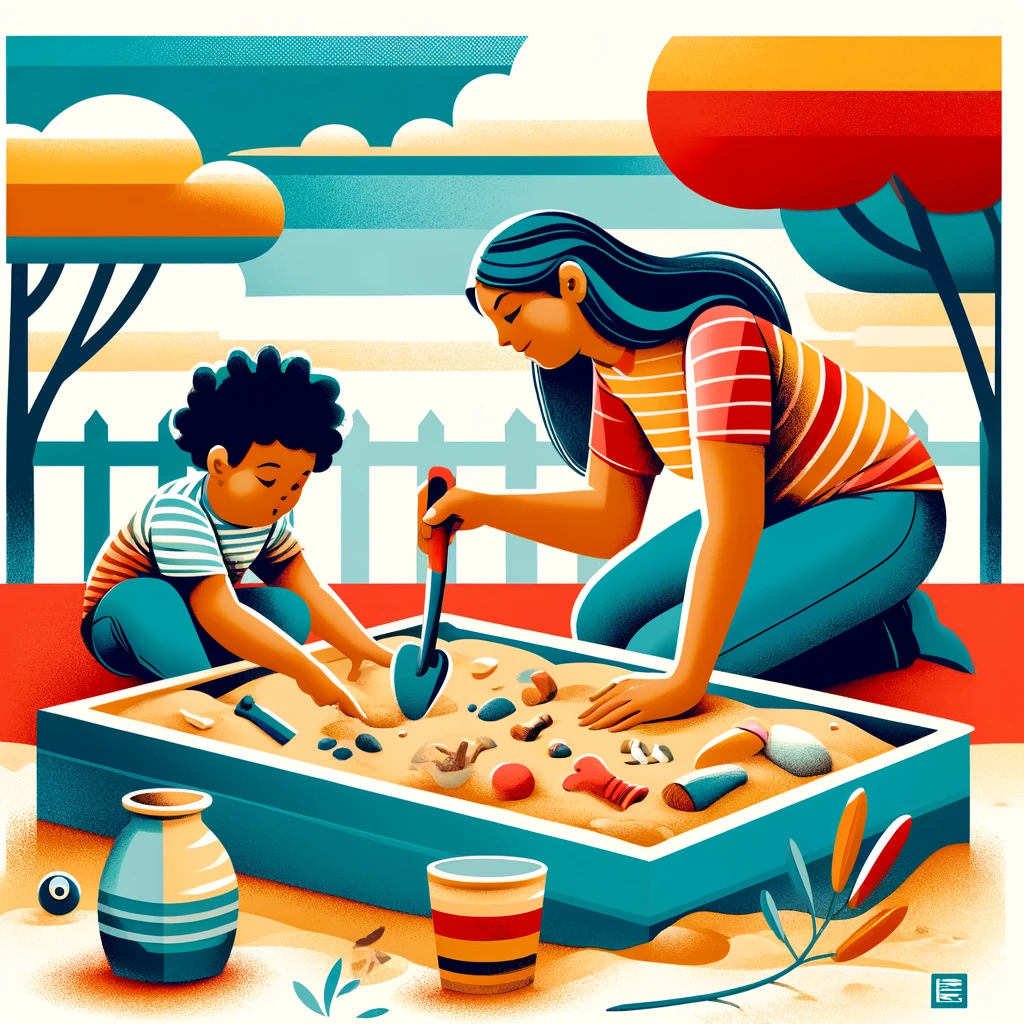
Bury a civilisation before breakfast, excavate it properly after lunch — grids, brushes, finds trays and field notes. The dig is staged; the method is completely real.

Backyard astronomy for families with no telescope required — moon viewing, planet spotting and easy constellation wins.

The weirdest Olympic sport, recreated in a garden — laps of running with stops to hit targets under pressure, where every miss costs a penalty lap. Legs versus aim, and the drama writes itself.
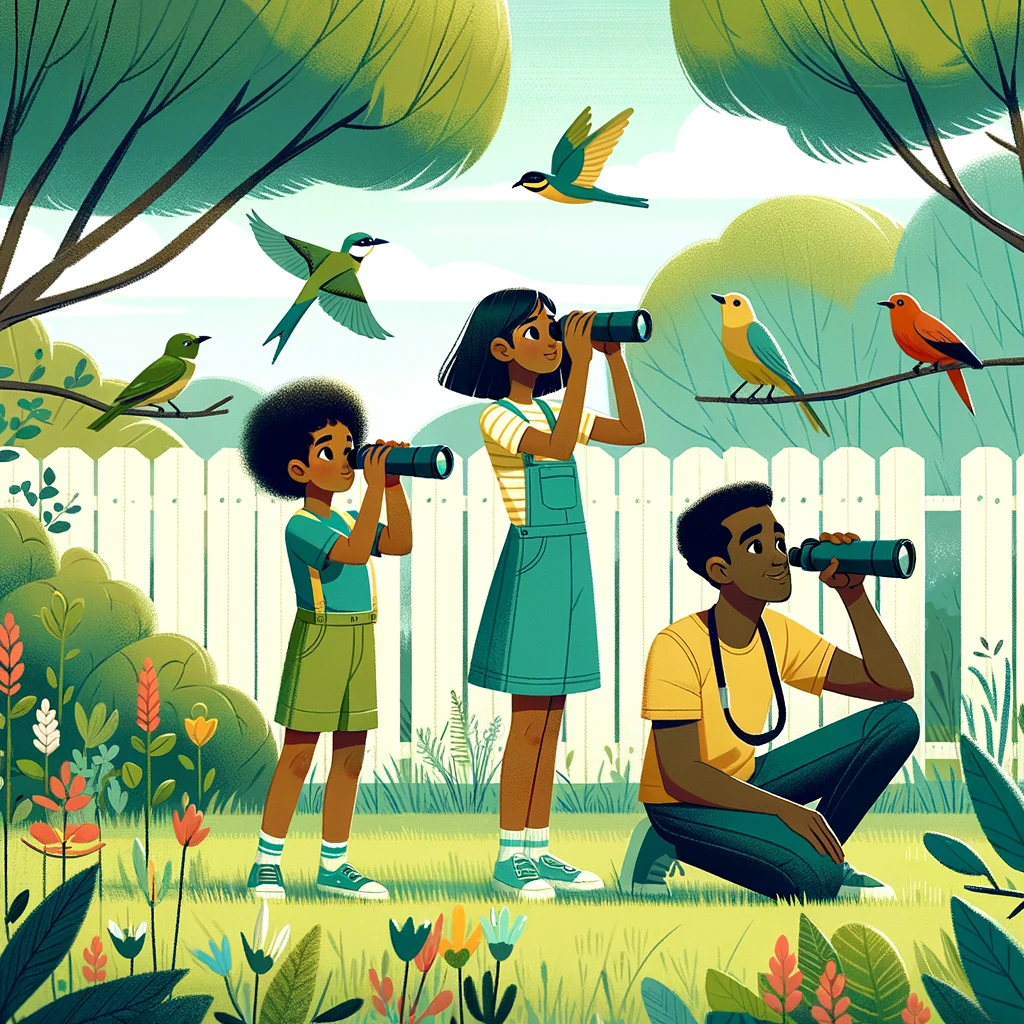
A window, a tally chart and the patience of hunters — garden birdwatching works for kids the moment it becomes a count, a competition and a café you're running for the birds.

How many different plants live in your garden? Nobody knows — until the survey. Quadrats from coat hangers, a specimen press, and the discovery that the lawn is a jungle.
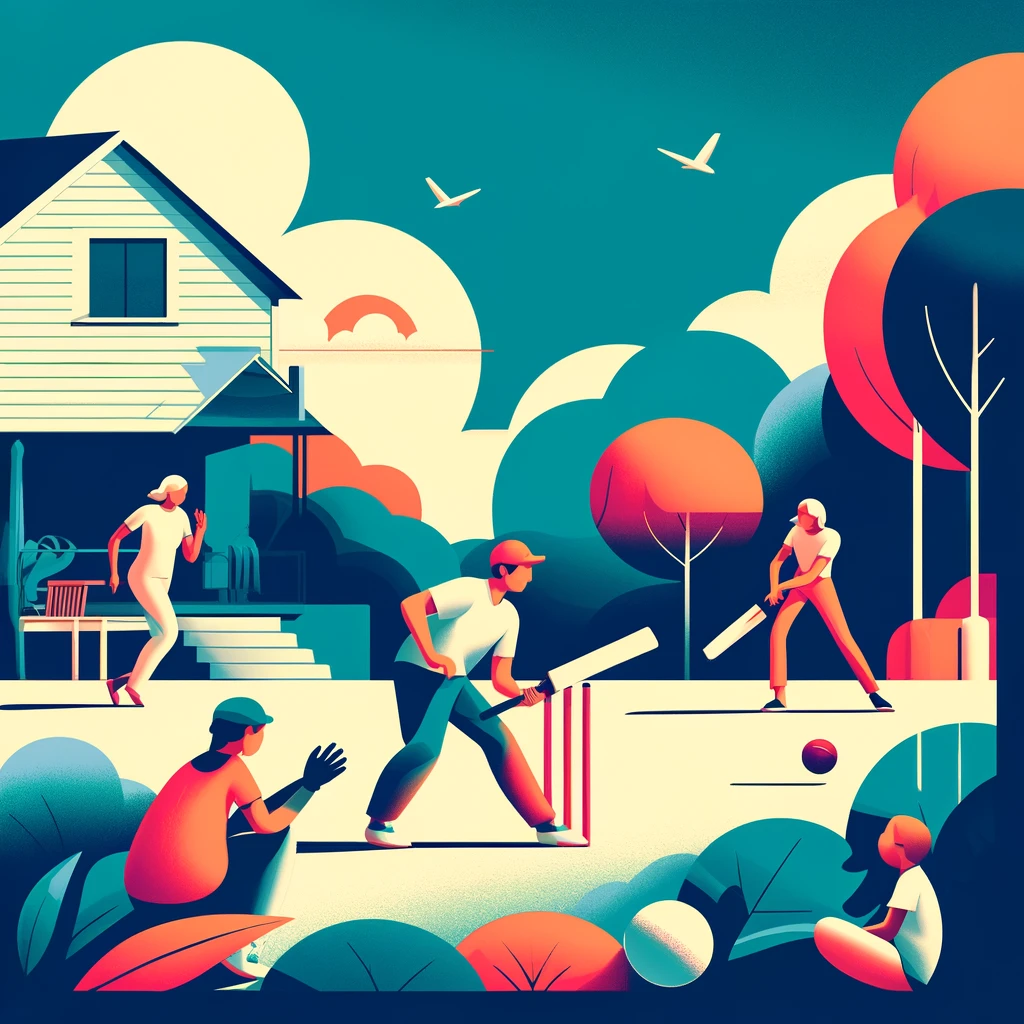
A bin for stumps, a tennis ball, and the sacred household rules — six-and-out, one-hand-one-bounce, the tree is automatically out. The game that eats summer evenings whole.

Sponge dodgeball, the cup-on-head gauntlet, a water-balloon piñata and the sacred right to soak a parent. The hot-day plan that costs a washing-up bowl and ends in dry clothes and enormous dinners.
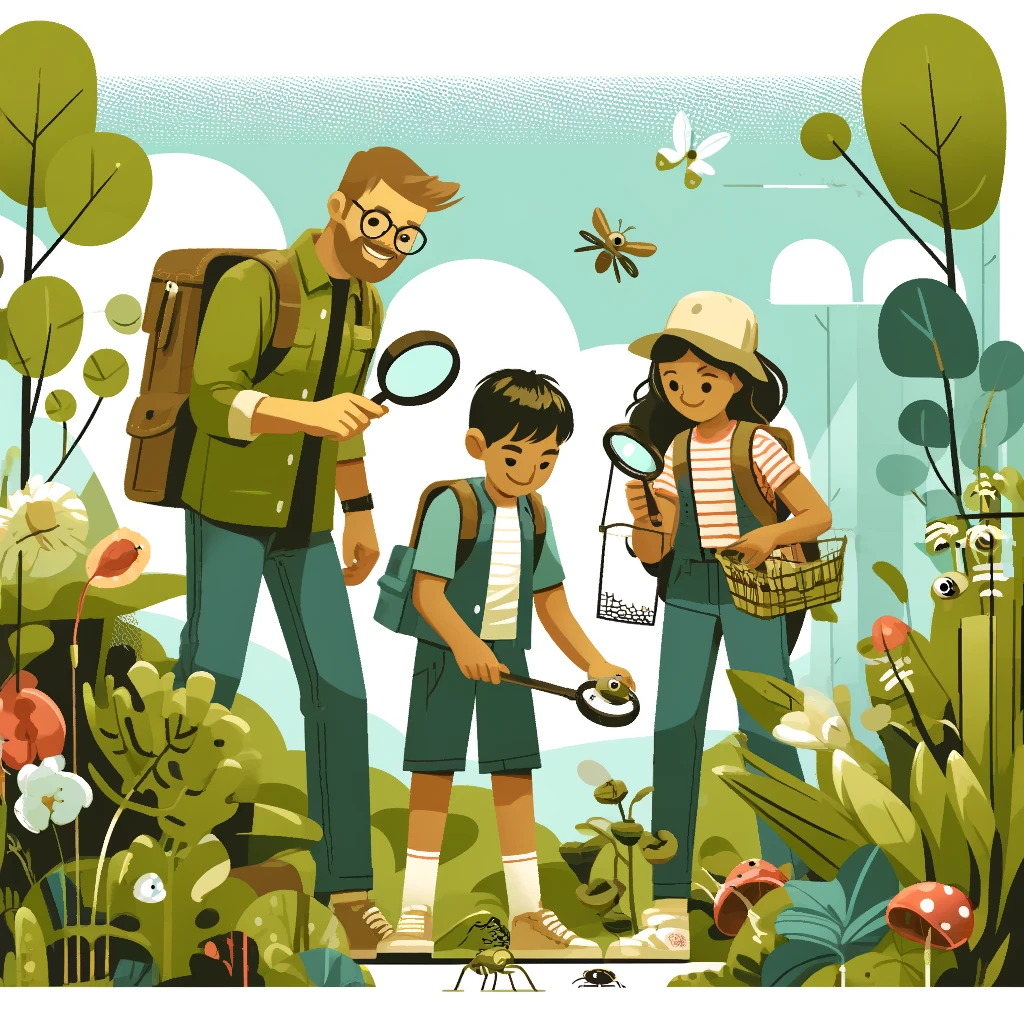
Lift the log, check under the pot, sweep the long grass — the garden is a game reserve and always was. A magnifying pot, a tally sheet, and the strict catch-and-release code.
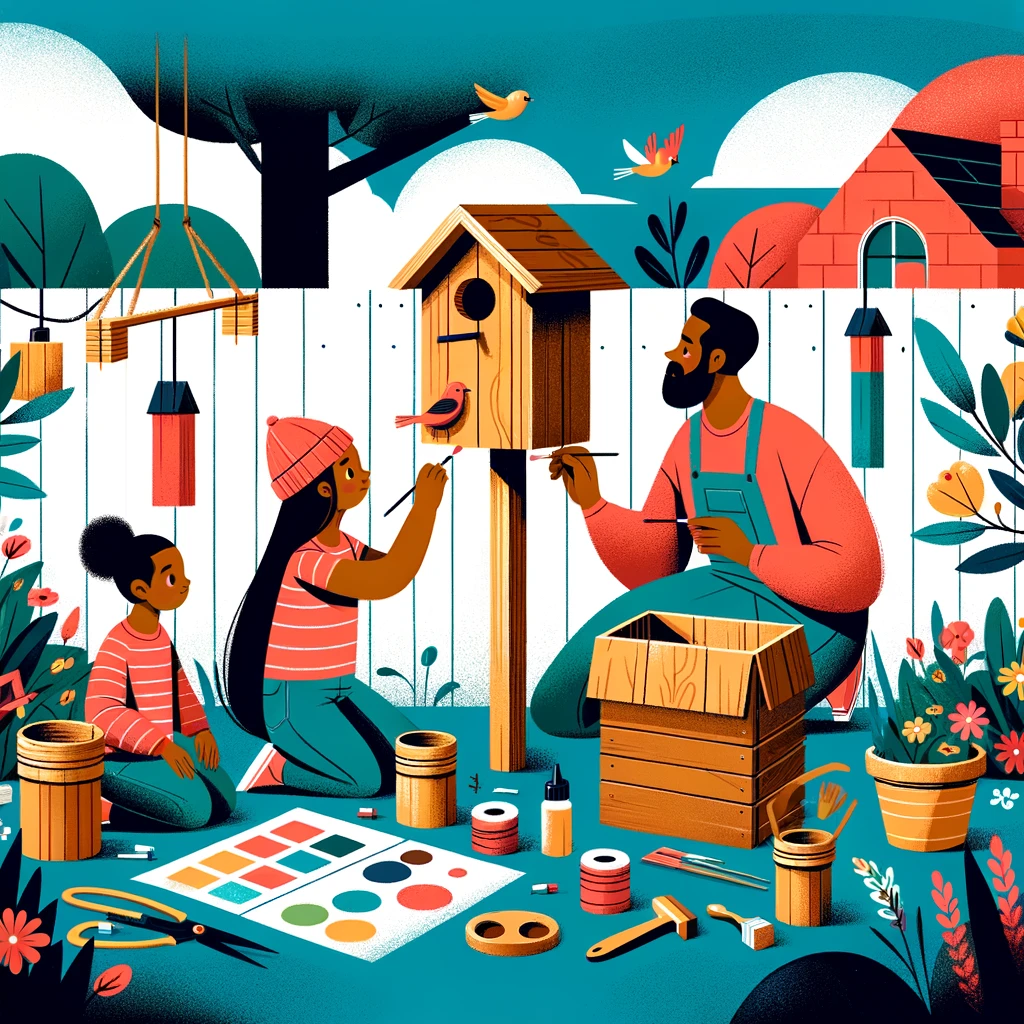
Real wood, real nails, a real drill (yours), and a box a blue tit might genuinely move into. The project where kids discover tools are better than toys.
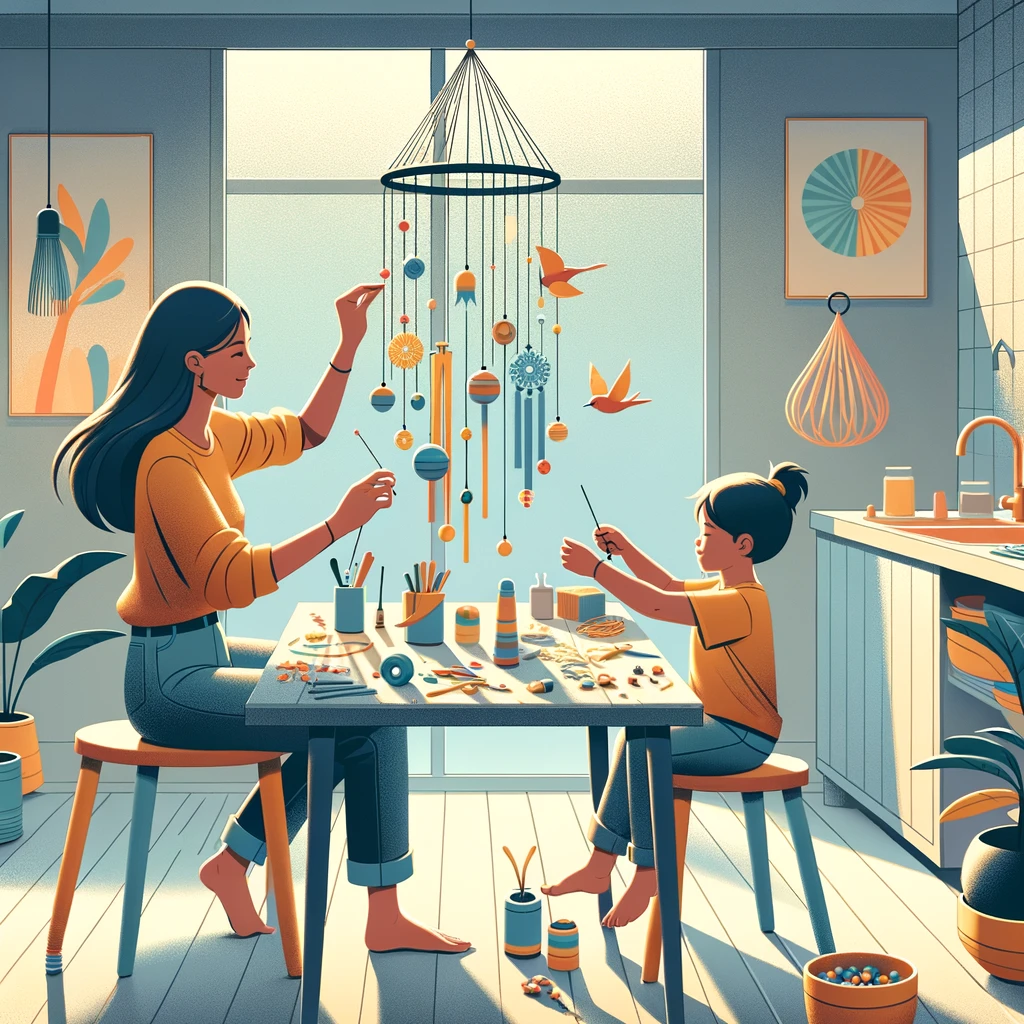
Raid the kitchen and the shed for things that ring, test everything by ear, and rig the best sounds into a chime for the garden. The instrument plays itself forever after.

The full ceremony — a weatherproofed capsule, a treasure map to find it again, and an actual hole in the actual garden. Five-year timer. Digging it up is a promise you're making today.
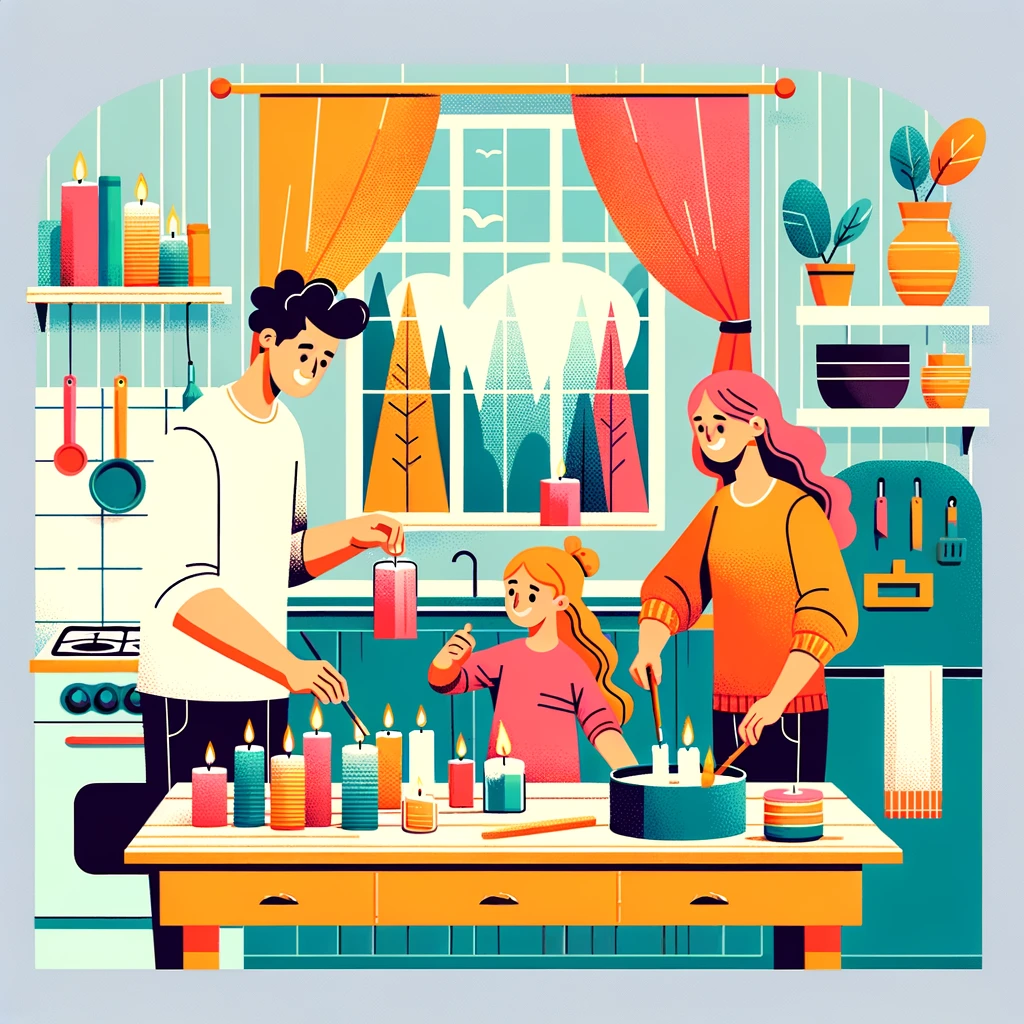
Melt, scent, colour and pour real candles into teacups and jars — a proper craft with a hot middle section that adults own, and results that pass for shop-bought.

Coding for kids at home, from unplugged robot games to first Scratch projects, with zero coding experience needed from adults.

Bake a batch of blank biscuits, mix icing in every colour you own, and run the decorating table like a tiny art studio. Gallery judging at the end; eating the exhibits mandatory.
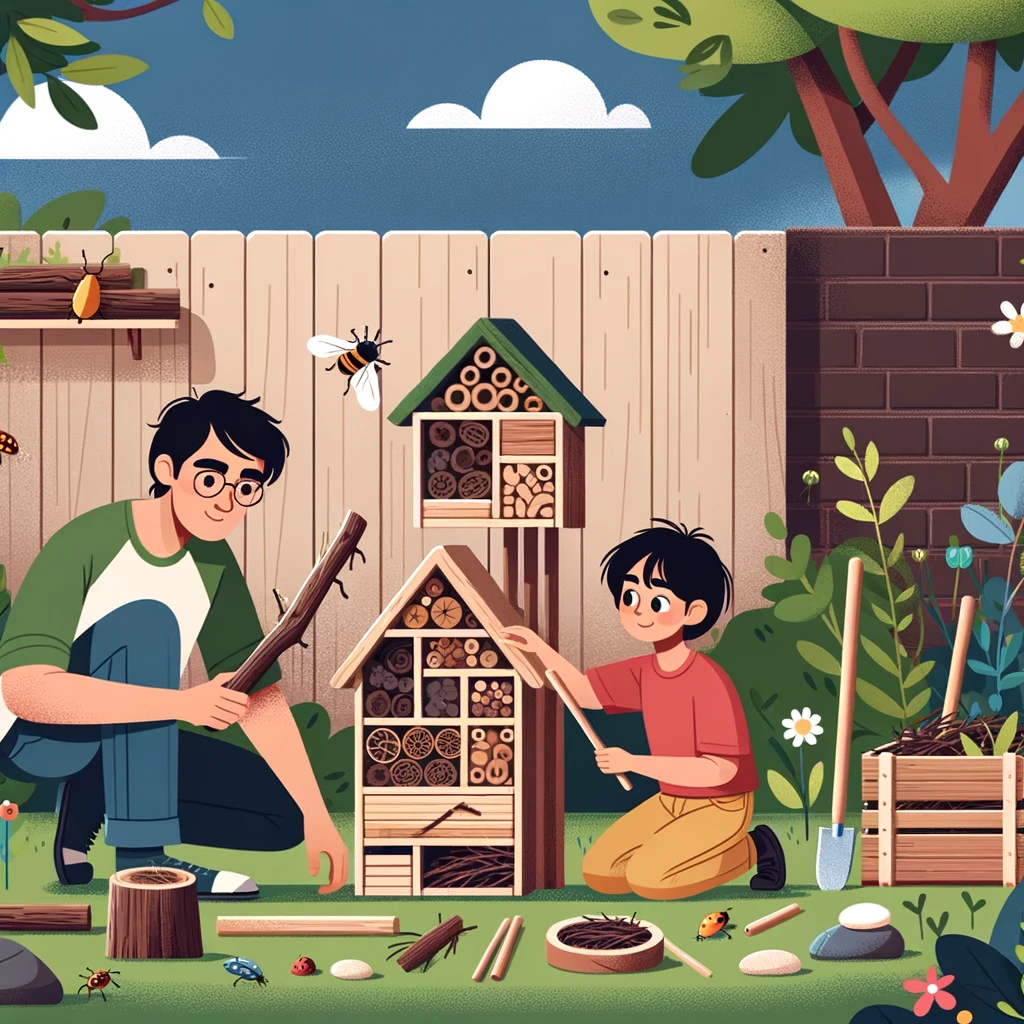
Pallets, bricks, bamboo and pine cones stacked into wildlife accommodation — the garden build with actual tenants, from solitary bees in the penthouse to woodlice in the basement.
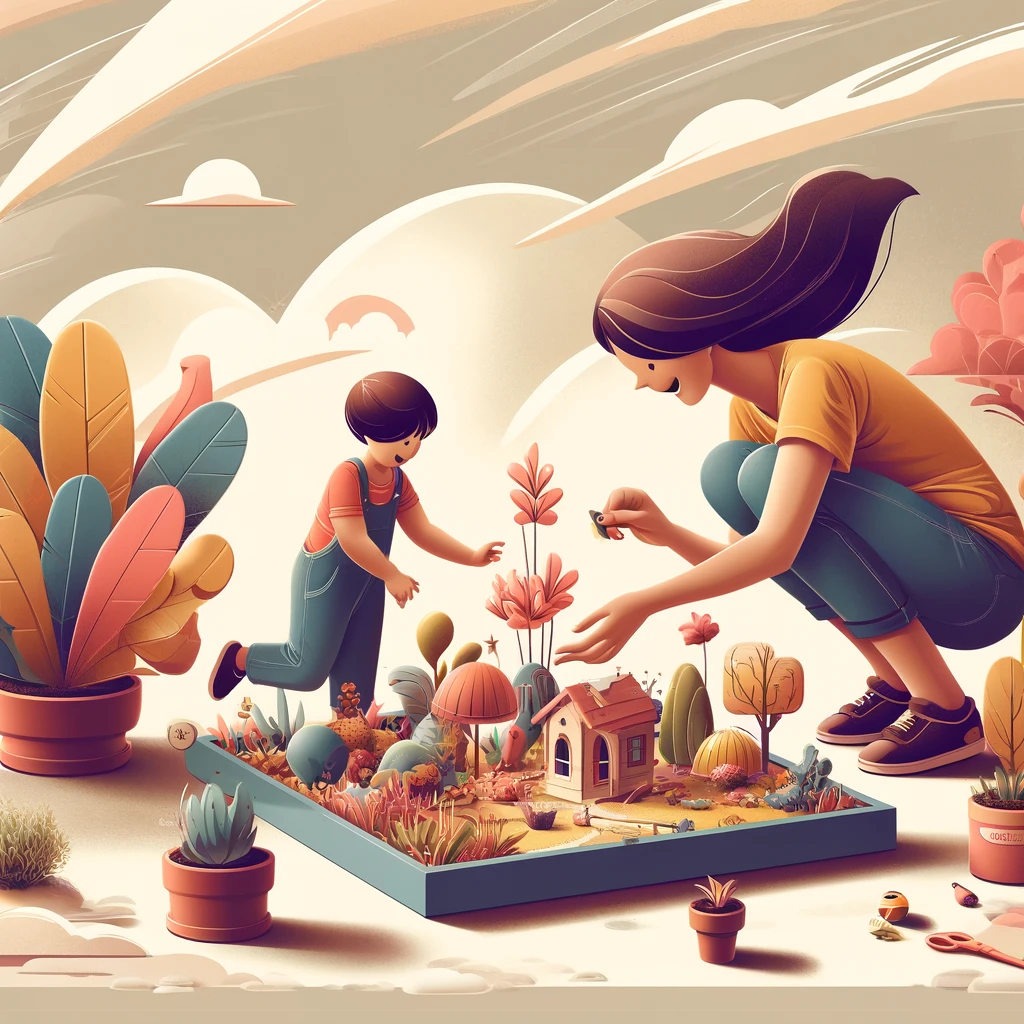
A corner of the garden becomes a small civilisation — pebble paths, a twig-and-bark house, a peg-doll resident and the strong household conviction that someone tiny moved in overnight.

The household gets a newspaper — headlines, interviews, a sports section covering the garden, weather by the window correspondent. Printed, stapled and posted to grandparents by Friday.
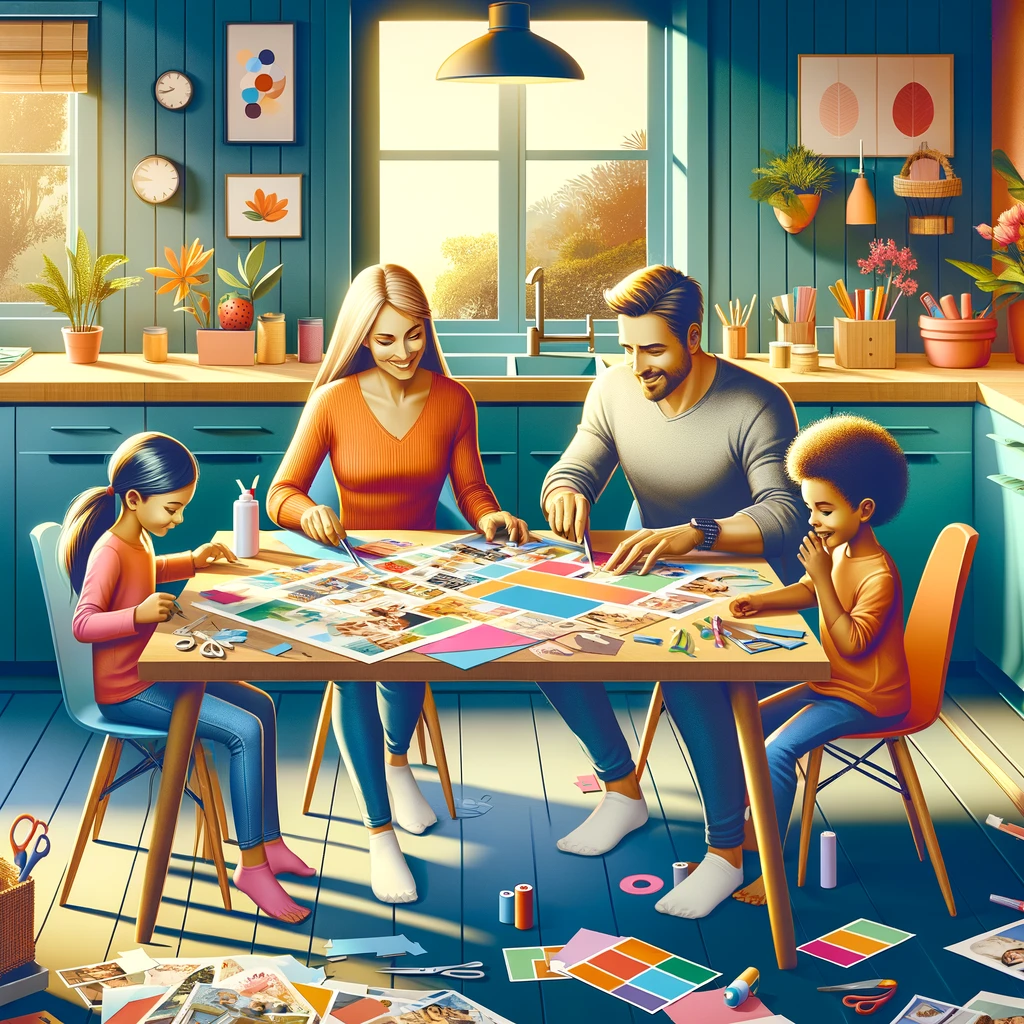
Old magazines, scissors, glue and one honest question — what would make this year great? A collage that's secretly a plan, made side by side and hung where mornings happen.
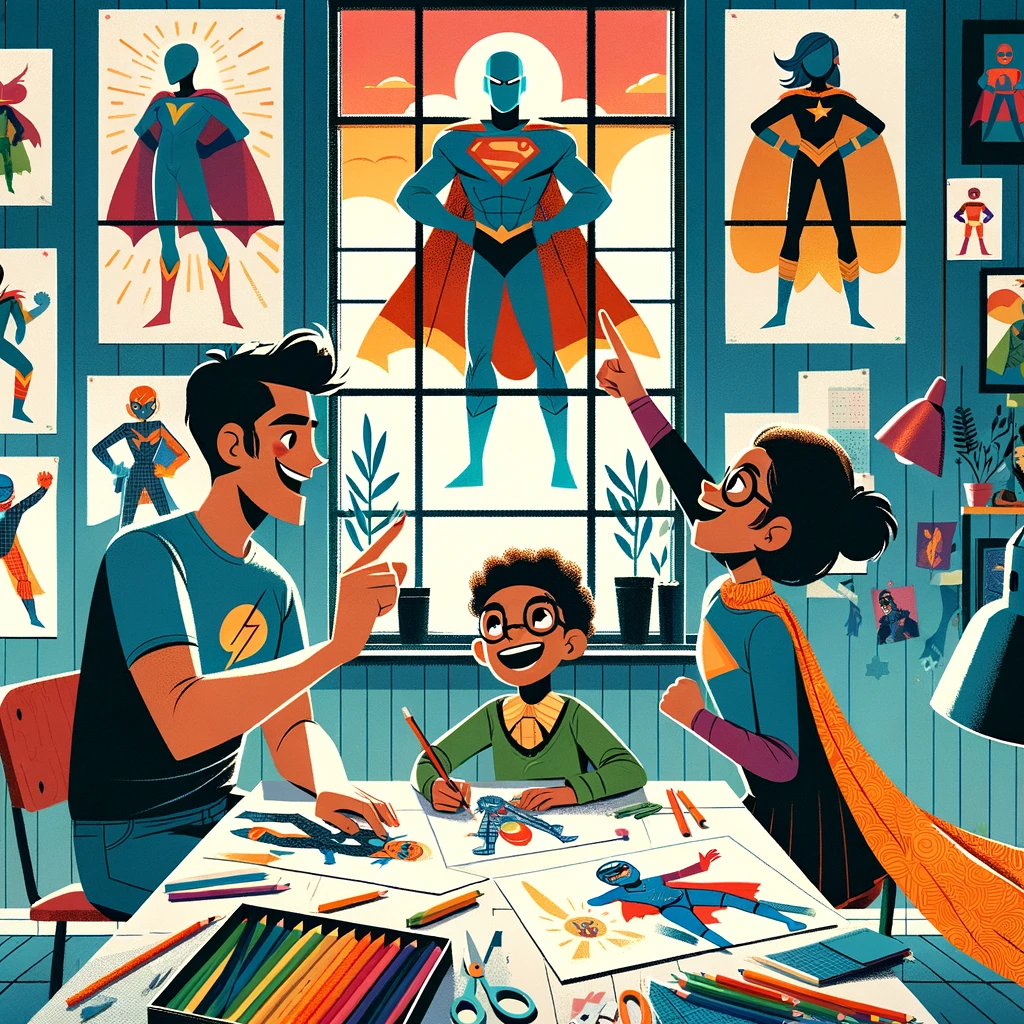
Design a hero on paper — powers, weakness, origin story, costume schematic — then write and illustrate their first adventure. The quiet, drawing-table cousin of Superhero Day.
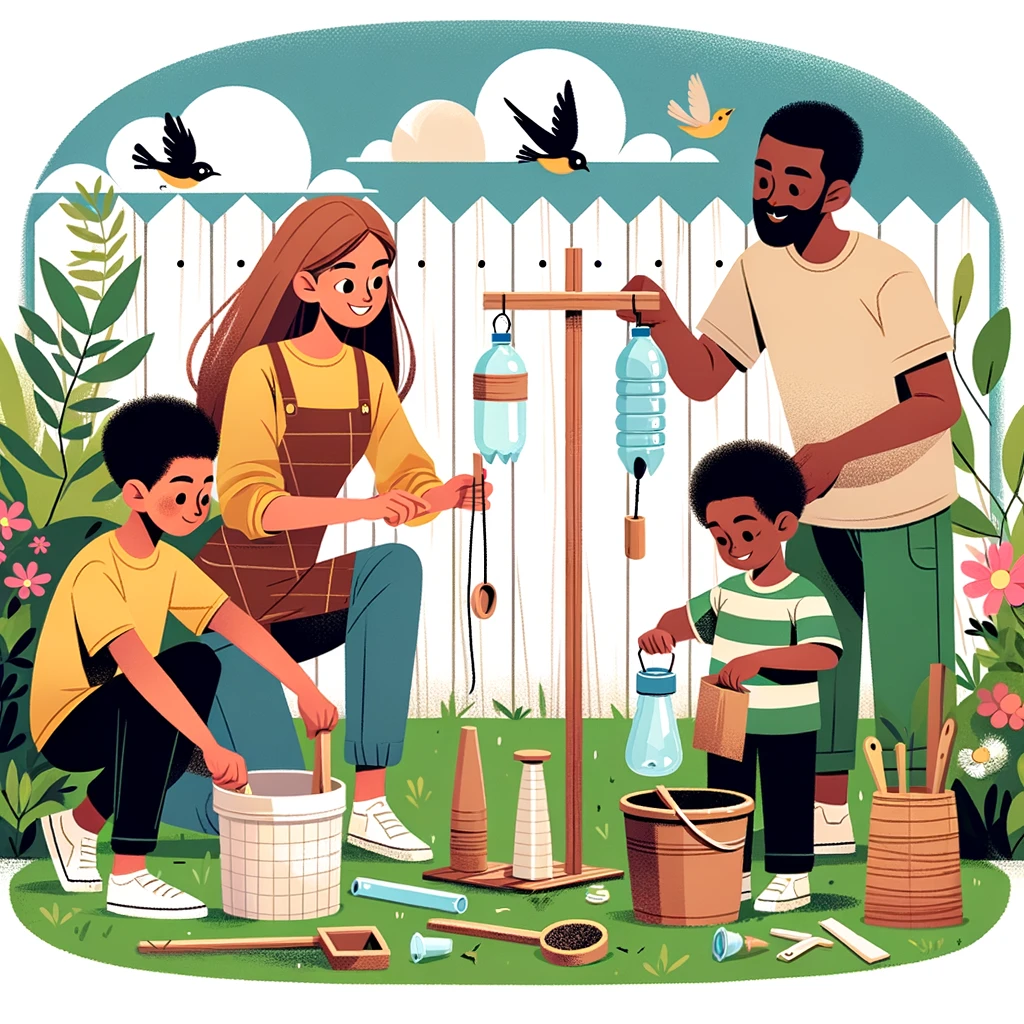
DIY bird feeder project for kids using a bottle and wooden spoons, with placement and hygiene tips so birds actually visit.
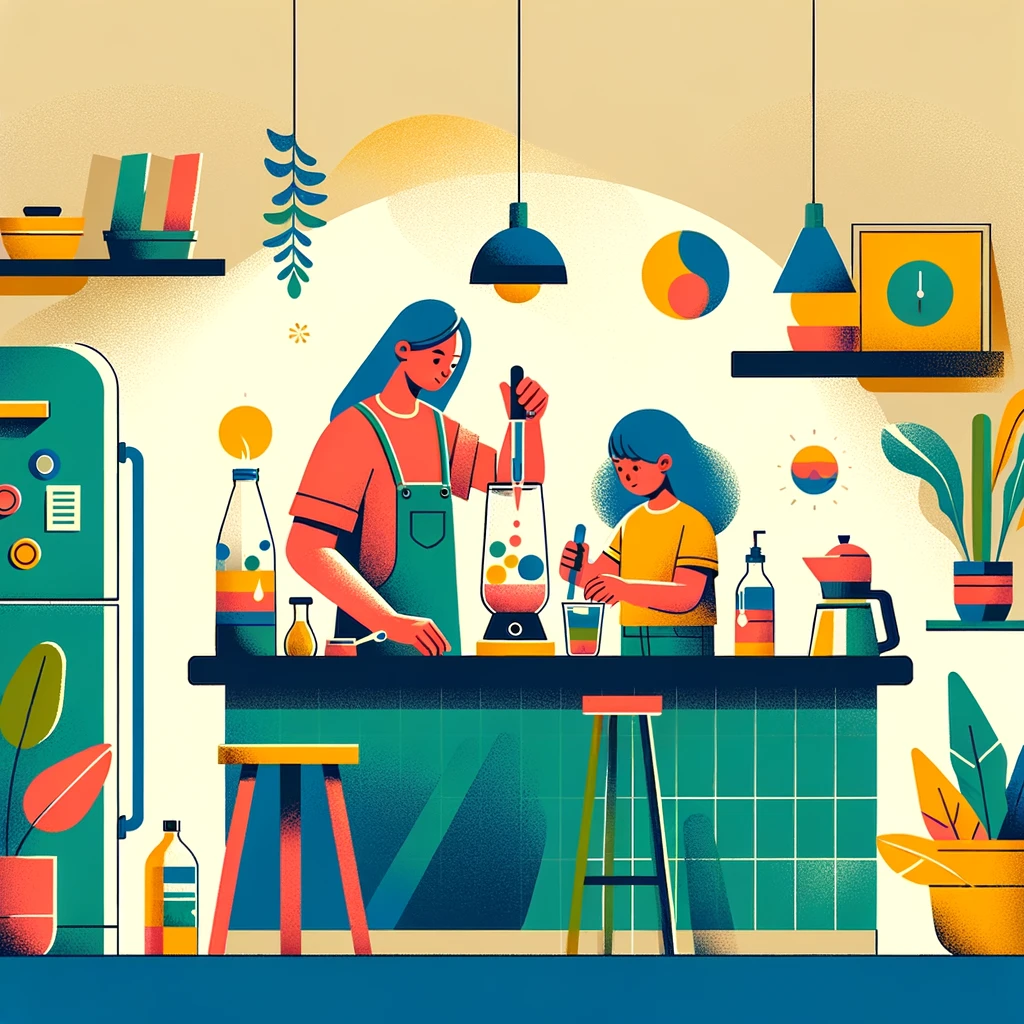
Oil, water, food colouring and a fizzing tablet — the bottle erupts into rising, falling blobs for a solid ten minutes, and the science underneath is real enough to keep.
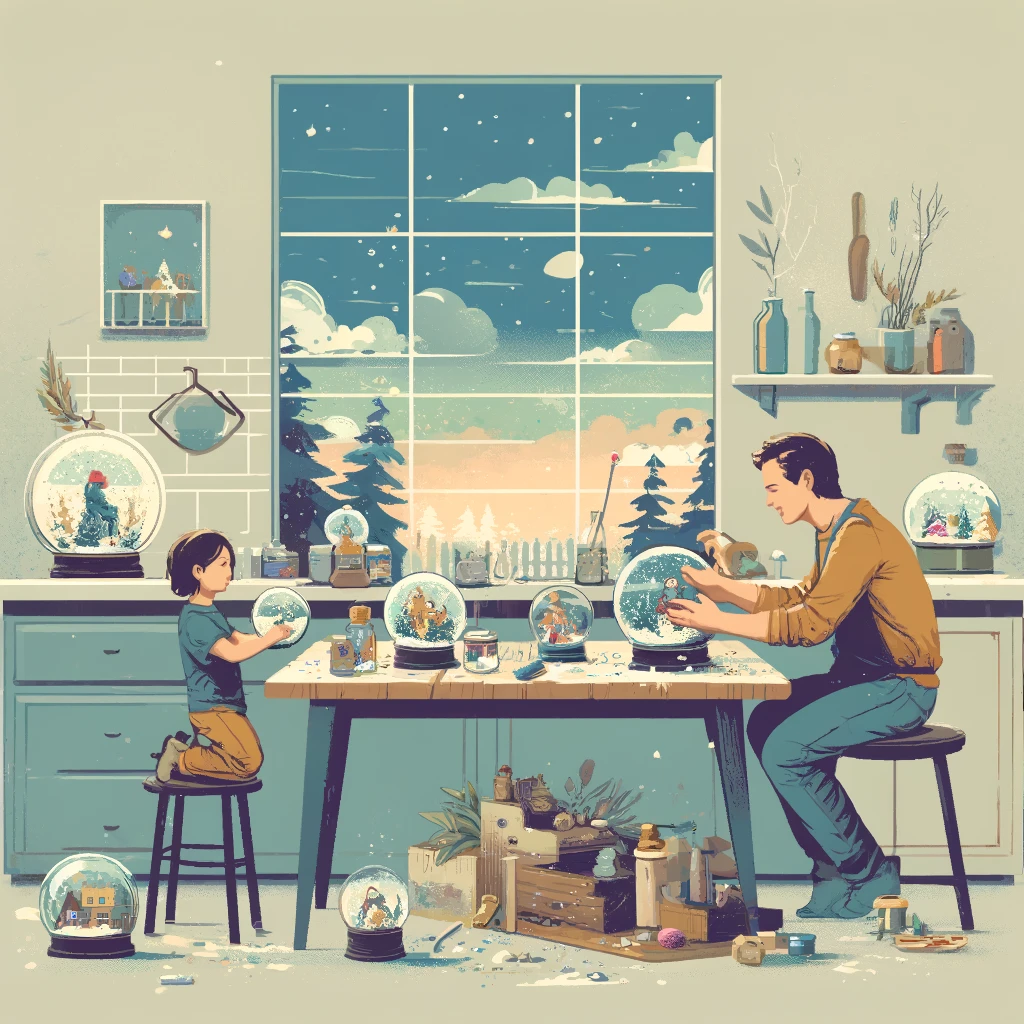
A jam jar, glycerine-slowed water and a figure glued to the lid — shake it and winter happens on demand. The craft that looks bought, built in an hour from the cupboard.

Plain shirts, fabric pens, and designs that survive the wash — plus the freezer-paper stencil trick that makes kid art look screen-printed. Family uniform by teatime.
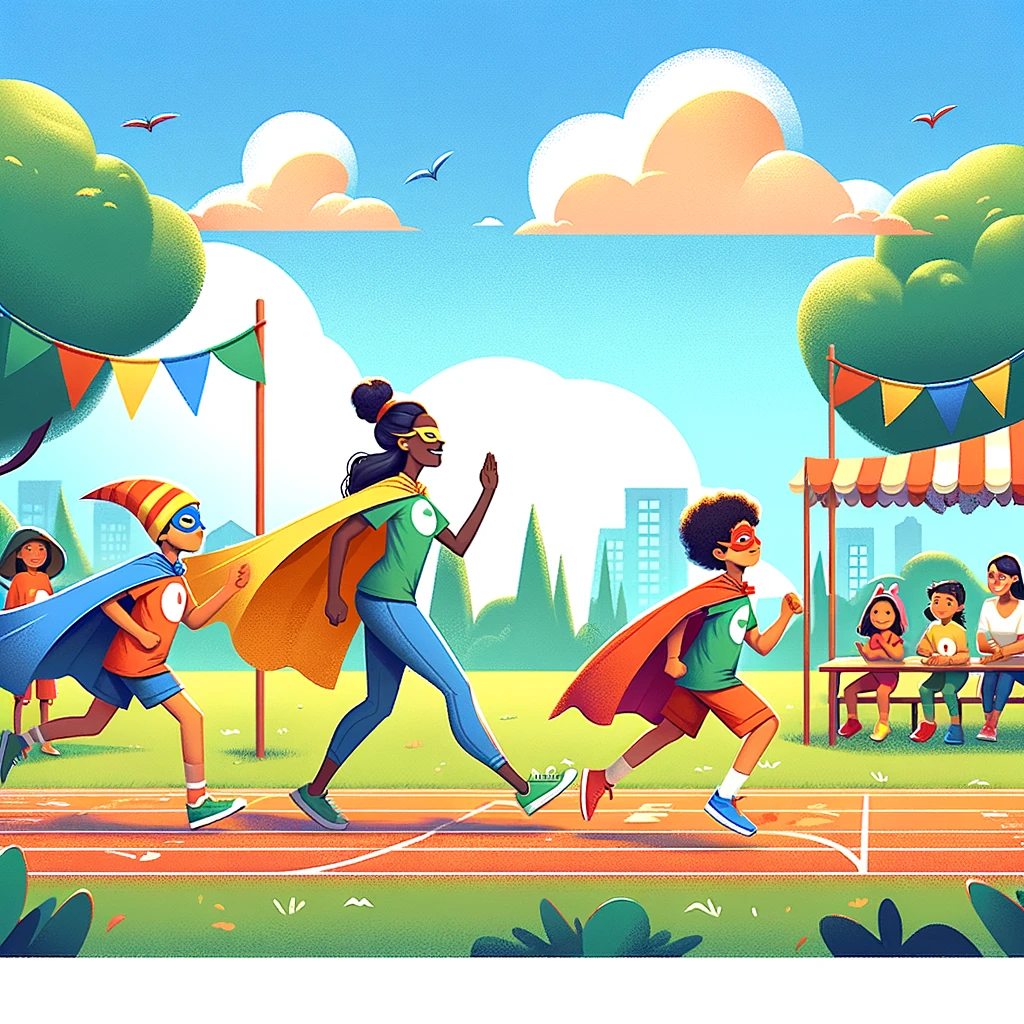
Two piles of enormous clothes, two teams, and the fastest full costume-change in the west — run, dress, pose, undress, run back. Physical comedy as a competitive sport.
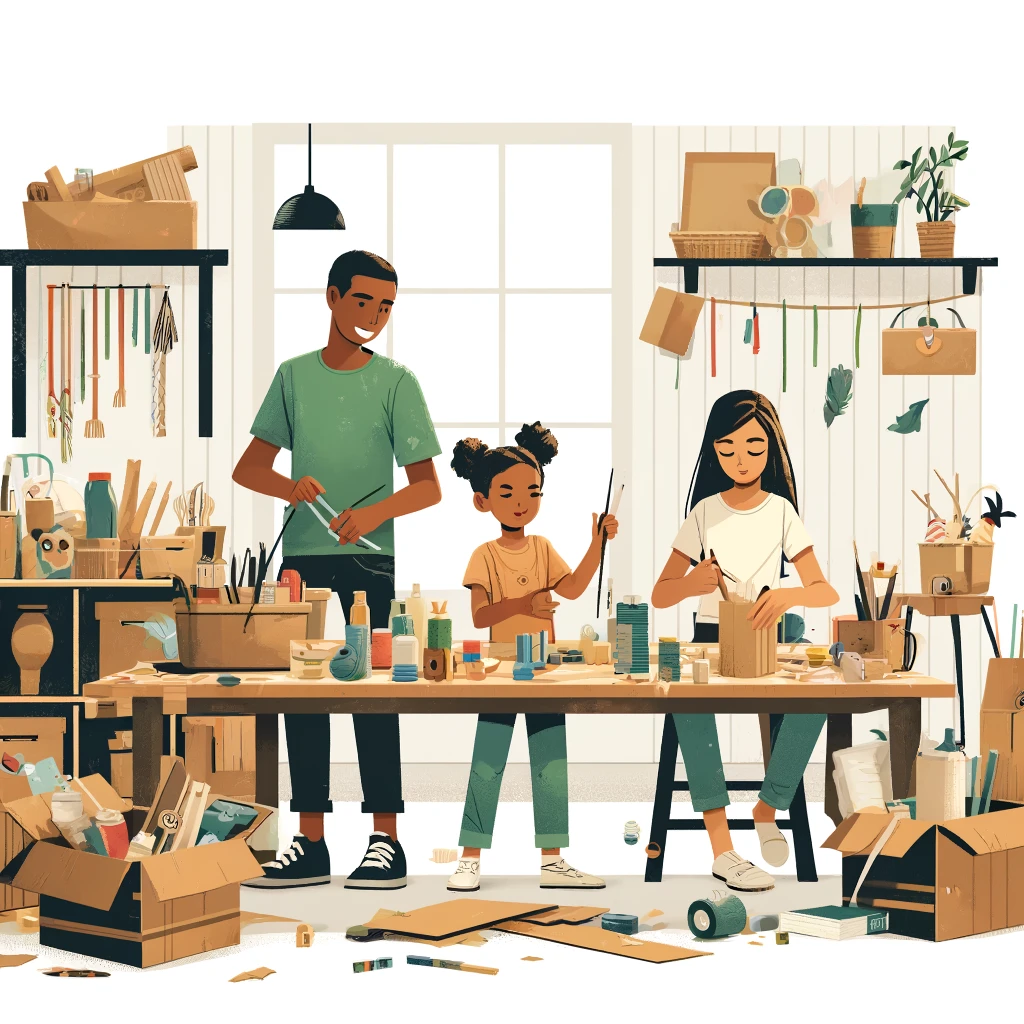
Three makes, zero new materials — seed paper you can actually plant, tin-can lanterns, and jar herb gardens. Crafts that become gifts, and gifts with a straight face about the planet.
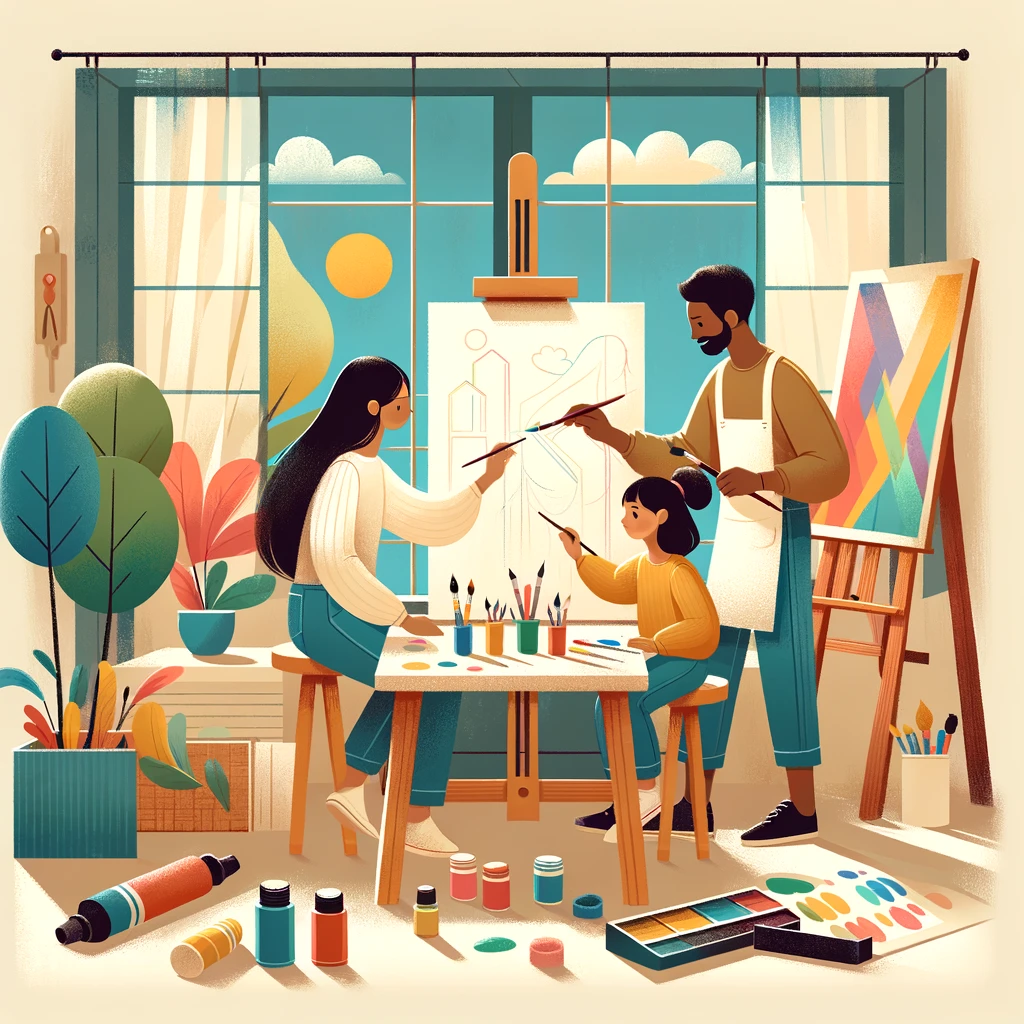
One huge canvas, one theme, everybody paints — including the grown-ups, especially the reluctant ones. The finished thing gets framed and hung where guests will ask about it.

Not a bike ride — an expedition. A destination worth pedalling to, a snack depot halfway, and jobs for every rider. The difference is entirely in the framing, and the framing is free.

A family book club activity with practical prompts, snack-friendly structure and age-flexible reading formats that keep kids engaged.

Cats versus dogs. Breakfast for dinner — always? Should kids set bedtimes? One motion, two teams, strict speaking times and a judge with a spoon gavel. Arguing, but with rules.

Not a workout — a routine — seven moves, one song, same order every time, learned once and run daily. The family fitness habit that takes eight minutes and survives real life.
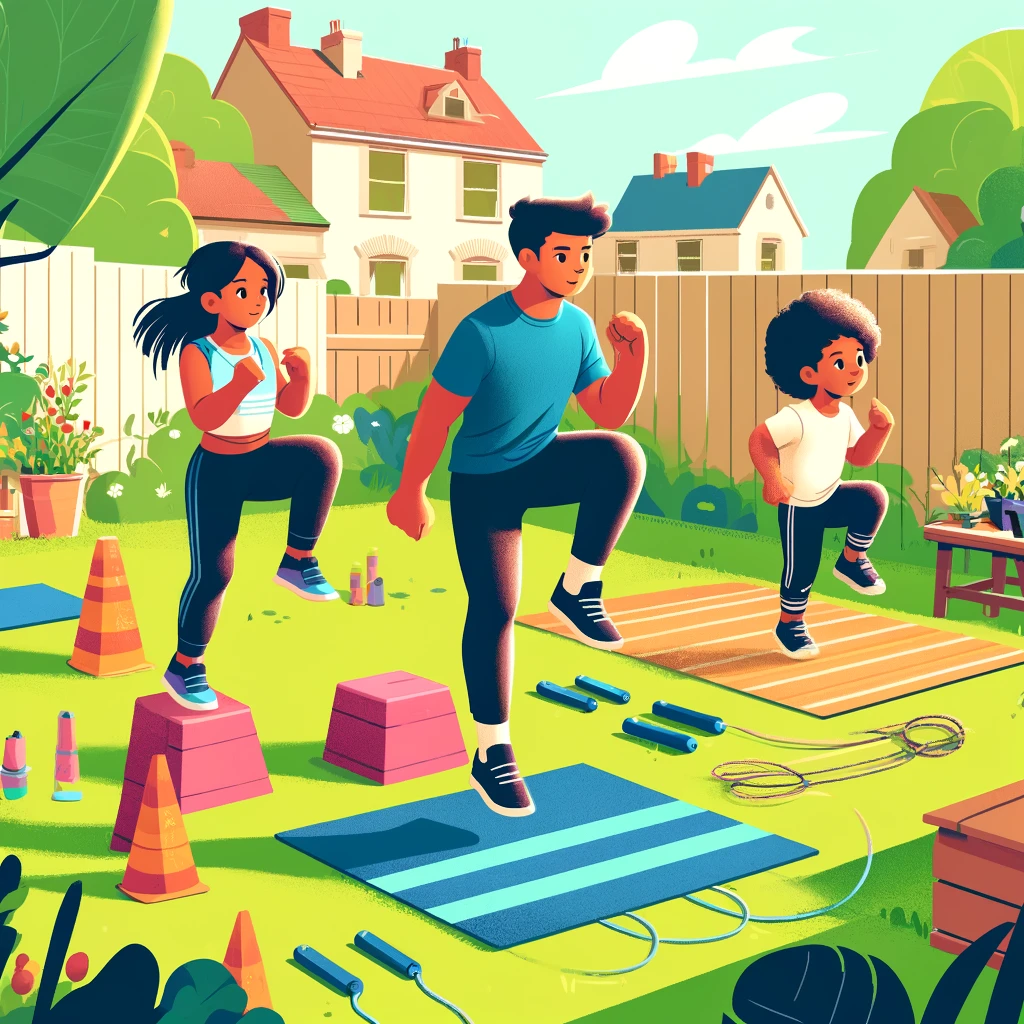
A drill sergeant (aged seven, whistle optional), five stations, and the family run ragged in the best way — the workout that works because somebody small is in charge.
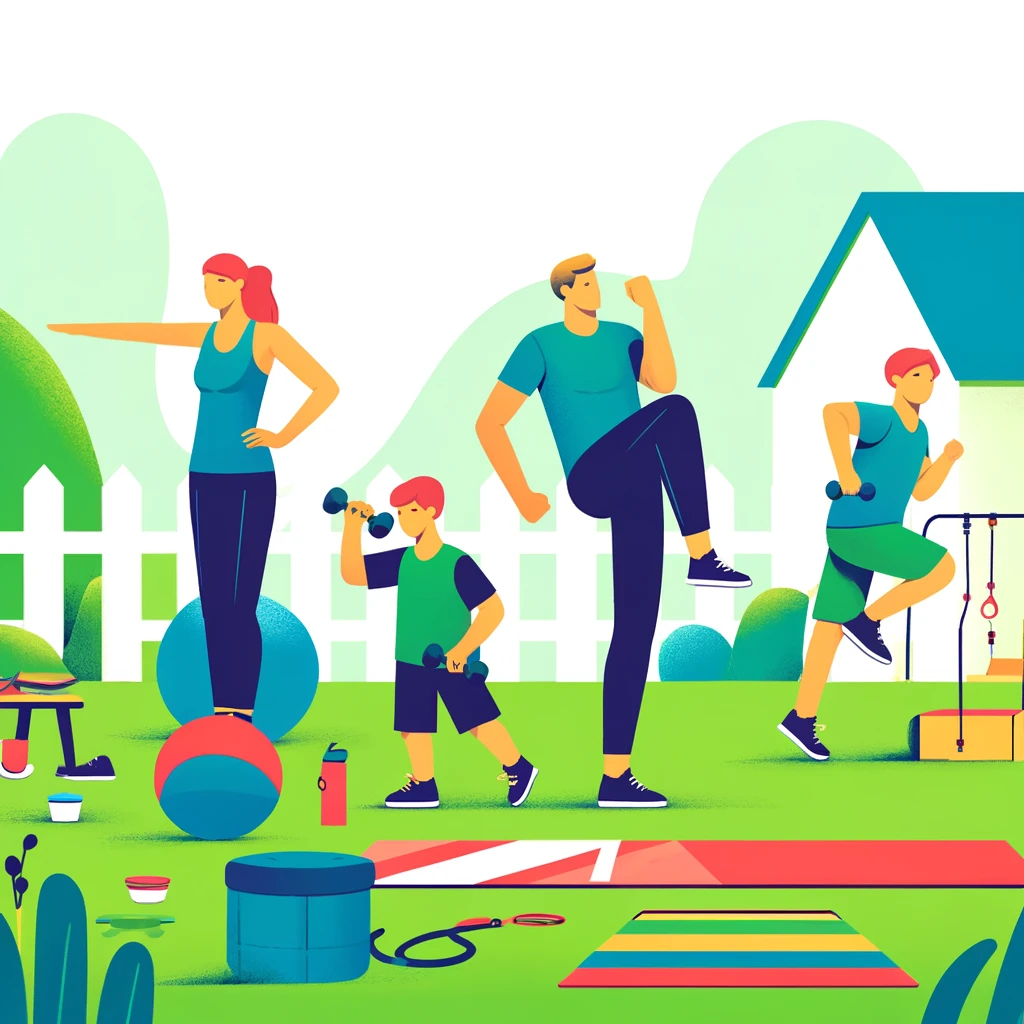
A circuit of stations where the family's records live on a chart — planks, star jumps, the wall-sit of destiny — and everyone races their own last score, not each other.

Ten minutes of actual quiet, engineered for people who find quiet impossible — the teddy breathing anchor, the listening game, and a family that ends the session slower than it started.

Family poetry night ideas with warm-ups, funny prompts and reading rituals that make creative writing feel playful.

The baton is a wooden spoon, the legs are handicapped by age and silliness, and the anchor leg is always a grandparent walking with terrifying calm. Relay day levels everyone.
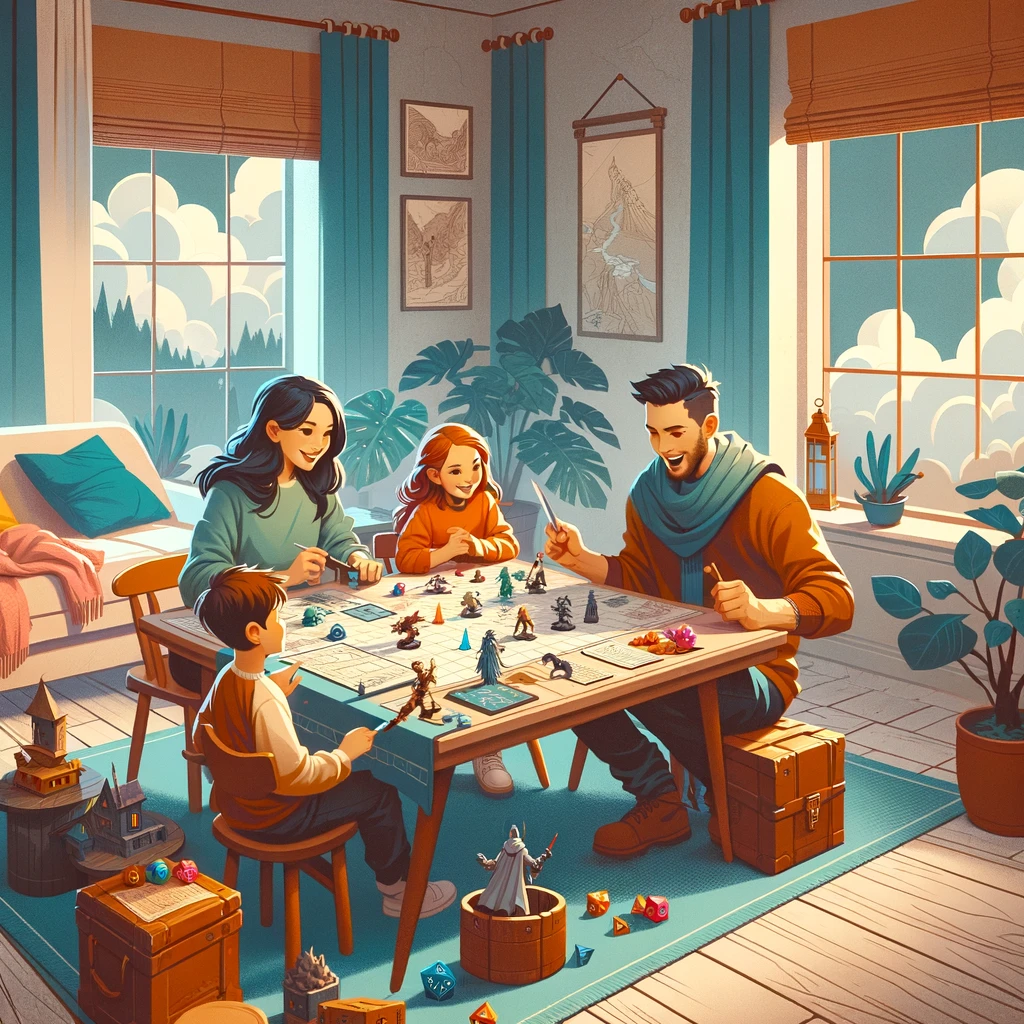
One parent narrates, everyone else plays a hero, and a single dice decides the drama — the pen-and-paper adventure game, stripped to its family essentials. No rulebook required.
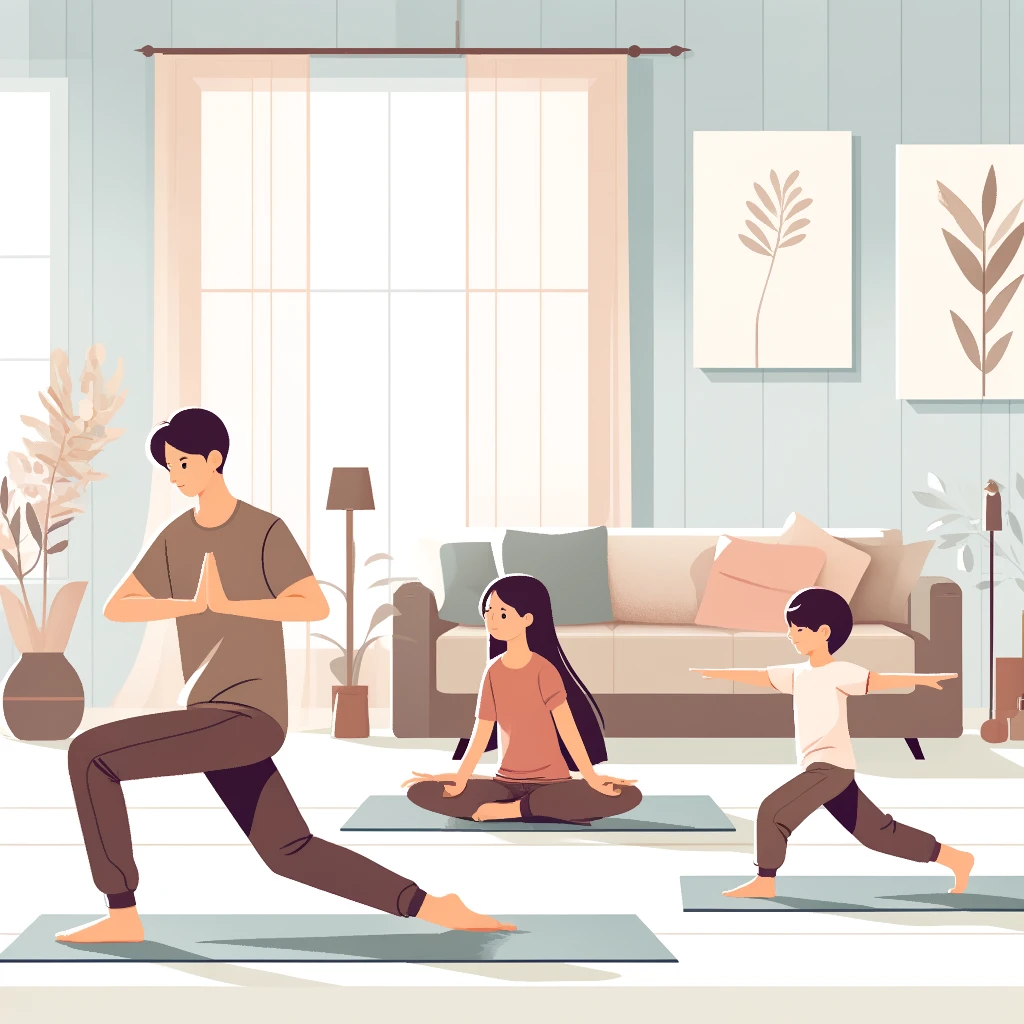
The whole household on mats — partner poses that need two bodies, a family tree that needs everyone, and the collective lie-down at the end that fixes more than it should.
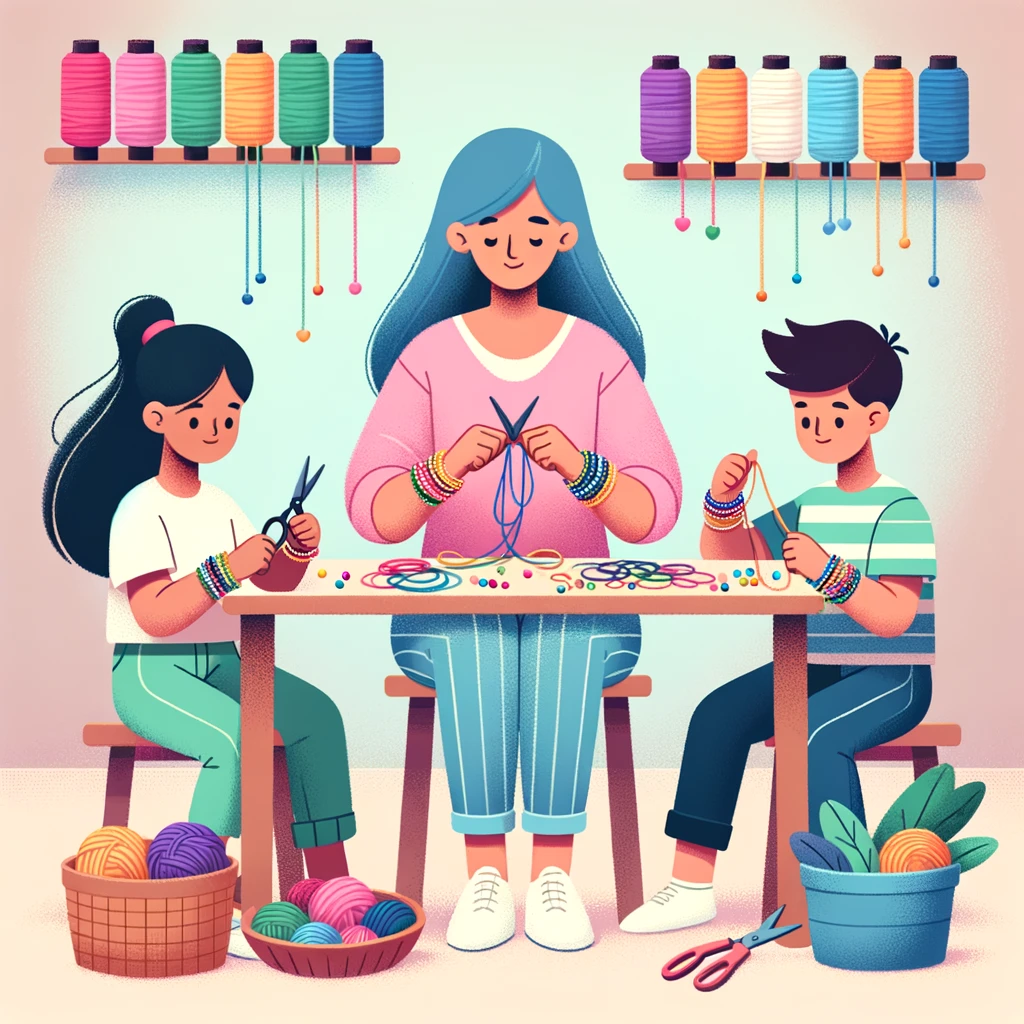
Embroidery thread, a safety pin to a cushion, and the candy-stripe knot that starts every bracelet career — plus the rule that gives the craft its name — the first one you make is given away.

Real treasure, hidden by strangers, findable with the phone in your pocket. The walk the kids won't complain about, because it has coordinates and a prize at the end.
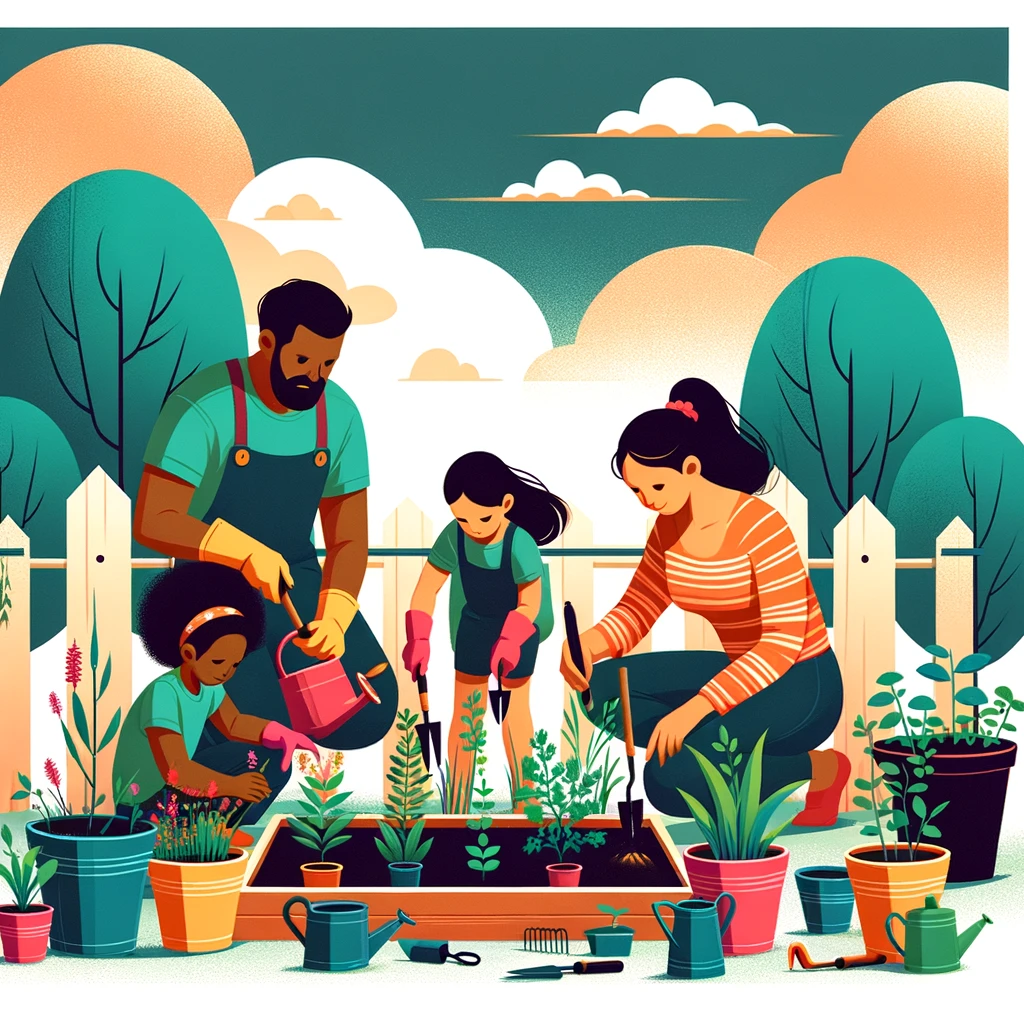
Split one supermarket basil into four plants, add mint that cannot be killed, and give the kids a kitchen crop they'll harvest onto real dinners within the week.
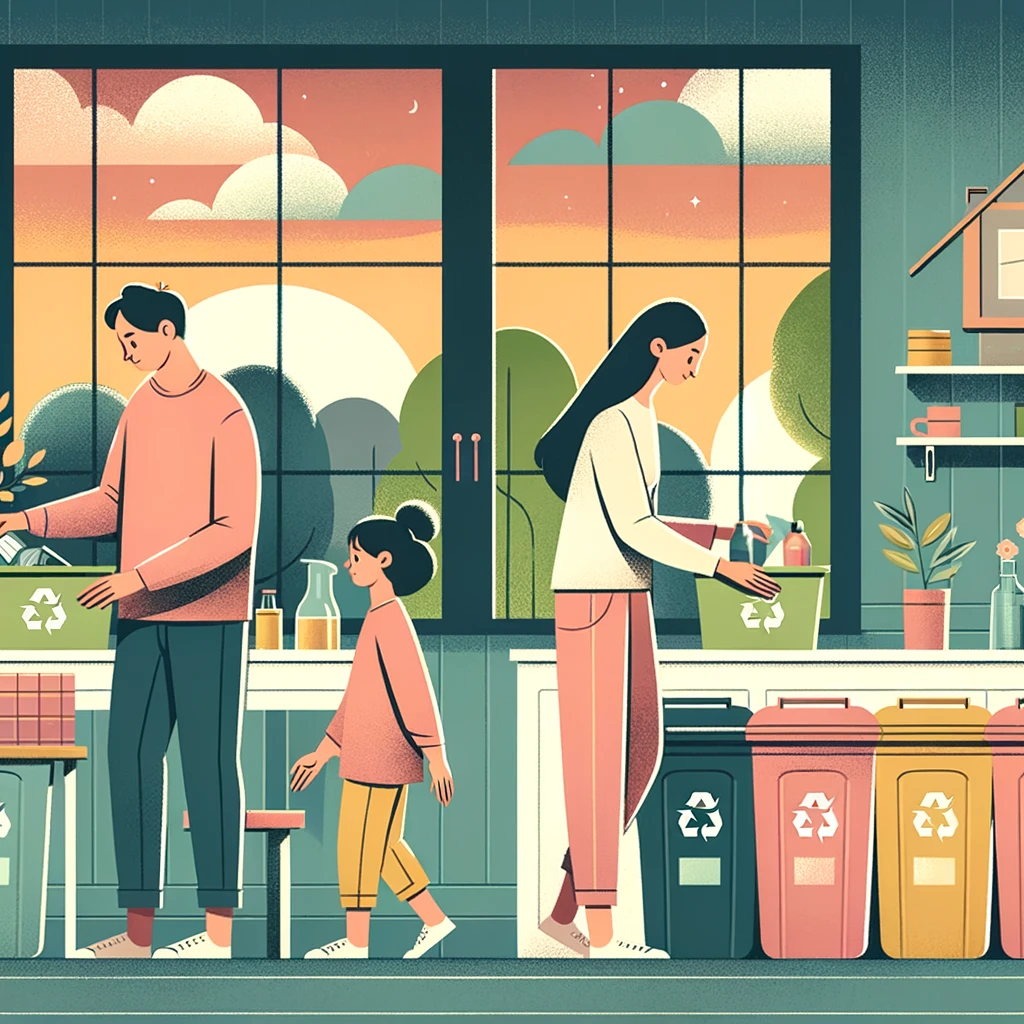
Arm the kids with a clipboard and turn them loose on the house — draught hunts, standby-light stakeouts, a bin audit — then let them fix three things and take credit for the bill.

Bicarb, citric acid and a spritz of witch-hazel — pressed into moulds today, fizzing in the bath tomorrow. The chemistry is real, the results are giftable, and the testing is mandatory.
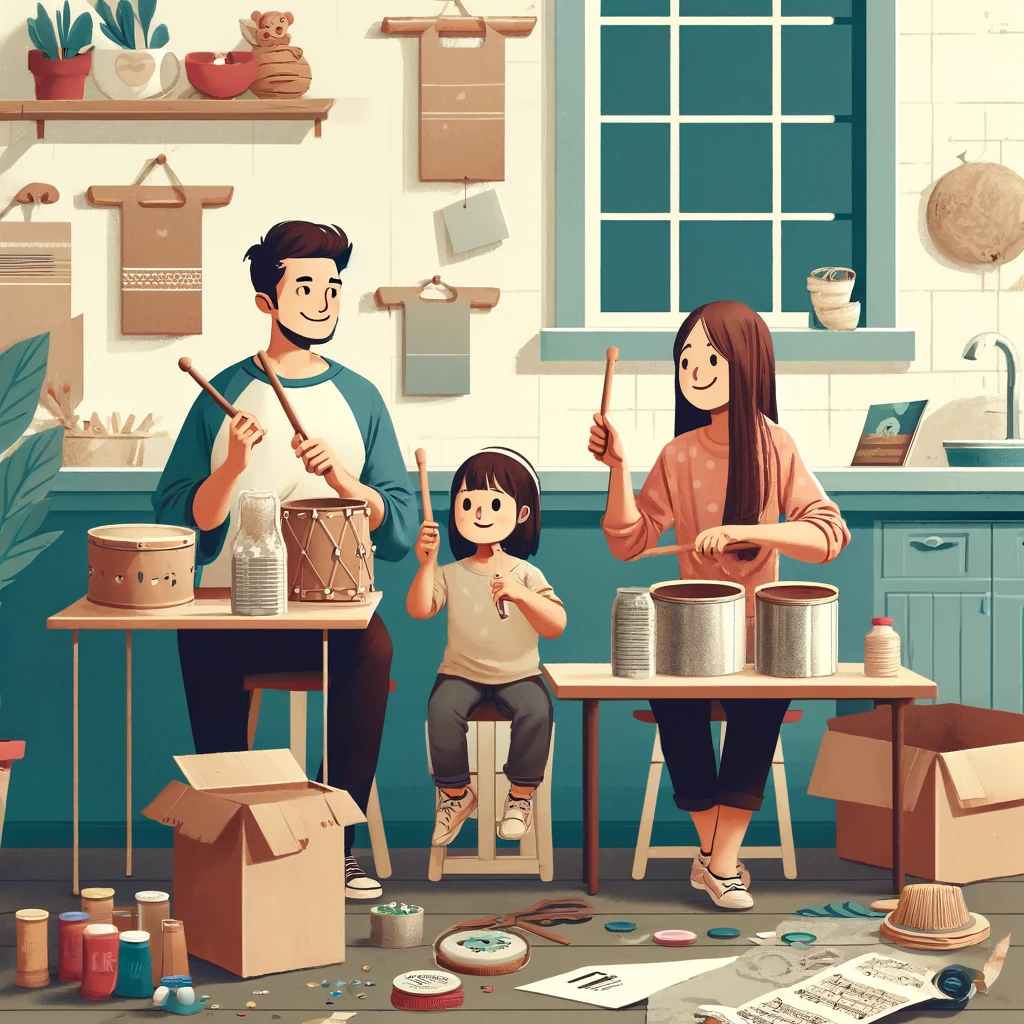
A shoebox guitar with real pitch bend, a bottle xylophone tuned with water, and shakers engineered to taste — instruments that actually play, built from the recycling.
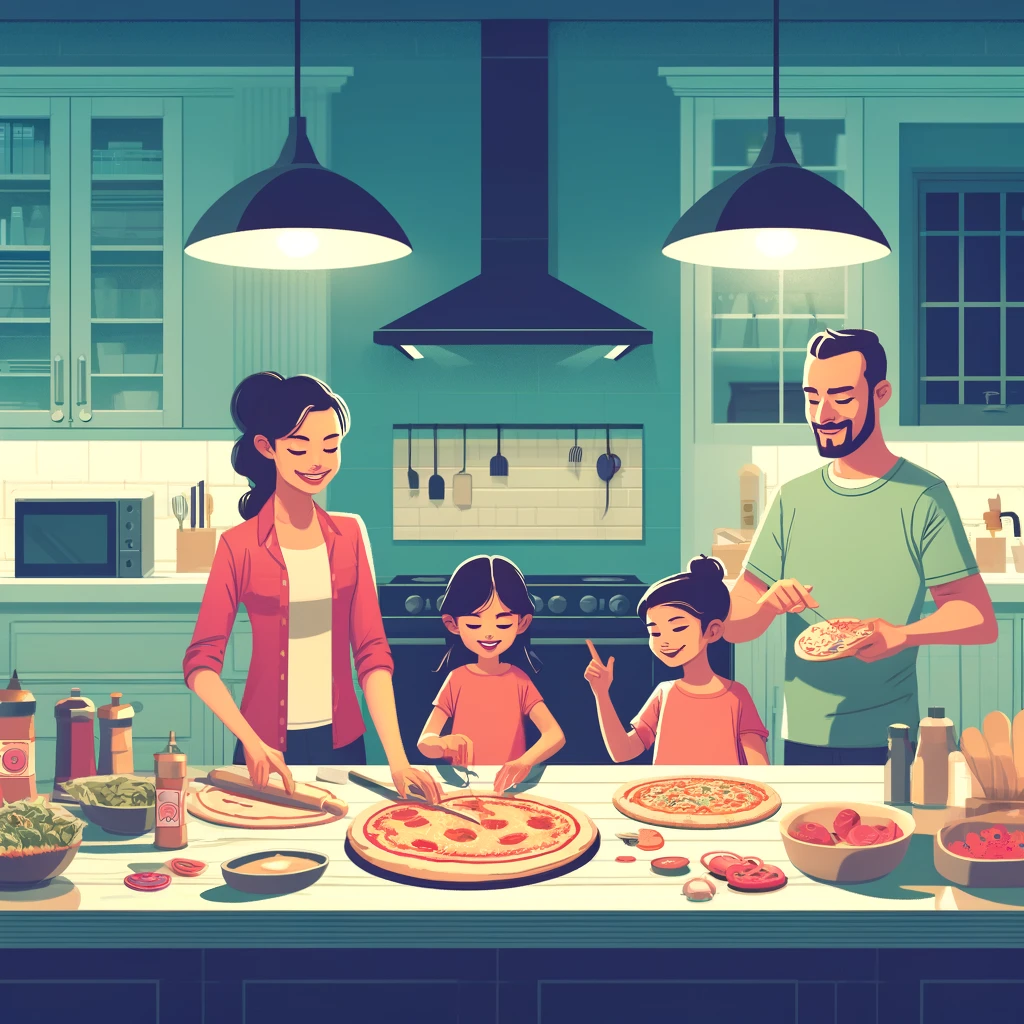
Homemade pizza night with kids — easy dough workflow, topping stations and family roles for a fun dinner activity.
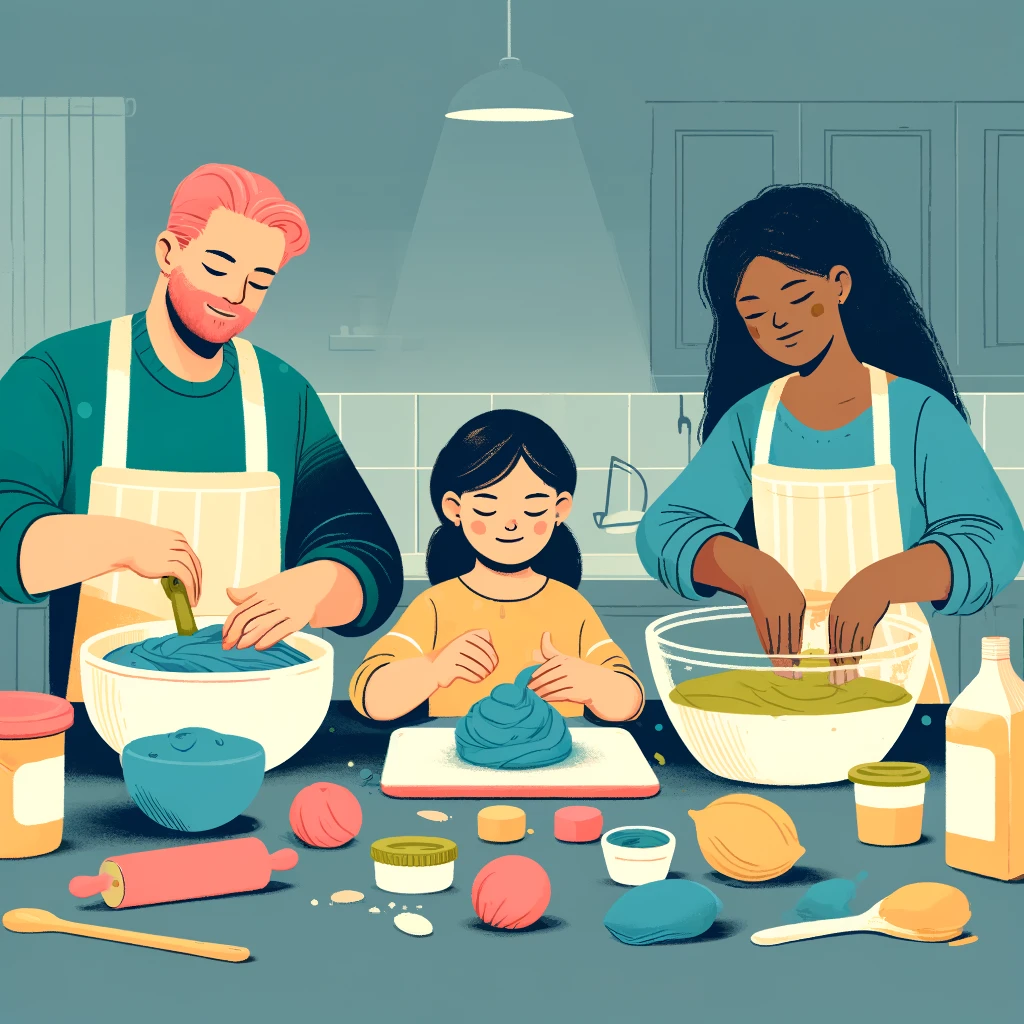
Homemade playdough with kitchen ingredients that stays soft, with quick flavor-safe coloring ideas and storage guidance.
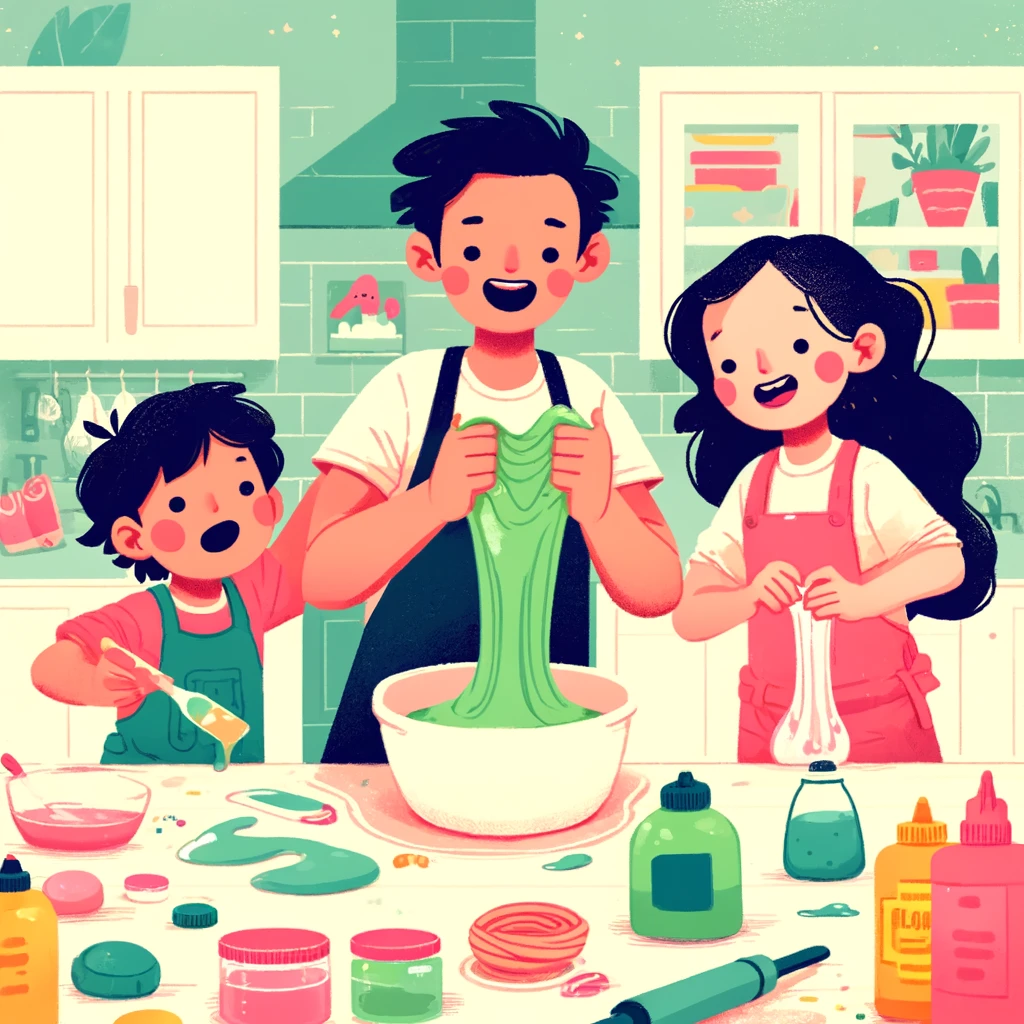
Homemade slime for kids that actually works — a simple, stretchy recipe plus color mixing, texture tests and no-mess storage tips.
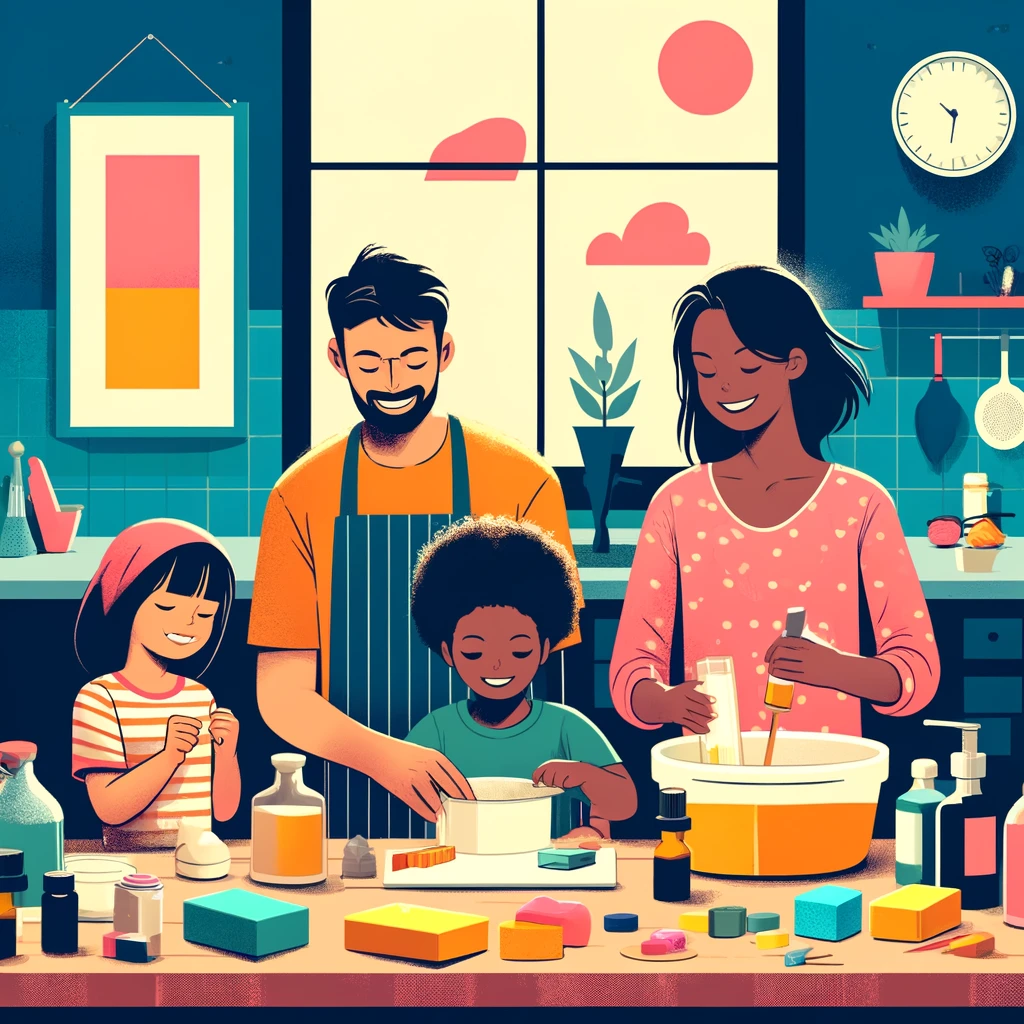
Melt-and-pour soap base, colours, scents and small embedded surprises — real usable soap from the kitchen, no chemistry degree and no caustic anything required.

Paint frozen into cubes the night before becomes tomorrow's melting crayons — colours that blend as they thaw, on paper or the patio. Summer's best mess; winter's best window art.
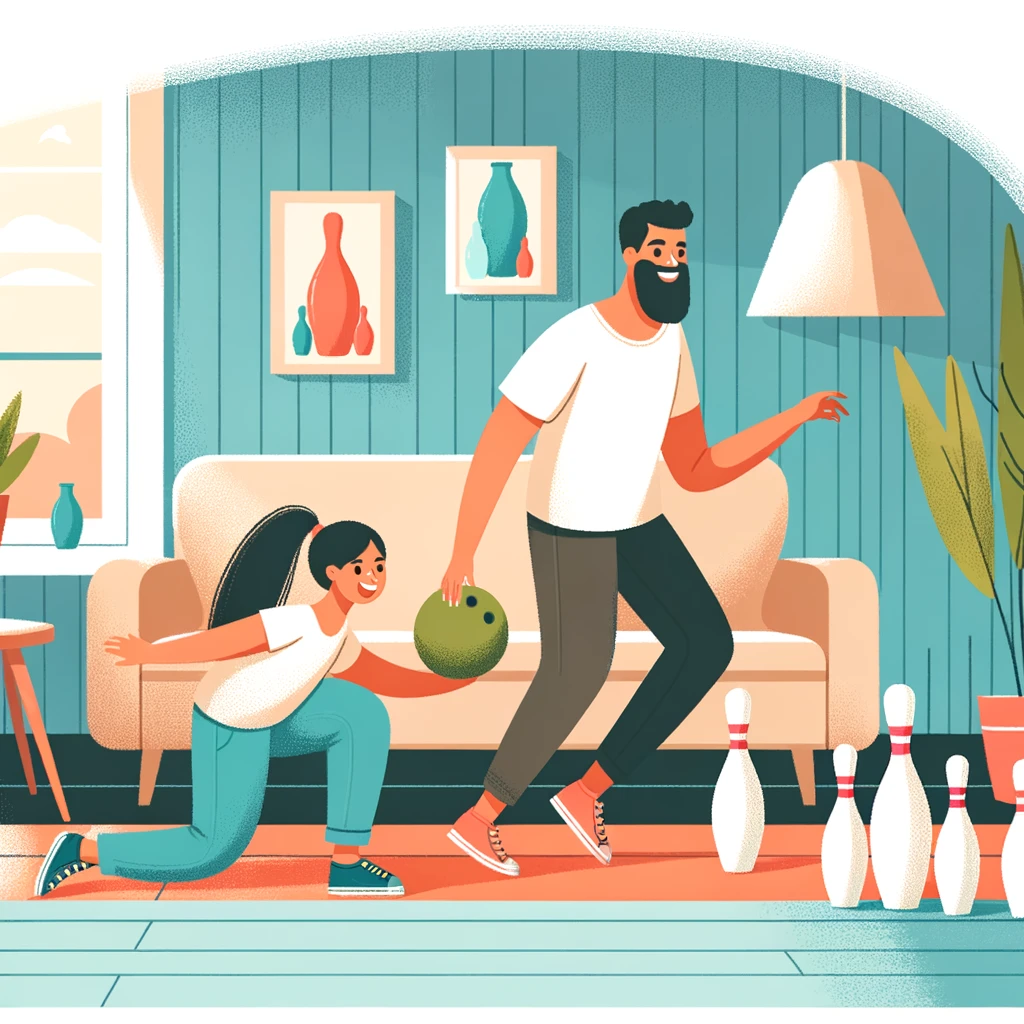
Ten bottles, a tennis ball and the hallway — a bowling alley with pin-setting jobs, a proper scoreboard and league night ambitions. The classic that assembles in five minutes.
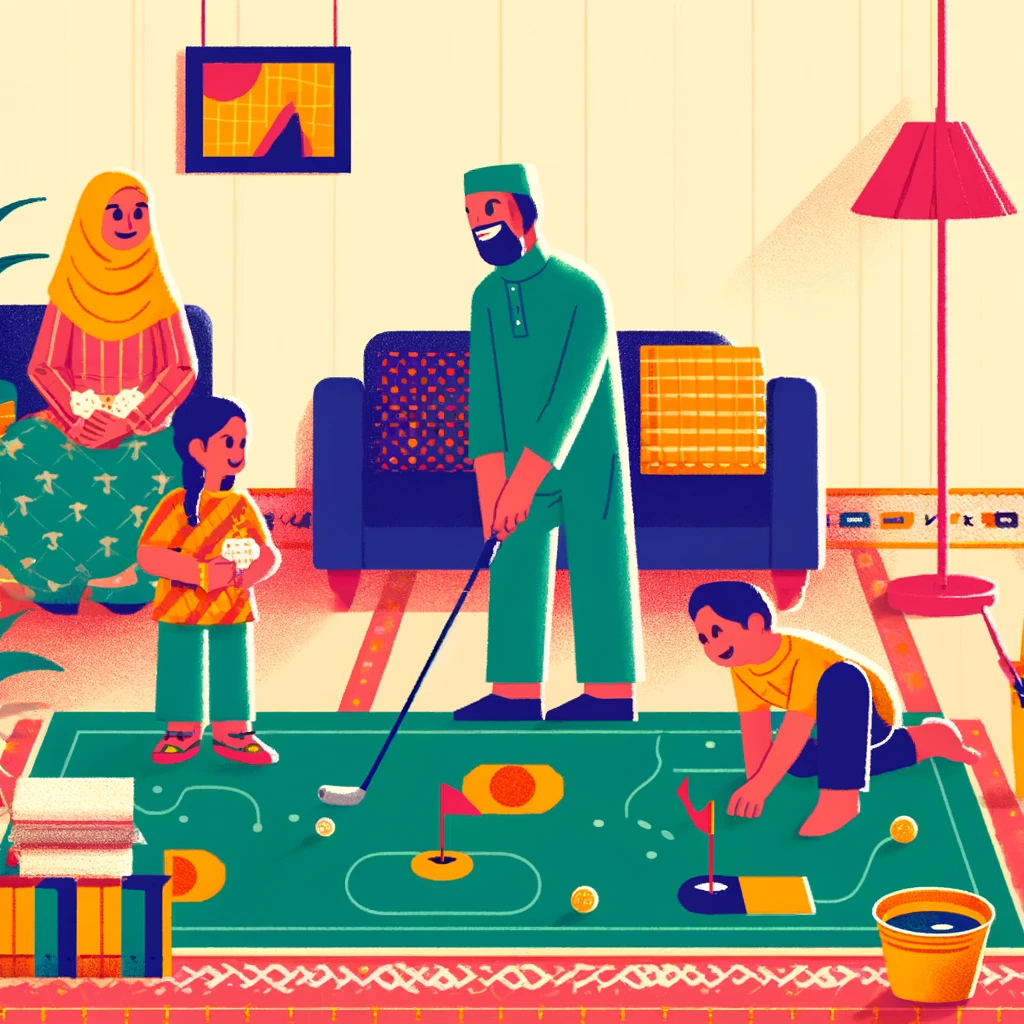
Nine holes through the house — book ramps, tin tunnels, the dreaded sock-pile bunker — with wooden-spoon putters and a scorecard that takes itself entirely seriously.
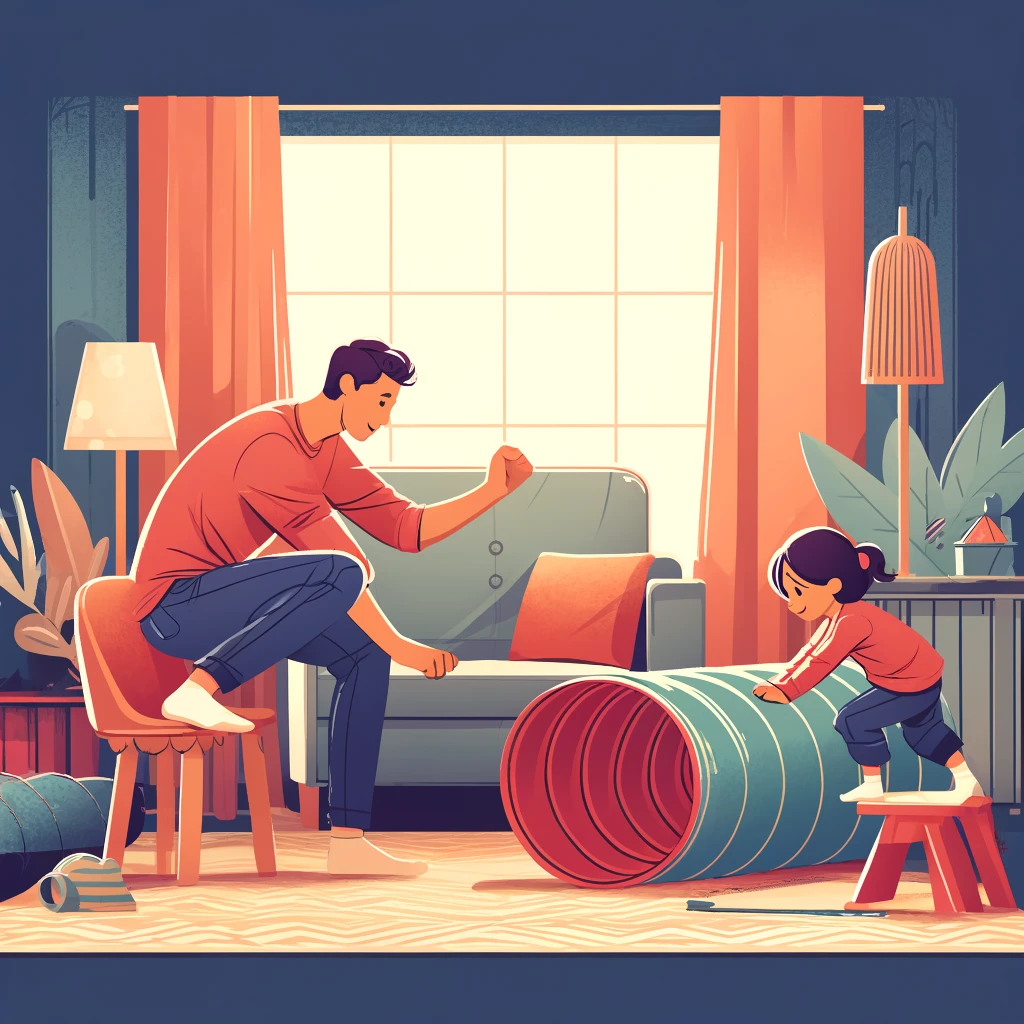
Indoor obstacle course ideas for kids using sofa cushions, tape lines and hallway stations to burn energy safely at home.
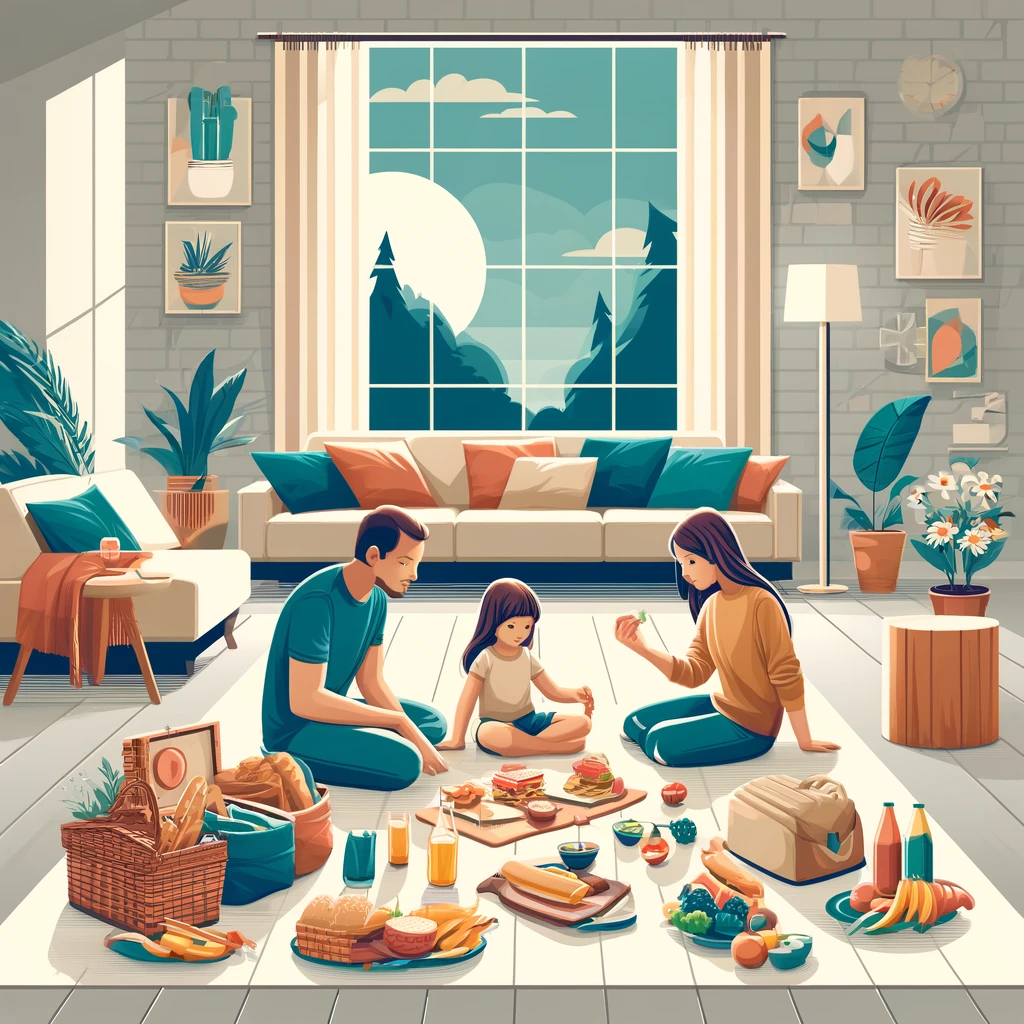
The picnic blanket on the living-room floor, the food in a real basket, ants optional (drawn on paper, hidden by a parent) — the weather-proof picnic that outdoes the park version.

Torch, cardboard, pinholes and the correct star maps — the constellations projected onto the bedroom ceiling, with a narrated show at lights-out. Cloudy nights stop mattering.
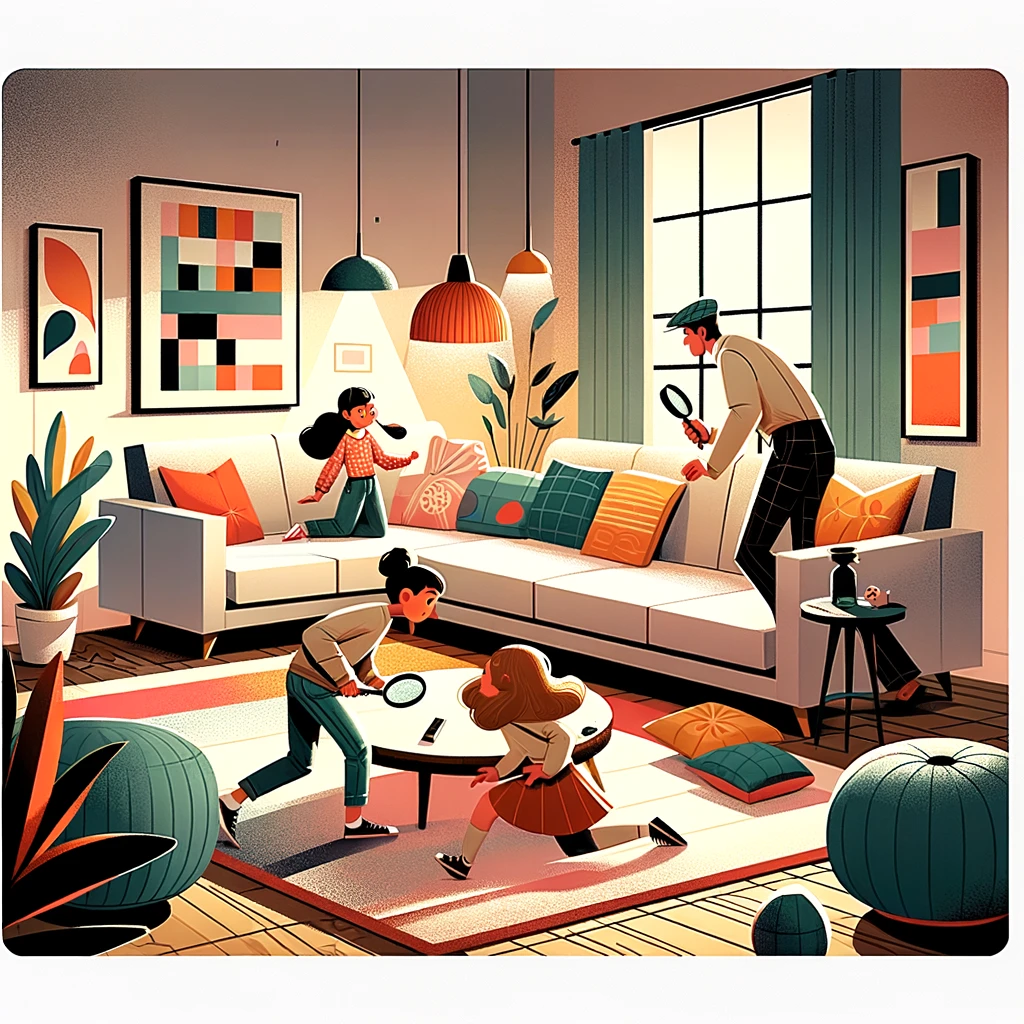
An indoor scavenger hunt for kids with printable-style clue structure, age tweaks and fast setup for rainy days or party afternoons.
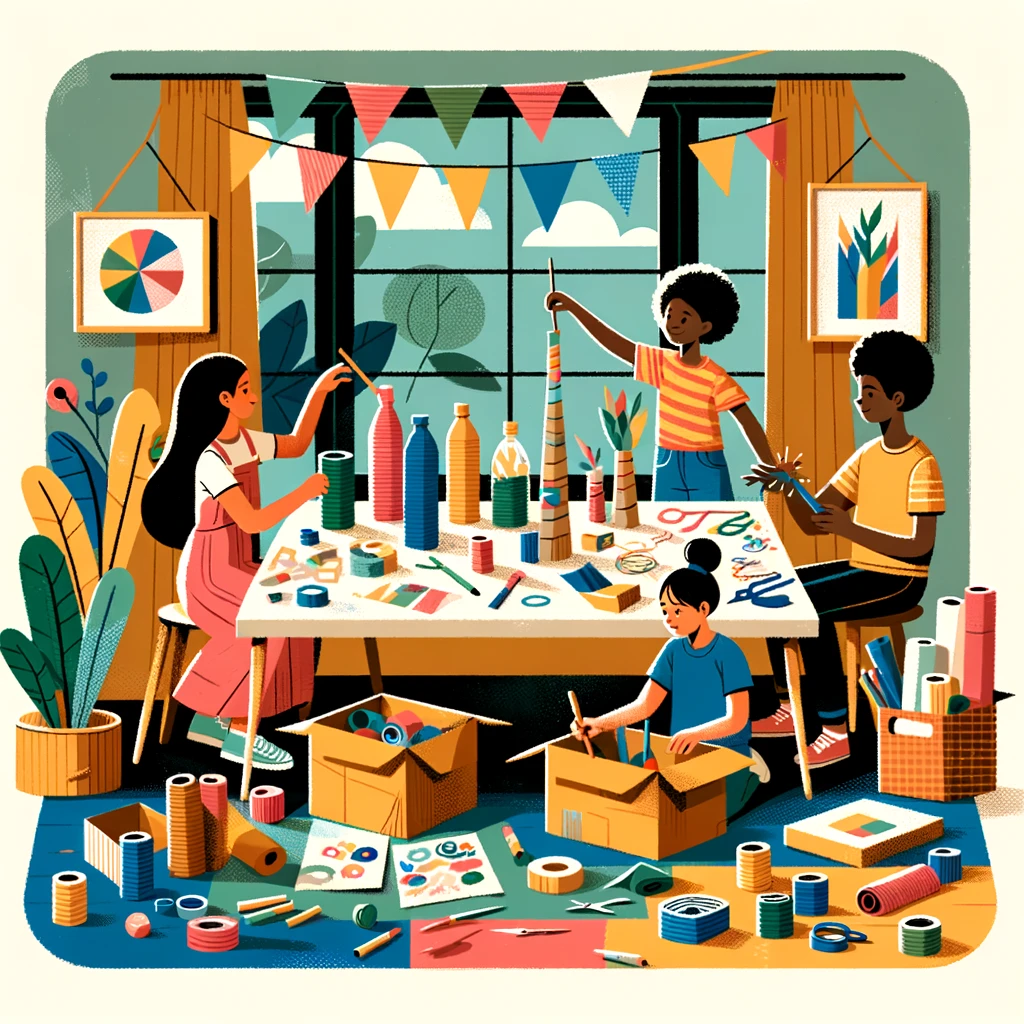
Tip the recycling bin onto the table and build whatever it wants to become — robots, rockets, a marble run, a city for the cat. The classic that never needs buying.
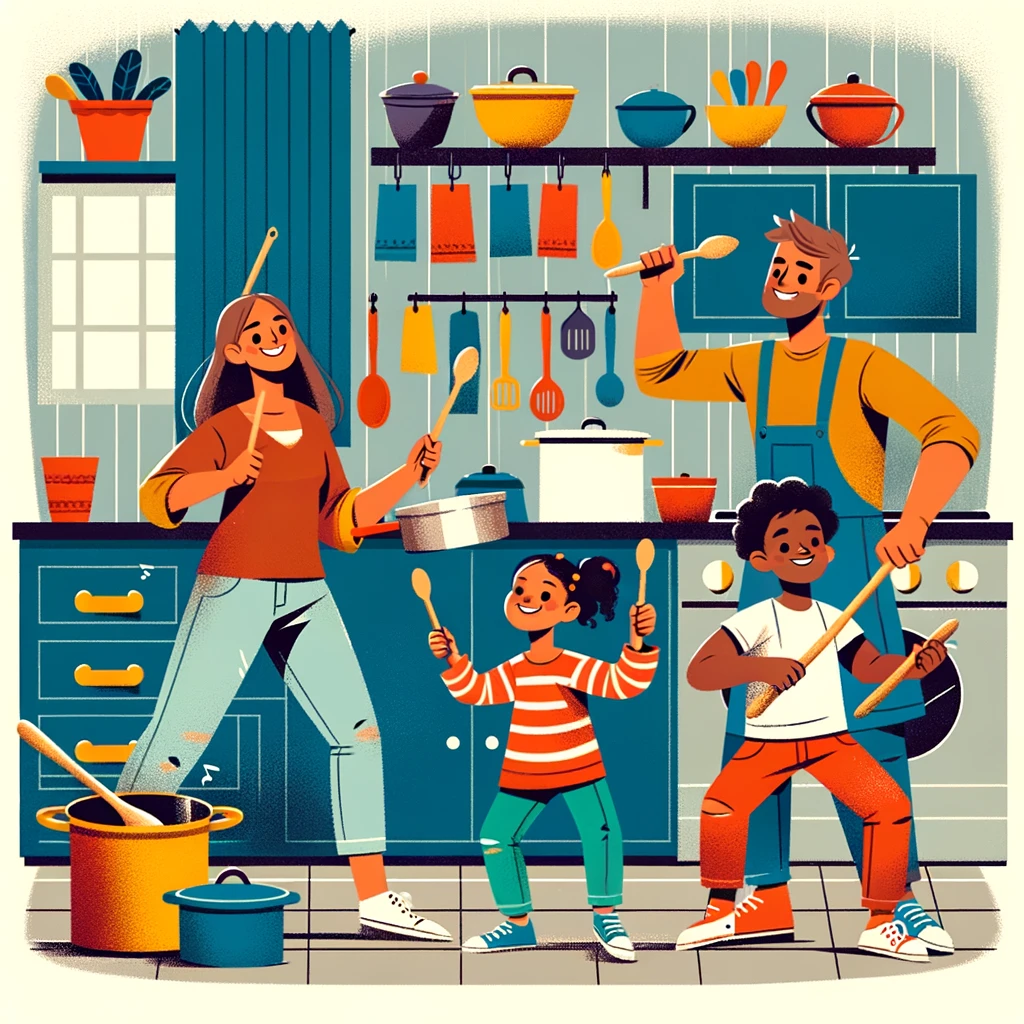
Saucepan drums, a rice-jar shaker section and the wooden-spoon percussion academy — form the band, learn one groove, record one single. Loud by design; brief by mercy.
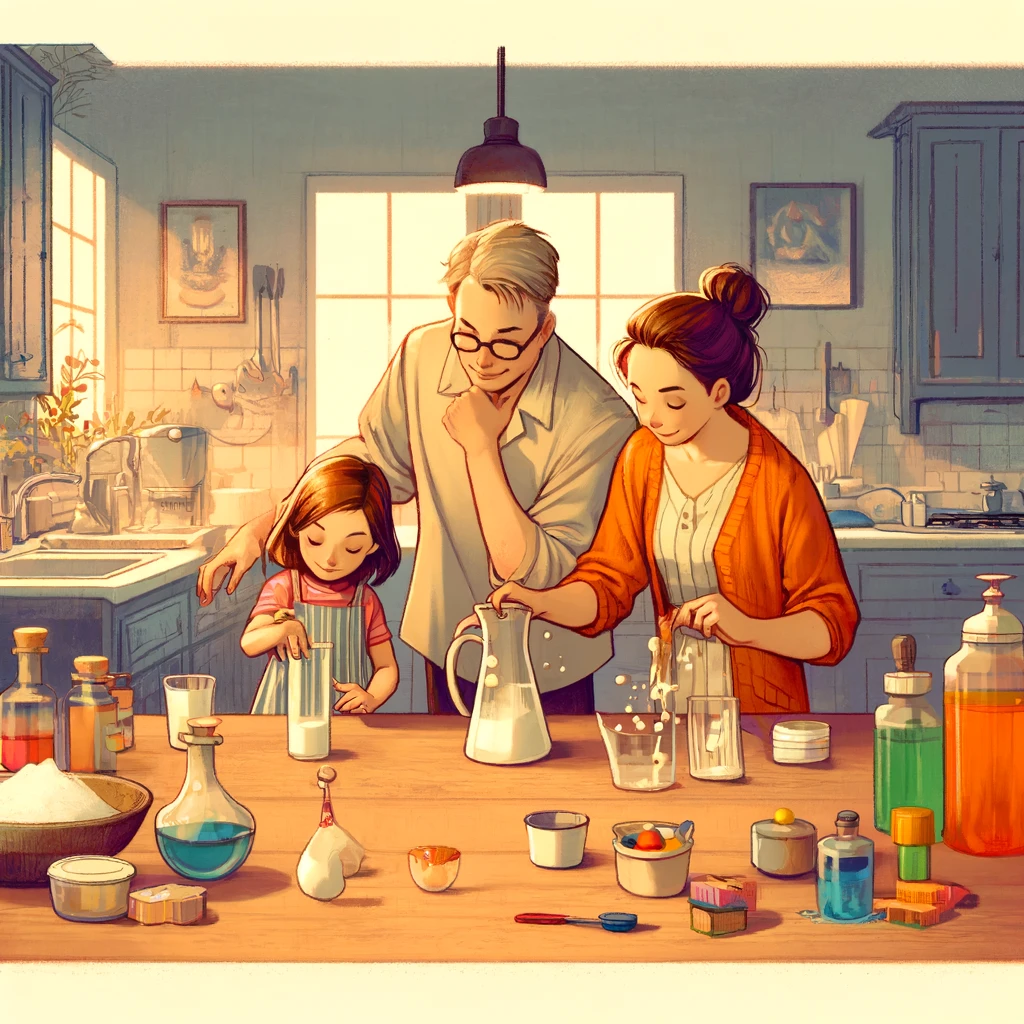
Science experiments for kids at home — volcano fizz, invisible ink, skittle rainbows and the pepper trick in one fun, low-cost hour.
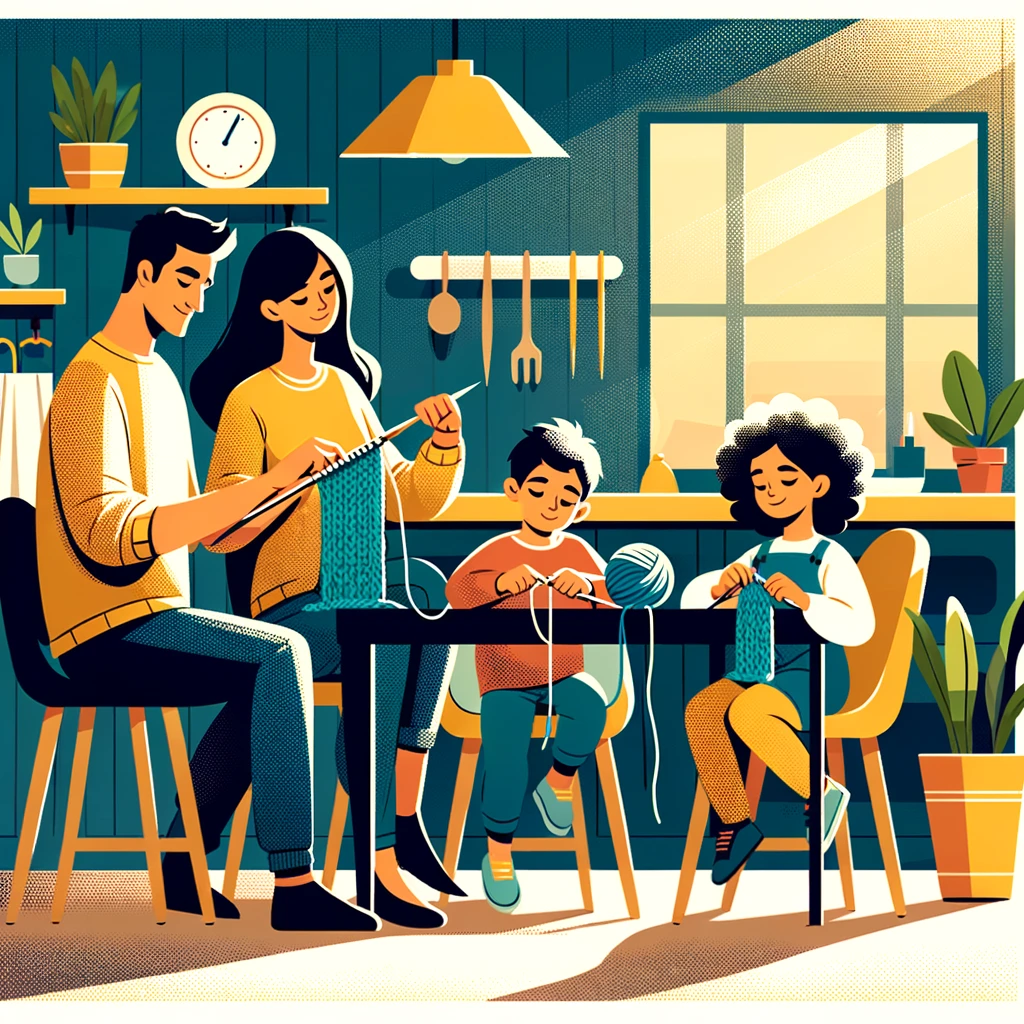
Cast on, learn the one stitch that makes everything, and finish a real scarf for a teddy by teatime. The craft that teaches hands patience — and survives being put down for a week.
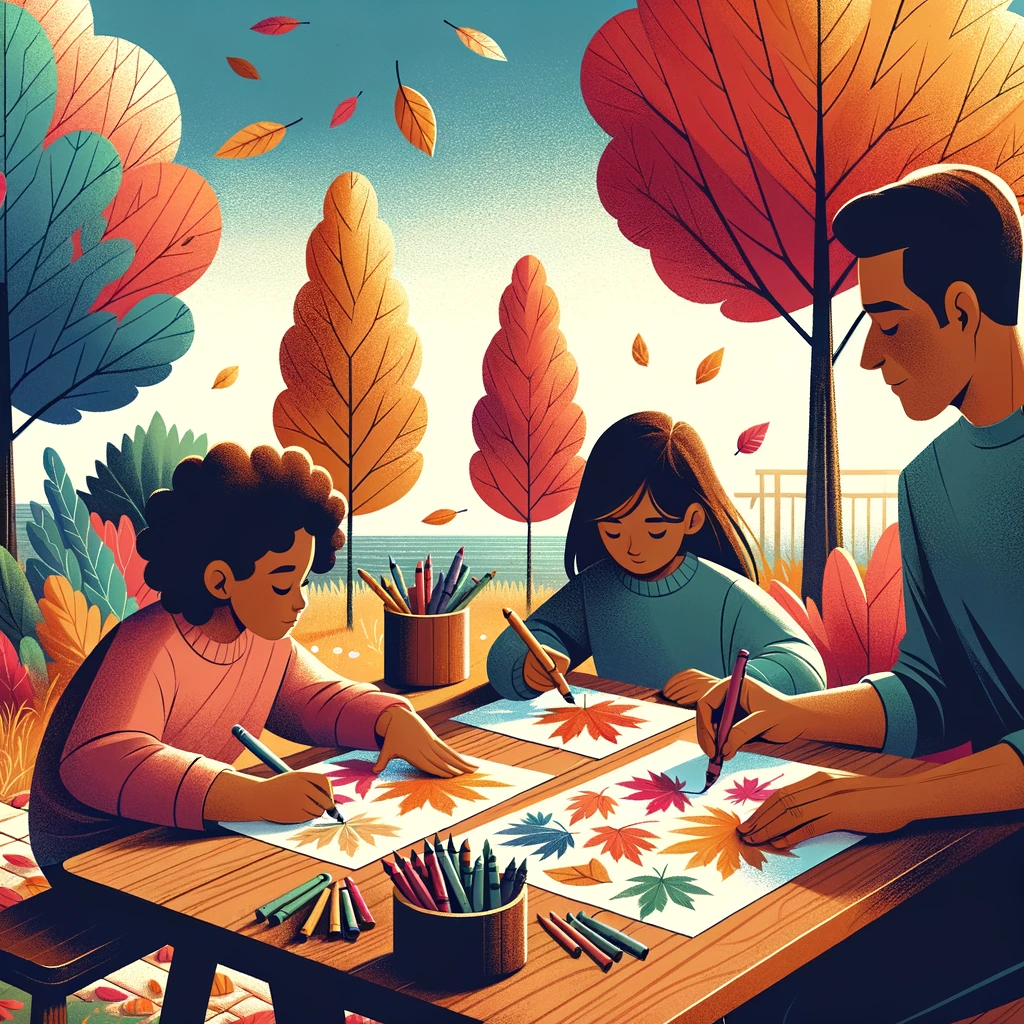
Paper over a leaf, crayon on its side, and the skeleton appears like a developing photograph — the five-minute magic trick that fills an hour once the collecting starts.
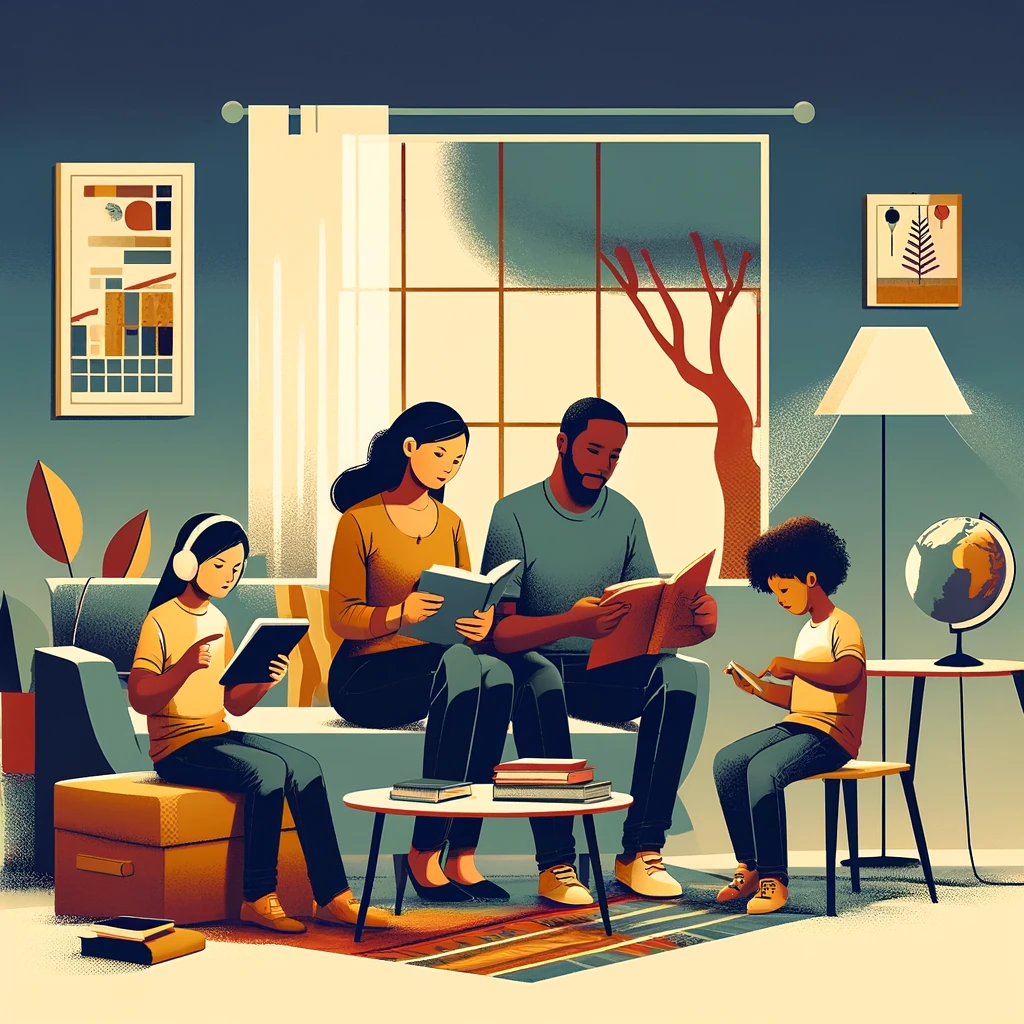
Pick a language as a family and spend an afternoon getting genuinely started — twenty real words, one song, labels on everything, and dinner ordered entirely in the new tongue.
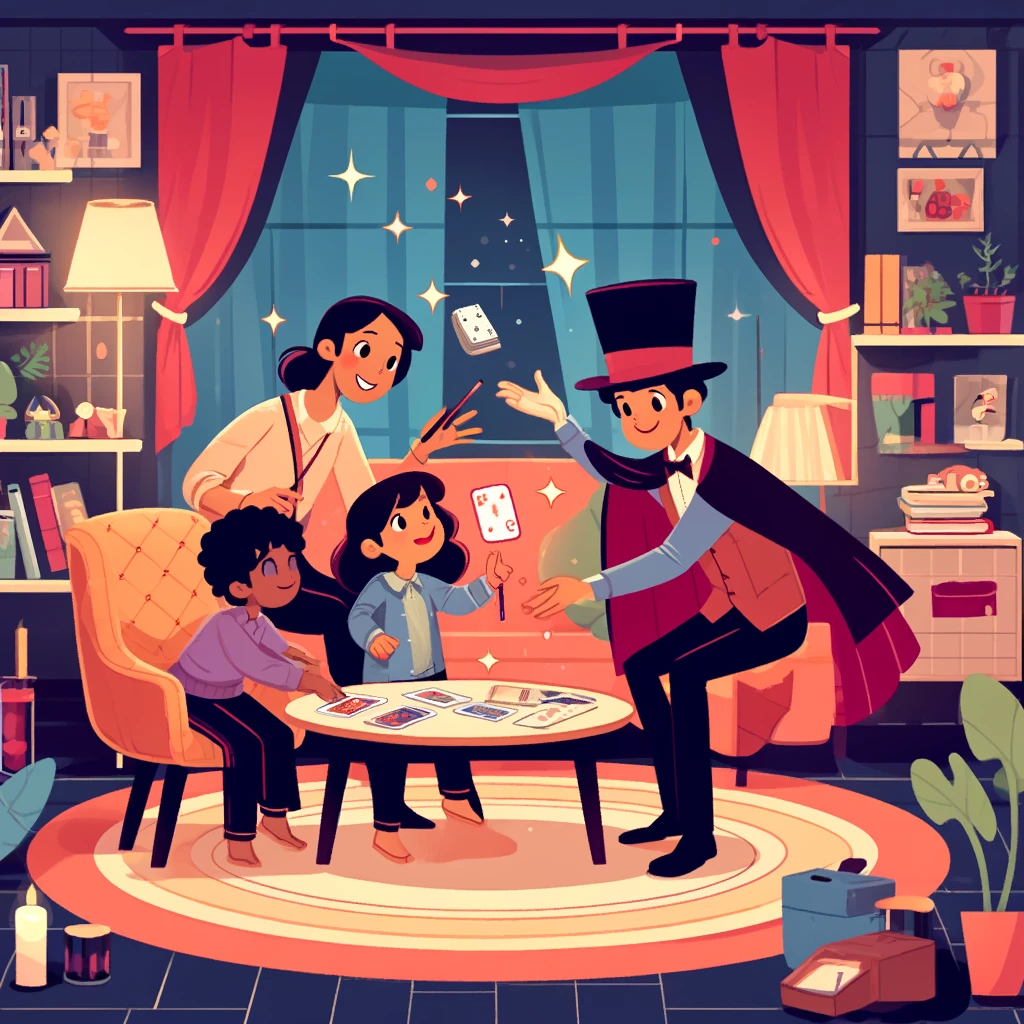
Three tricks that actually fool people, the magician's oath, and an hour of rehearsal before the show — because the secret of magic is that it's a performance skill wearing a puzzle's clothes.
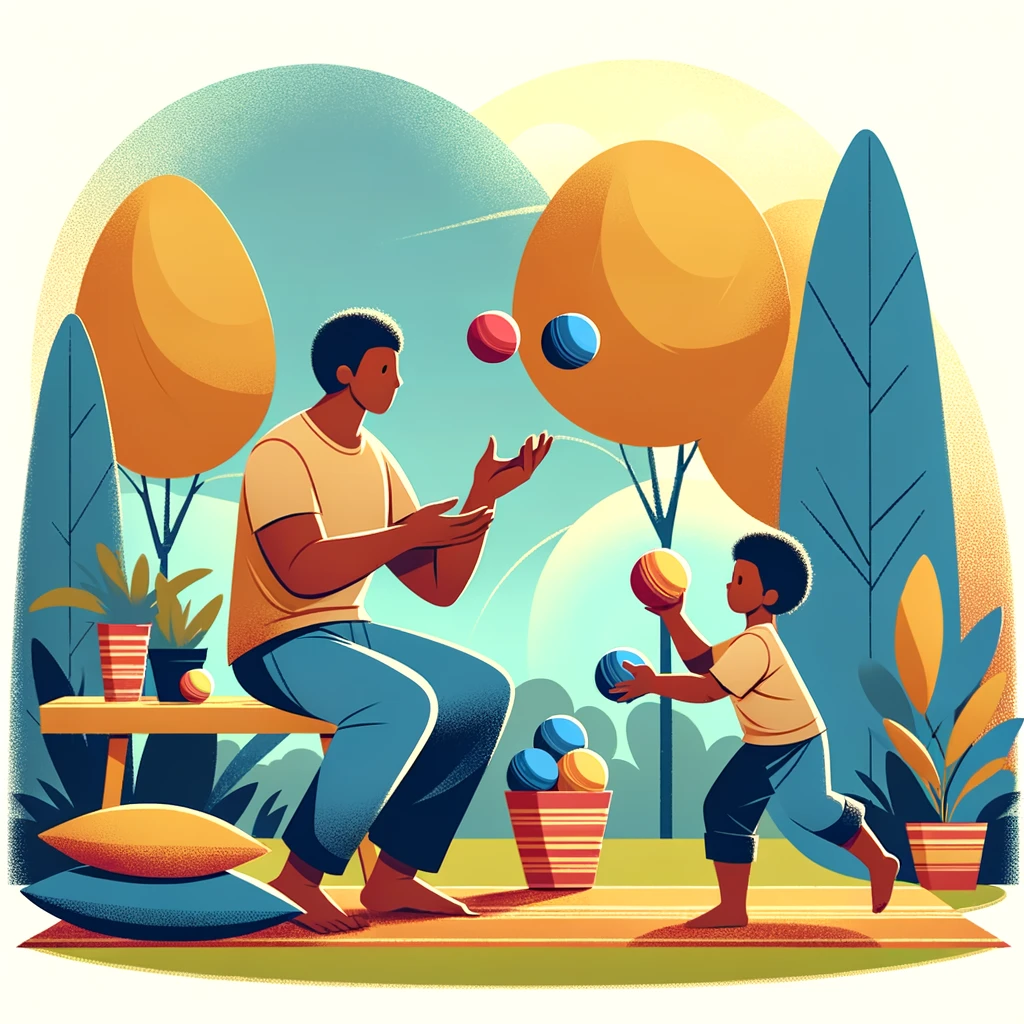
One scarf, then two, then the three-ball flash — juggling taught in the order that actually works, with drops rebranded as reps. A real skill in ninety minutes, kept for life.

Three songs, follow-the-leader moves, and the freeze-frame finale — the zumba-style dance session where nobody's watching and the four-year-old is somehow the instructor.
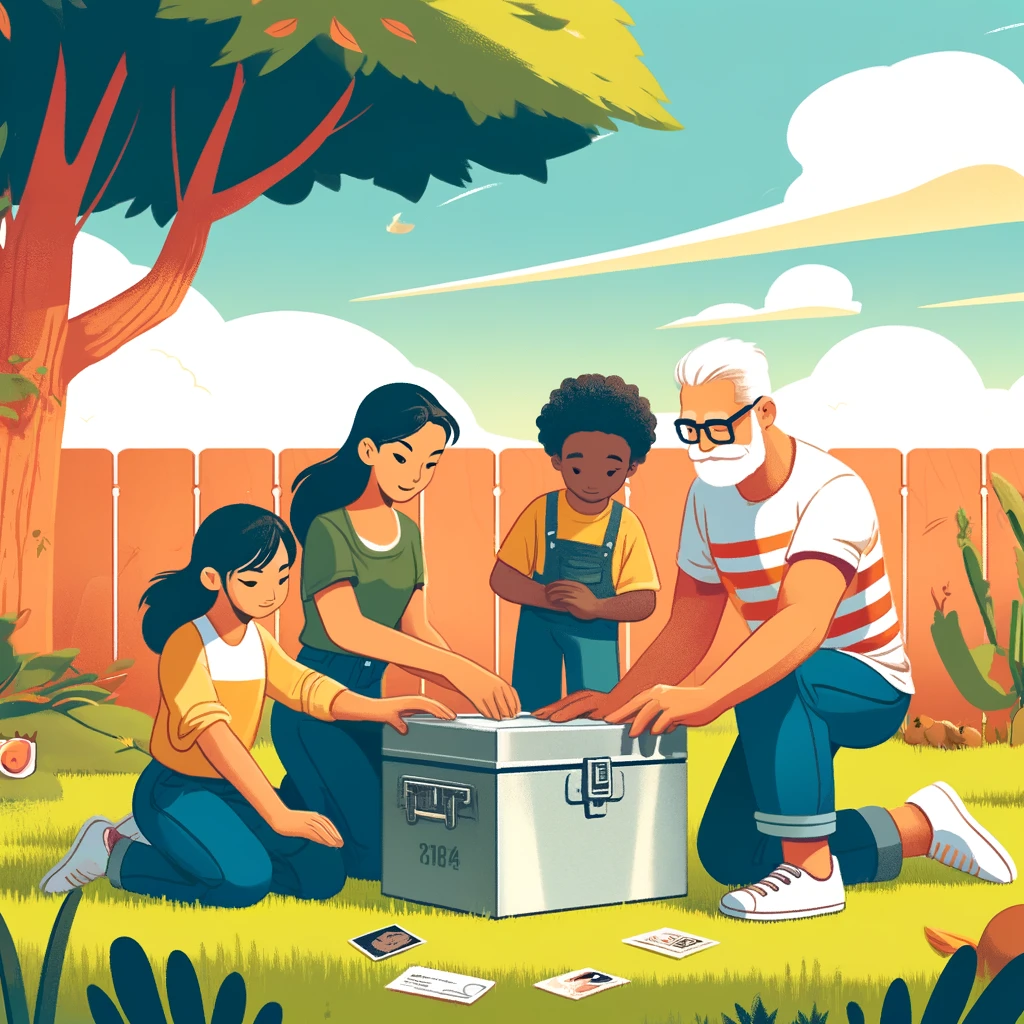
Letters to future selves, one small treasure each, this week's prices and predictions — sealed in a tin for the attic with the opening date written in paint. Set it for one year; the wait is the gift.
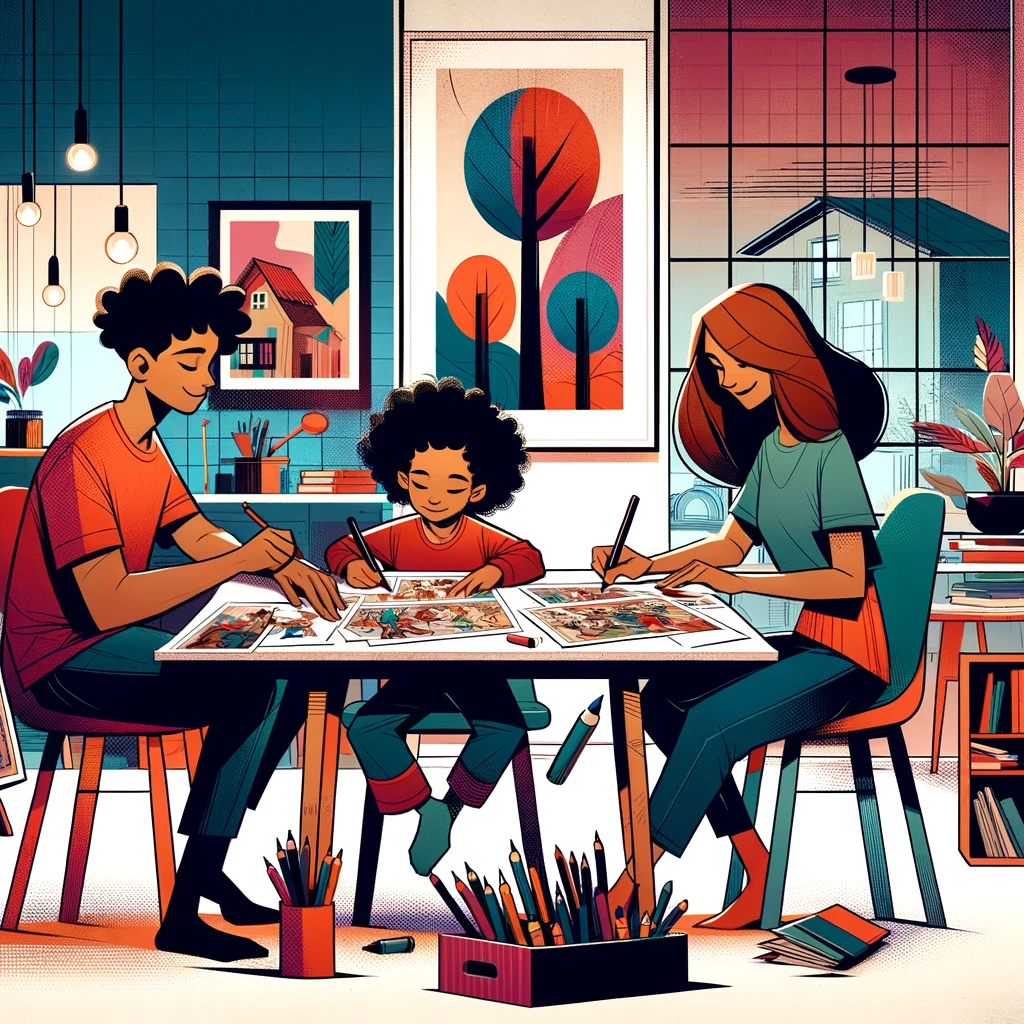
Fold paper into an eight-page comic, learn the three tricks that make drawings tell stories — panels, speech bubbles, motion lines — and publish issue one by teatime.
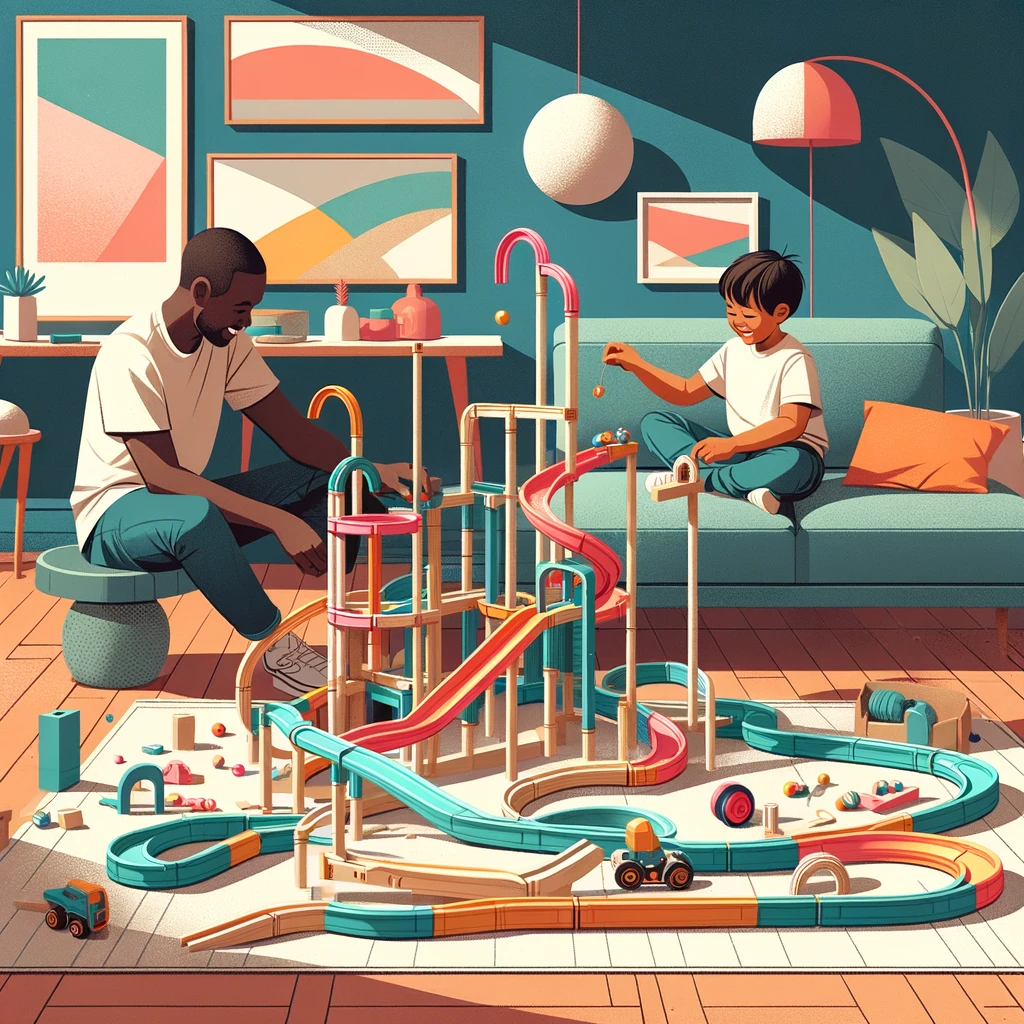
Cardboard tubes, tape and a staircase become a marble's journey across the house. The engineering brief is simple — slower is harder, and the ten-second run is the family Everest.
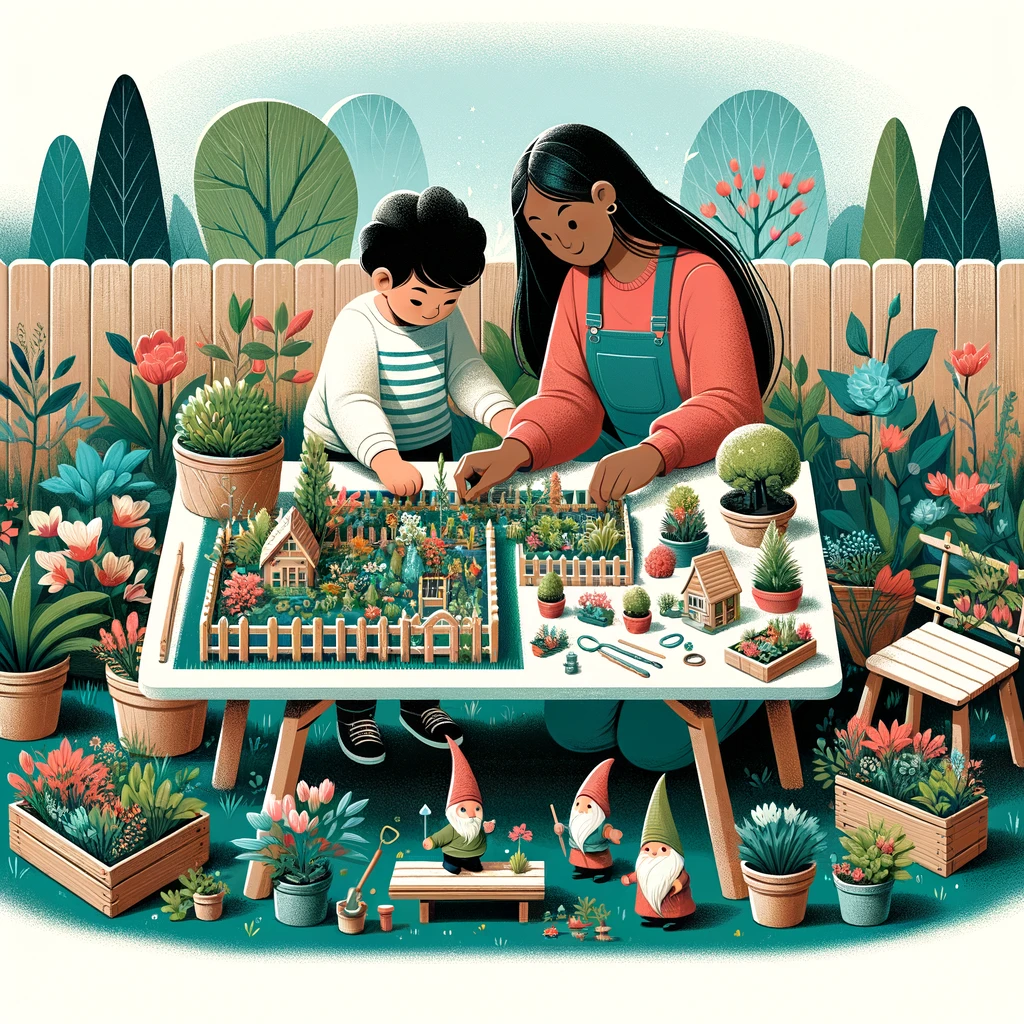
Create a miniature garden with kids using containers, pebbles and tiny plants for a hands-on nature craft that keeps evolving.
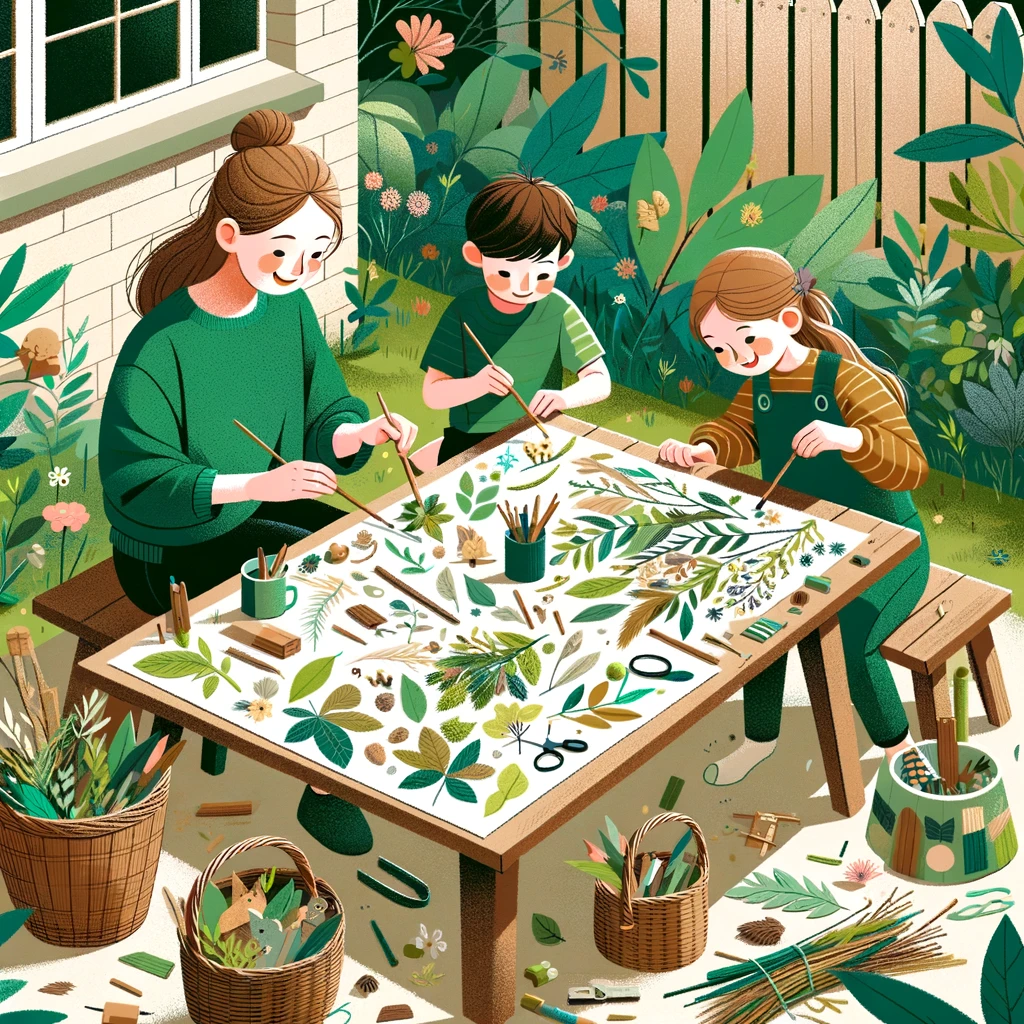
A gathering walk, a table of leaves and petals sorted like treasure, and pictures made from what the season was giving away — the craft where autumn does half the work.

Hand over the phone with two rules — nothing posed, ten keepers only — and walk somewhere green. The editing session over hot chocolate is where snapshots become photographs.
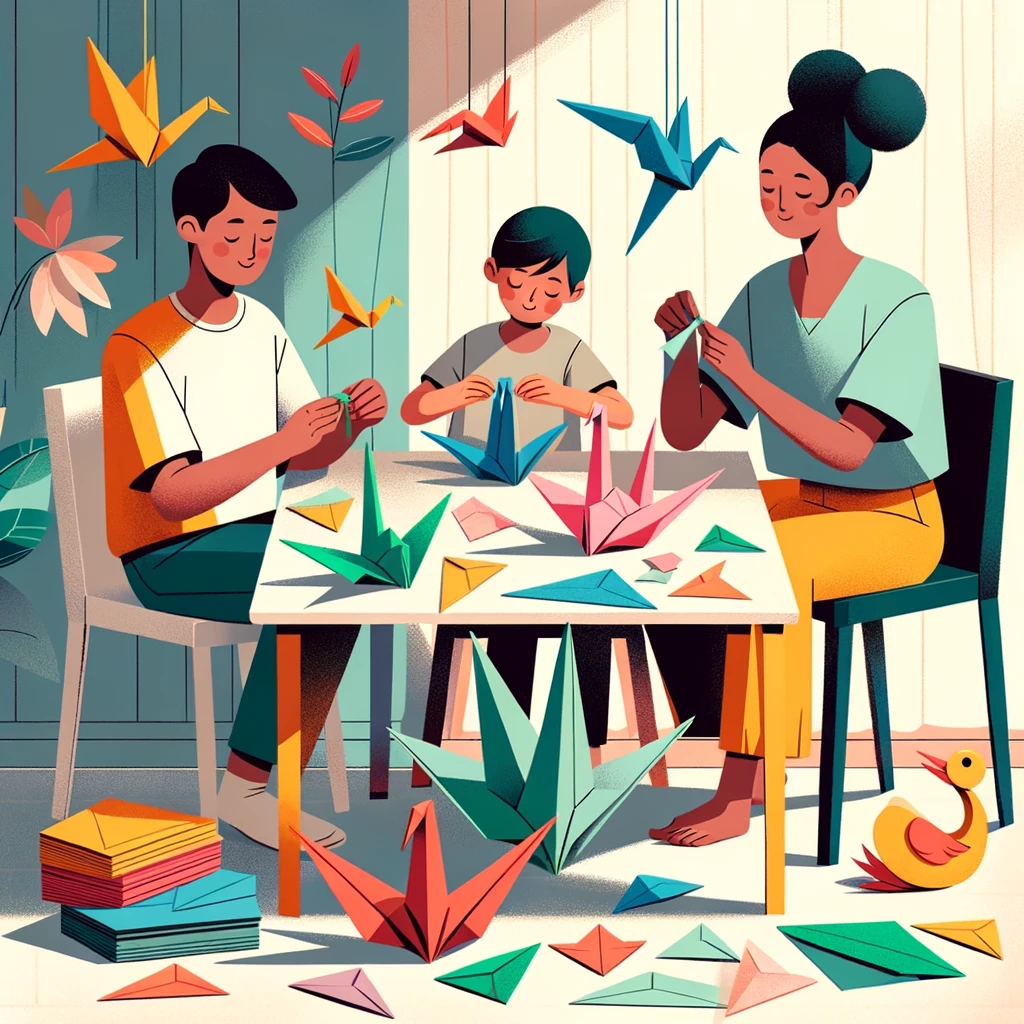
The dog face, the cat, the jumping frog that actually jumps — paper folding taught in the right order, which is the entire secret of origami with kids.
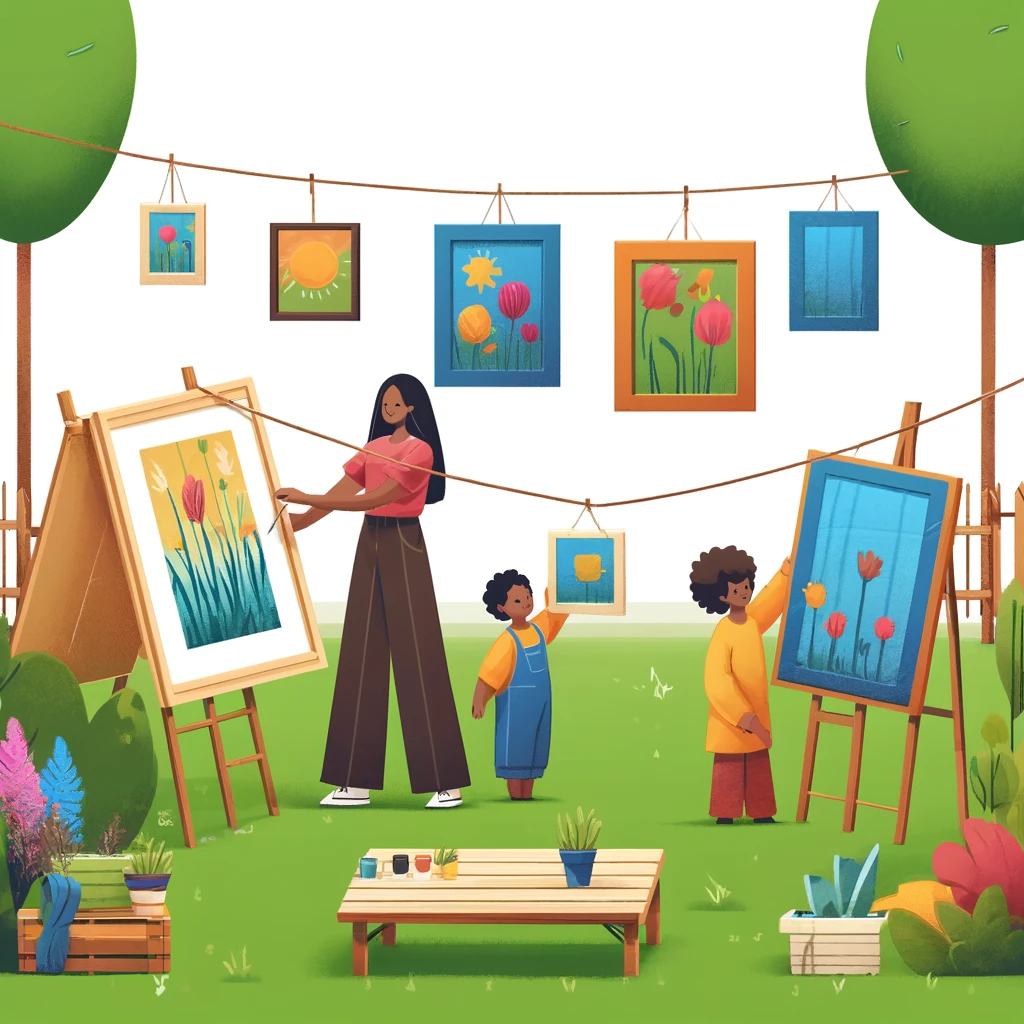
Make art in the garden all morning, then hang the garden with it — fence-line exhibitions, pegged washing-line canvases, a sculpture corner. Private view at four, squash in proper glasses.
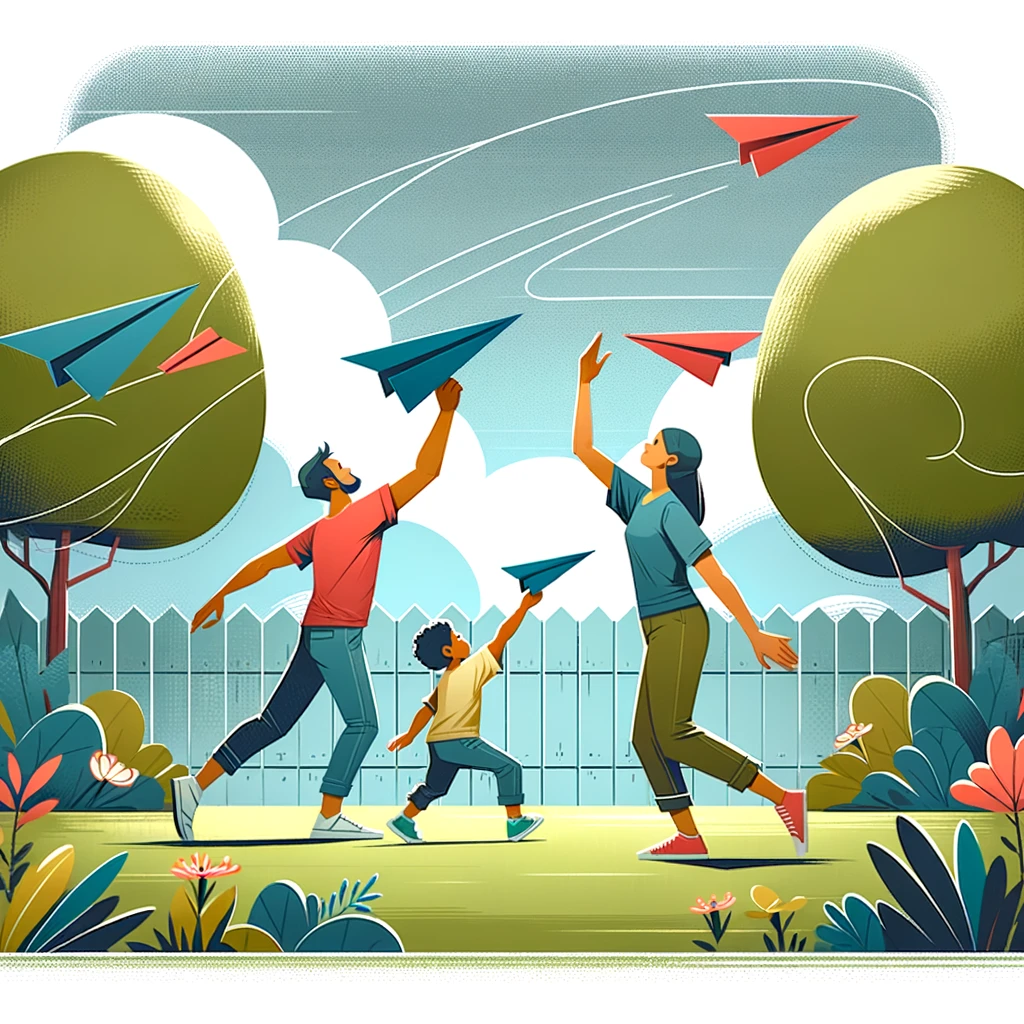
Three designs each, a taped start line in the hall, and a league table on the fridge. Distance, accuracy and stunt classes — the fixture stays out all week.
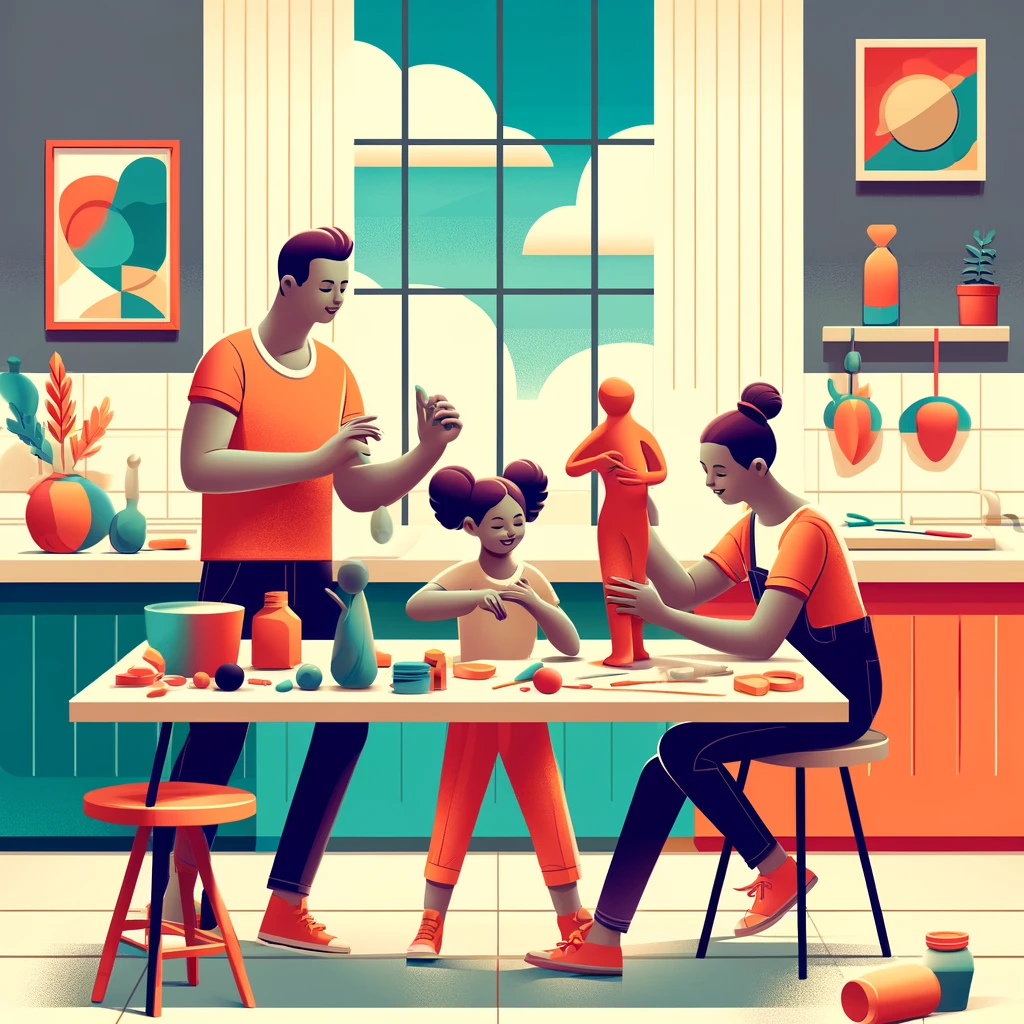
Flour paste, torn newspaper and a balloon or chicken-wire-free armature of scrunched paper — the messiest sculpture medium there is, and the only one that makes helmets.
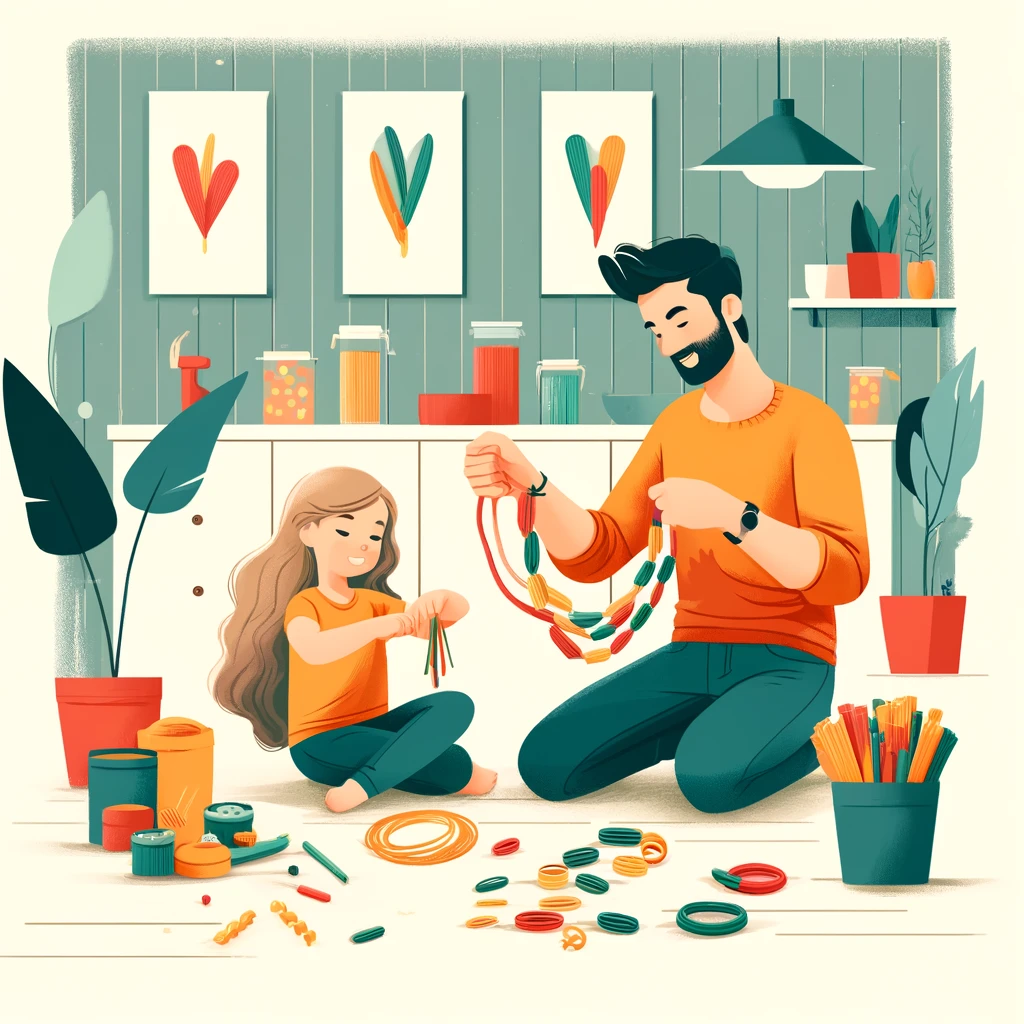
Penne dyed in freezer bags, dried in the sun, threaded on wool — the toddler jewellery workshop that ends with everyone wearing their work to dinner.
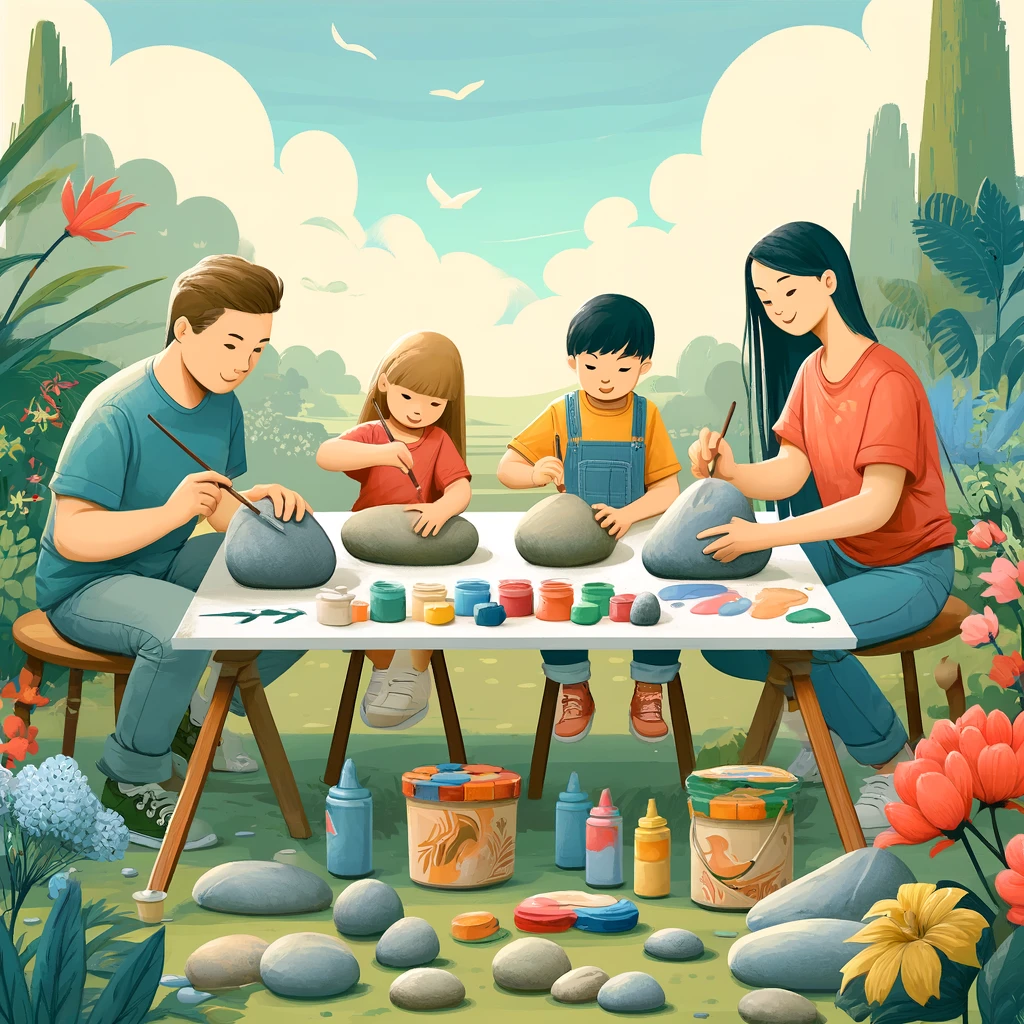
Rock painting with kids using simple designs, weather-safe finishes and idea prompts that go beyond smiley faces.
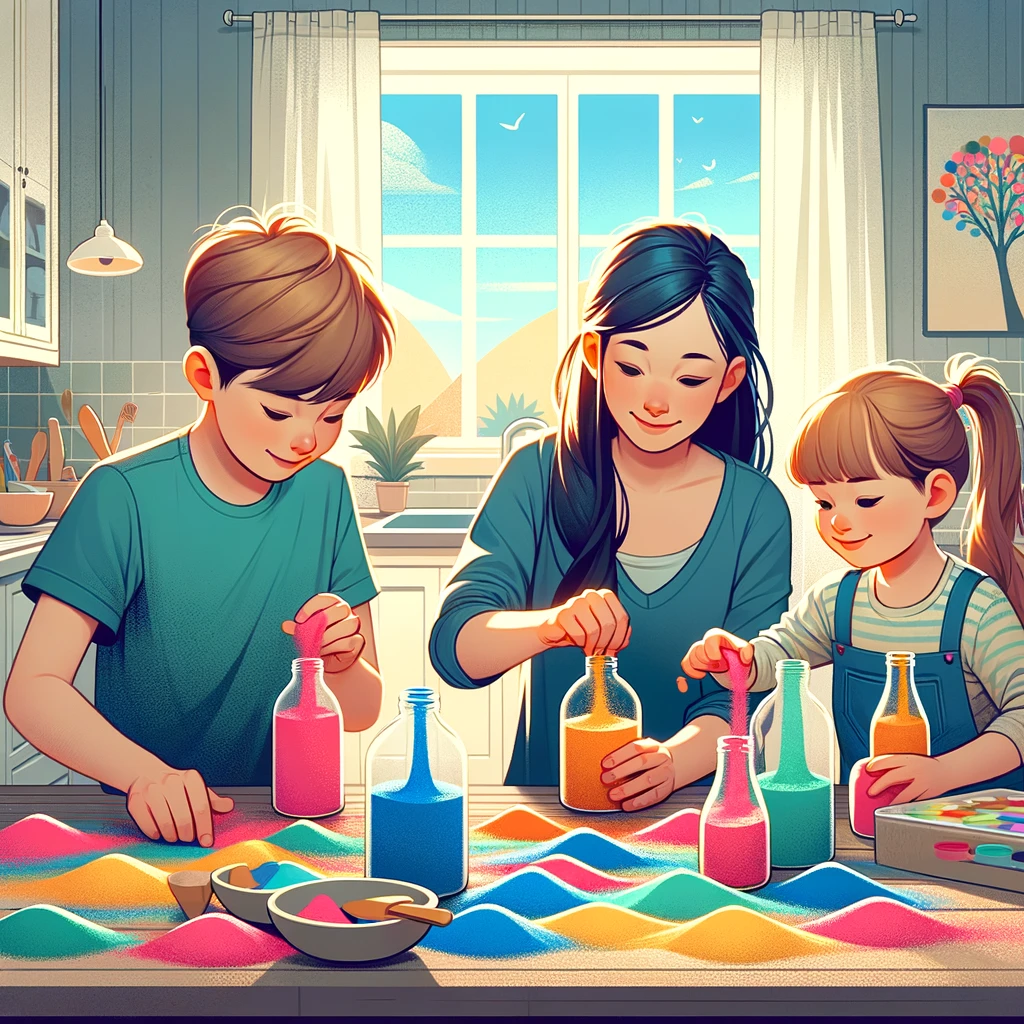
Coloured sand — homemade with chalk or bought in rainbow bags — layered through a funnel into jars, where every pour becomes a stripe and every tilt becomes a landscape.
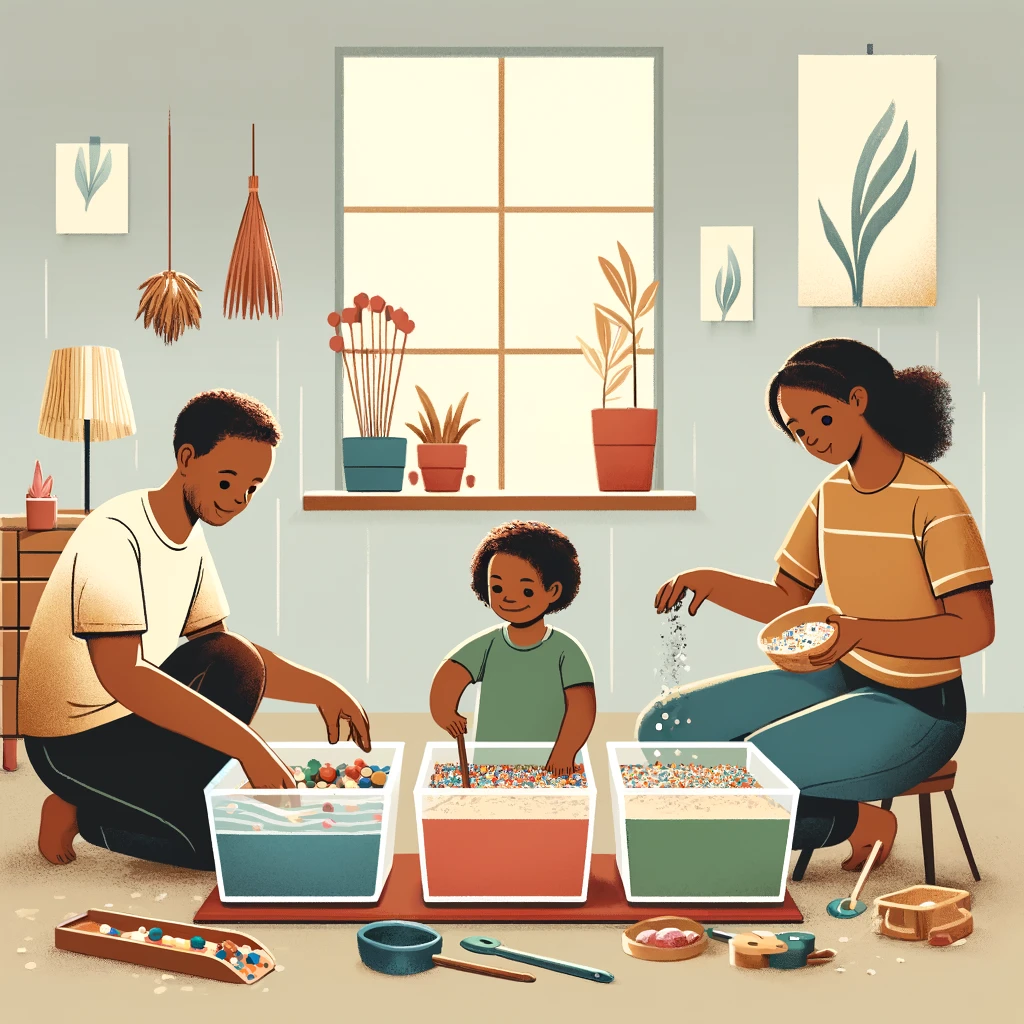
Sensory bins for creative play with setup ideas by age, low-mess material options and easy themes for indoor days.
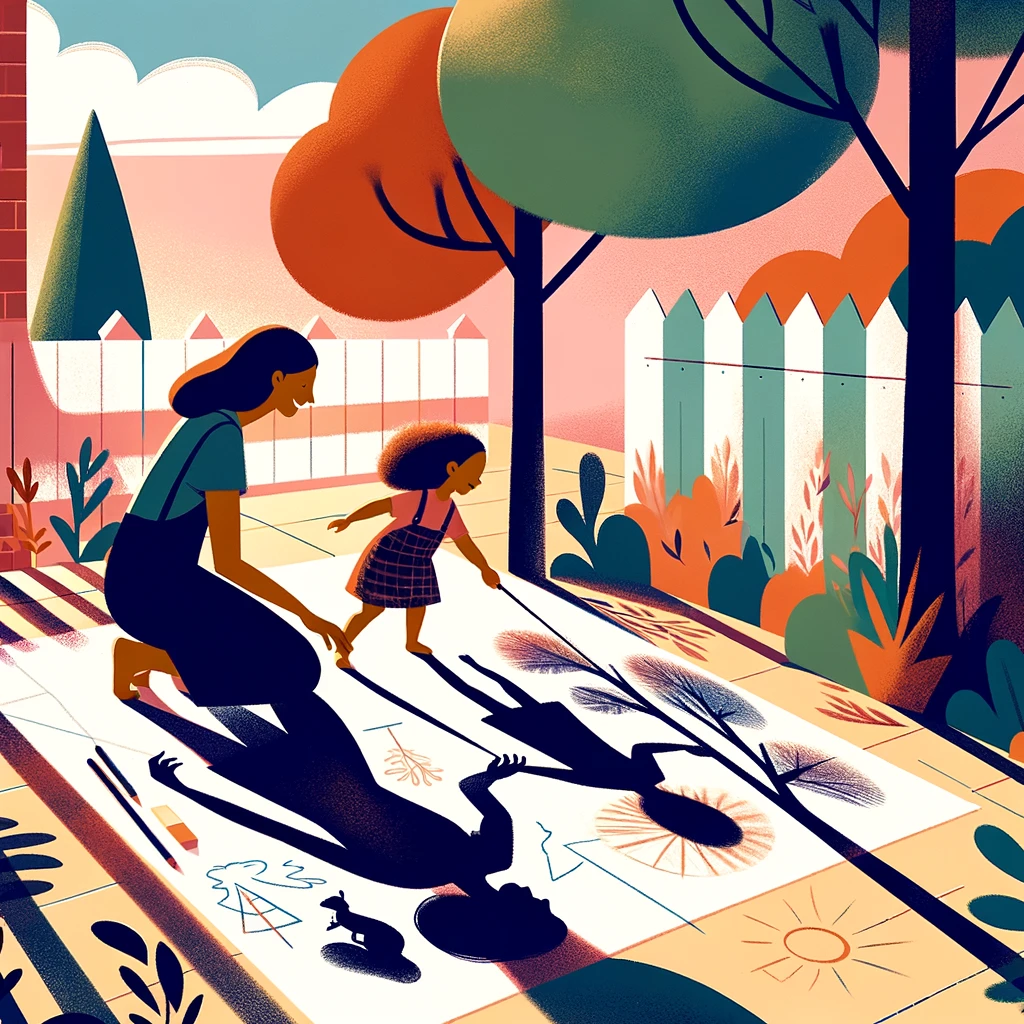
Toys stood on paper in the morning sun throw shadows worth tracing — and an hour later the sun has moved the goalposts, which is the whole solar system explaining itself on your patio.
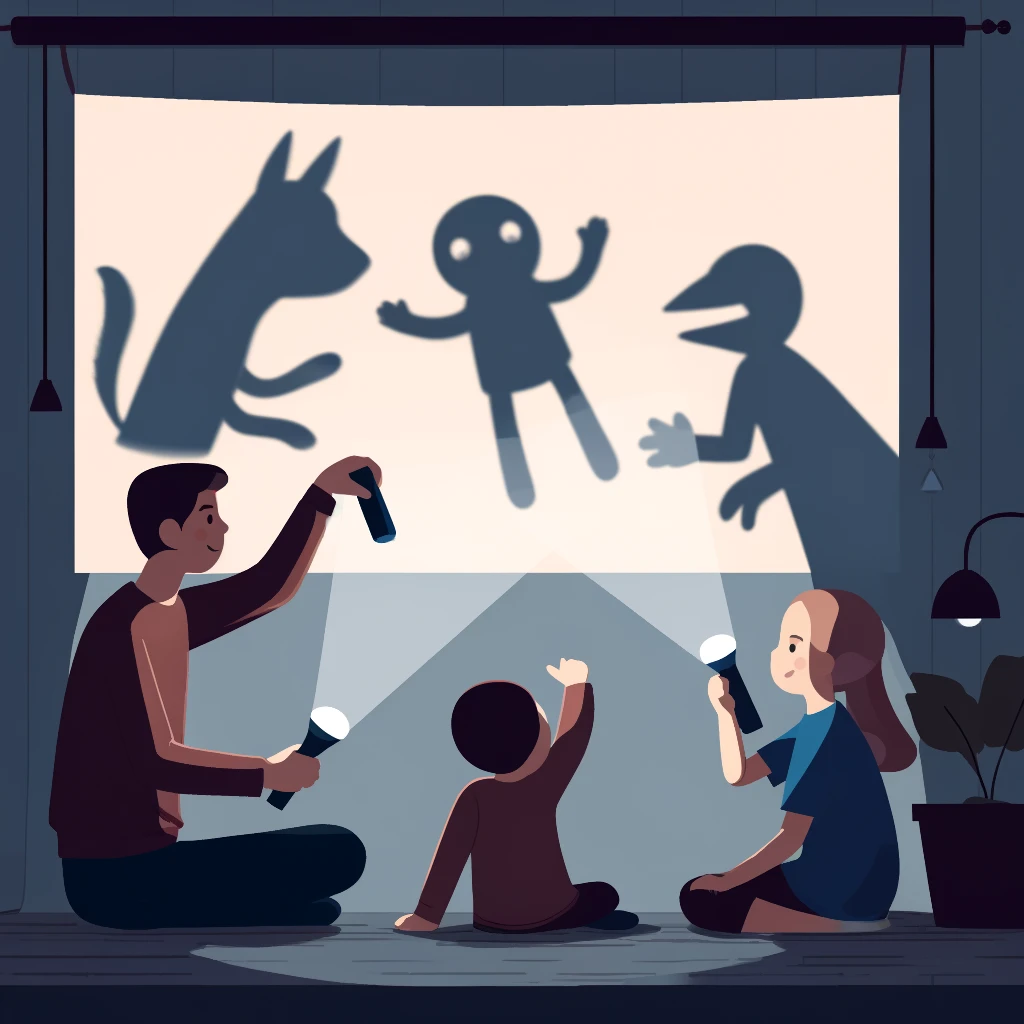
A torch, a sheet, and hands that become birds — then card puppets on sticks for the full production. The oldest theatre there is, ready in the time it takes to find the torch.
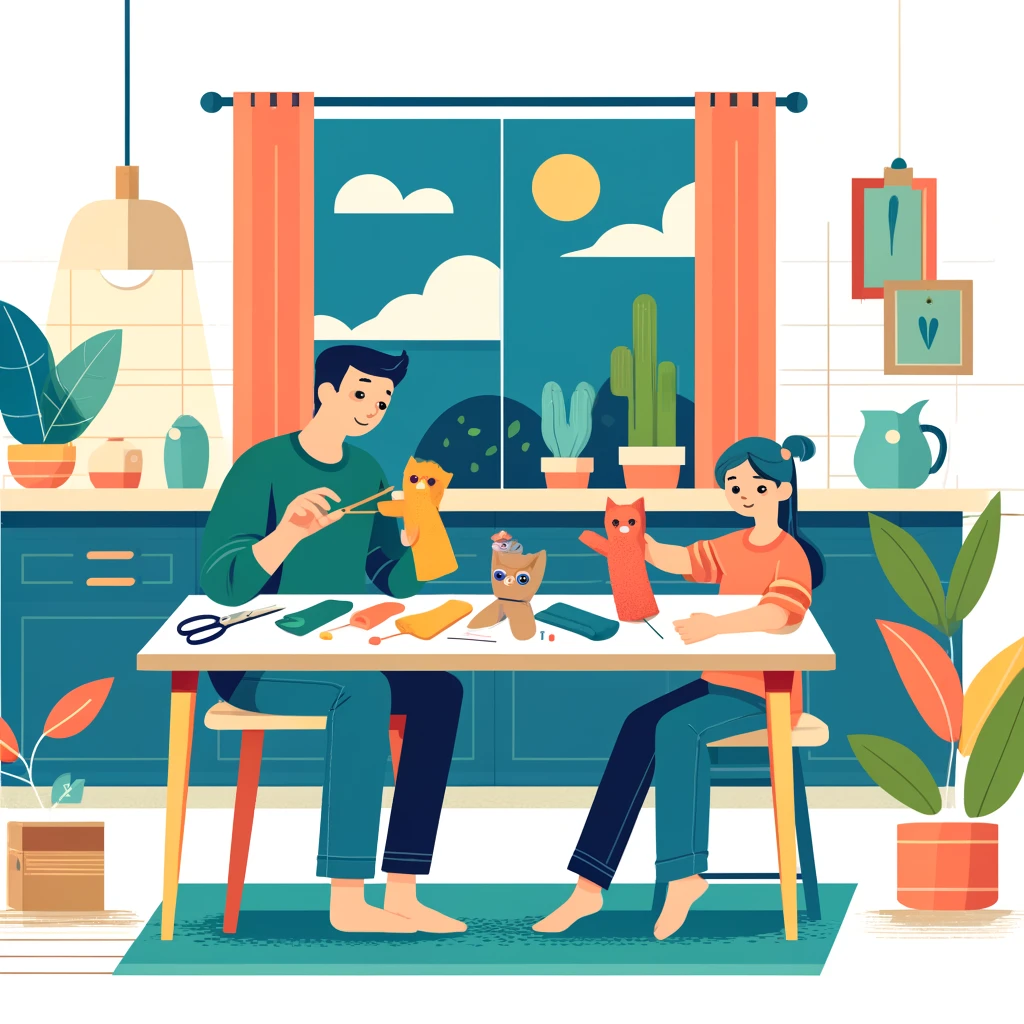
The odd-sock drawer becomes a cast, the sofa becomes a stage, and by teatime there's a show with tickets. Puppets are shy kids' loophole — the sock does the talking.

Papier-mâché planets on a coat-hanger mobile is the classic — but the version they never forget is scaling it true, when Earth is a peppercorn and Neptune is at the end of the street.

Learn three constellations properly — the stories, the star-hop routes, the biscuit-dough models — then go outside and actually find them. Owning a piece of sky changes every clear night after.
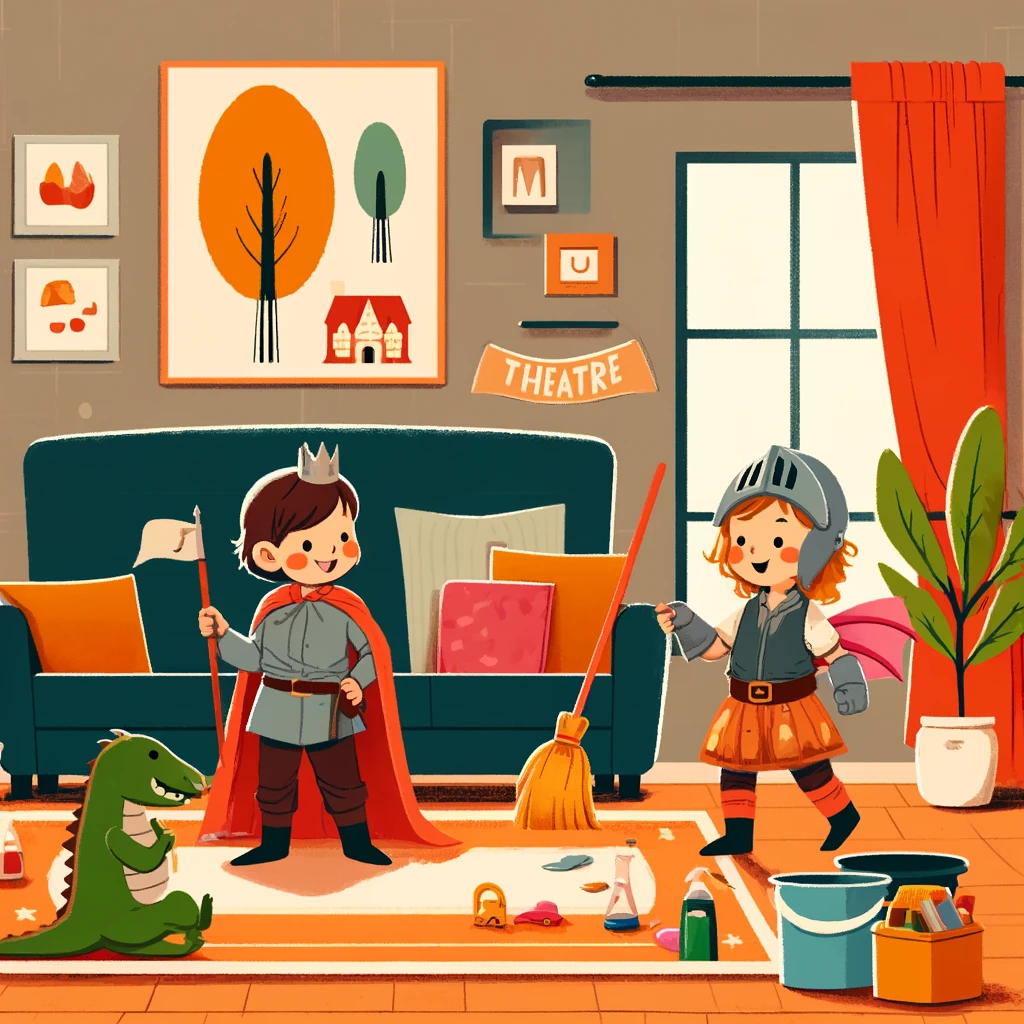
Take the book they already love and put it on its feet — roles cast, sofa staged, sound effects assigned. The bedtime story, performed, is a different animal entirely.
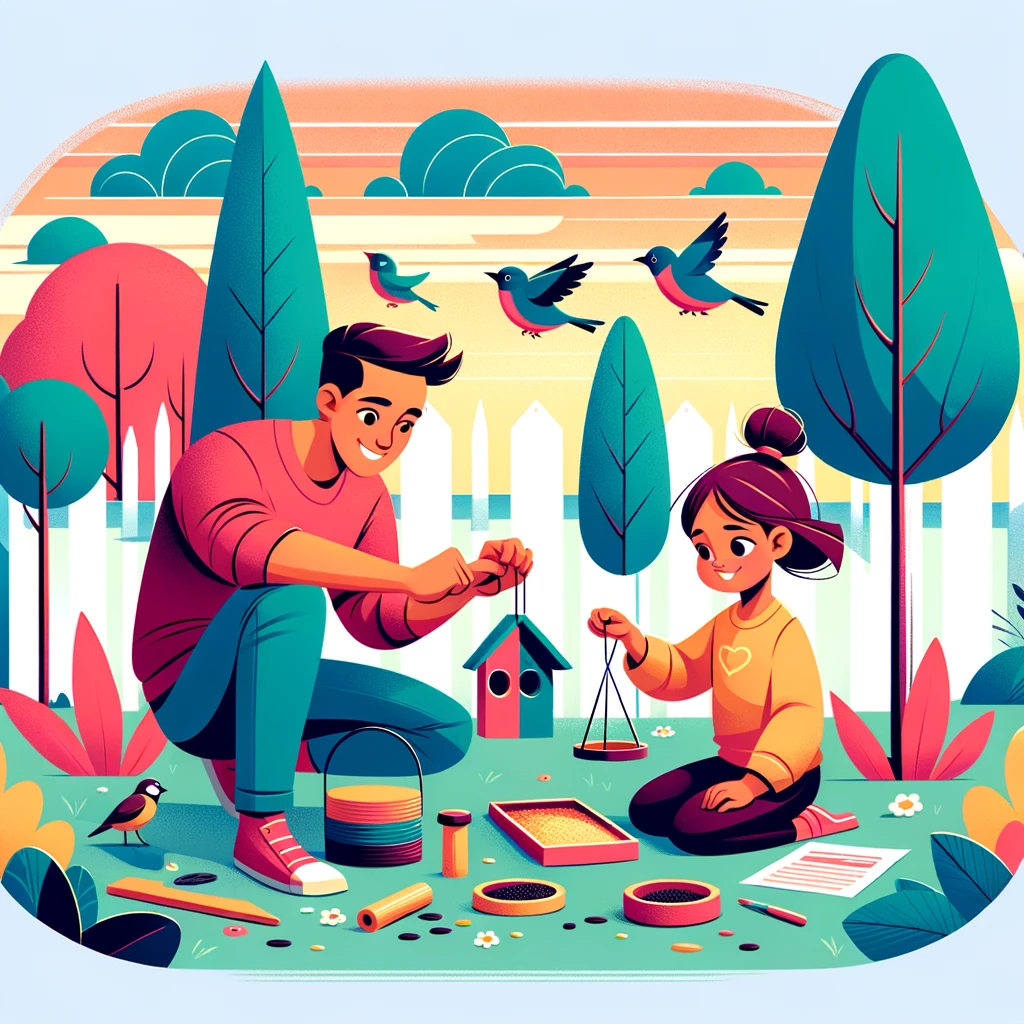
DIY bird feeders for kids with multiple low-cost designs you can make from household materials in one afternoon.
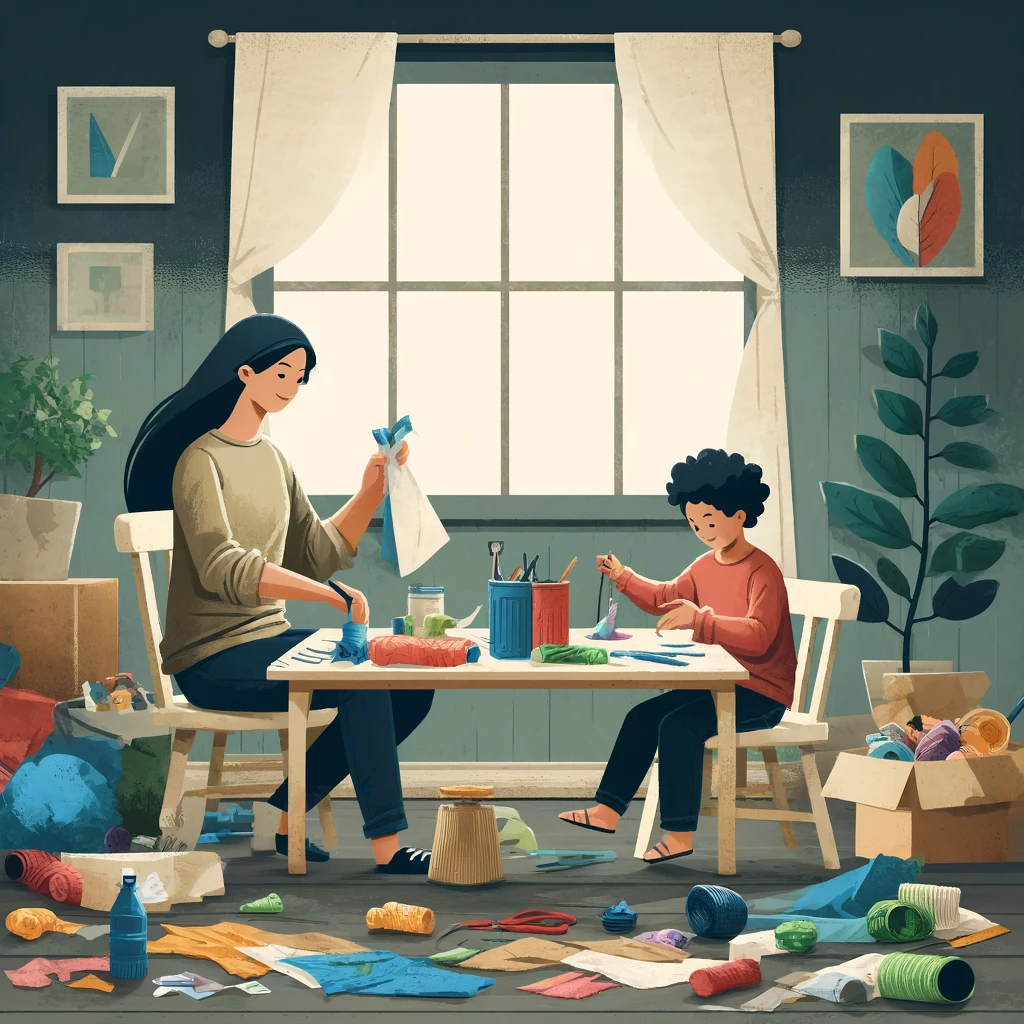
Rescue one doomed piece — the wobbly chair, the sad bedside table, the charity-shop stool — and let the kids redesign it, sand it and paint it into the loudest thing in the house.
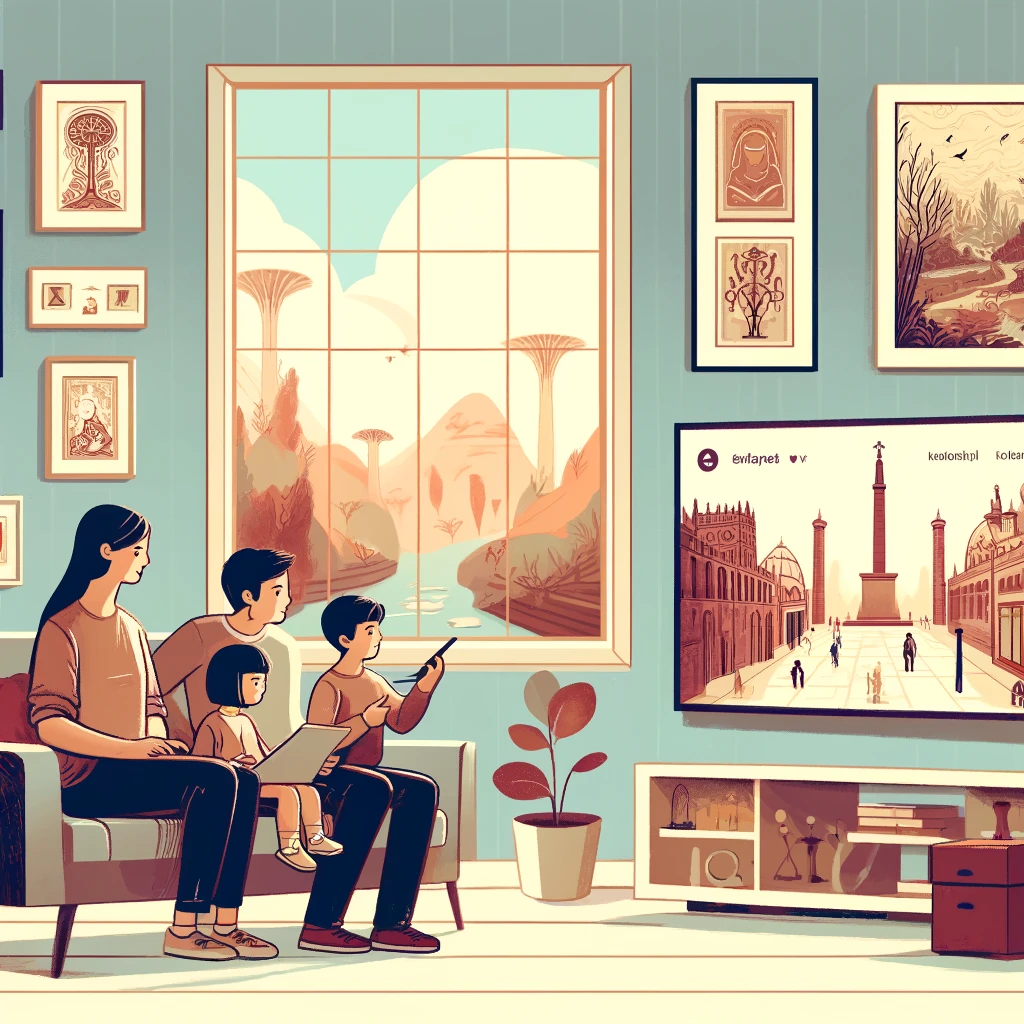
The world's great museums stream free into the living room — the trick is touring like a family, not scrolling like a tab. One museum, one mission, souvenirs drawn at the gift shop.

The medium that rewards letting go — wet paper, loose colour, and the three magic tricks (salt, wax, tilt) that make every child's painting look intentional. Water does the hard parts.
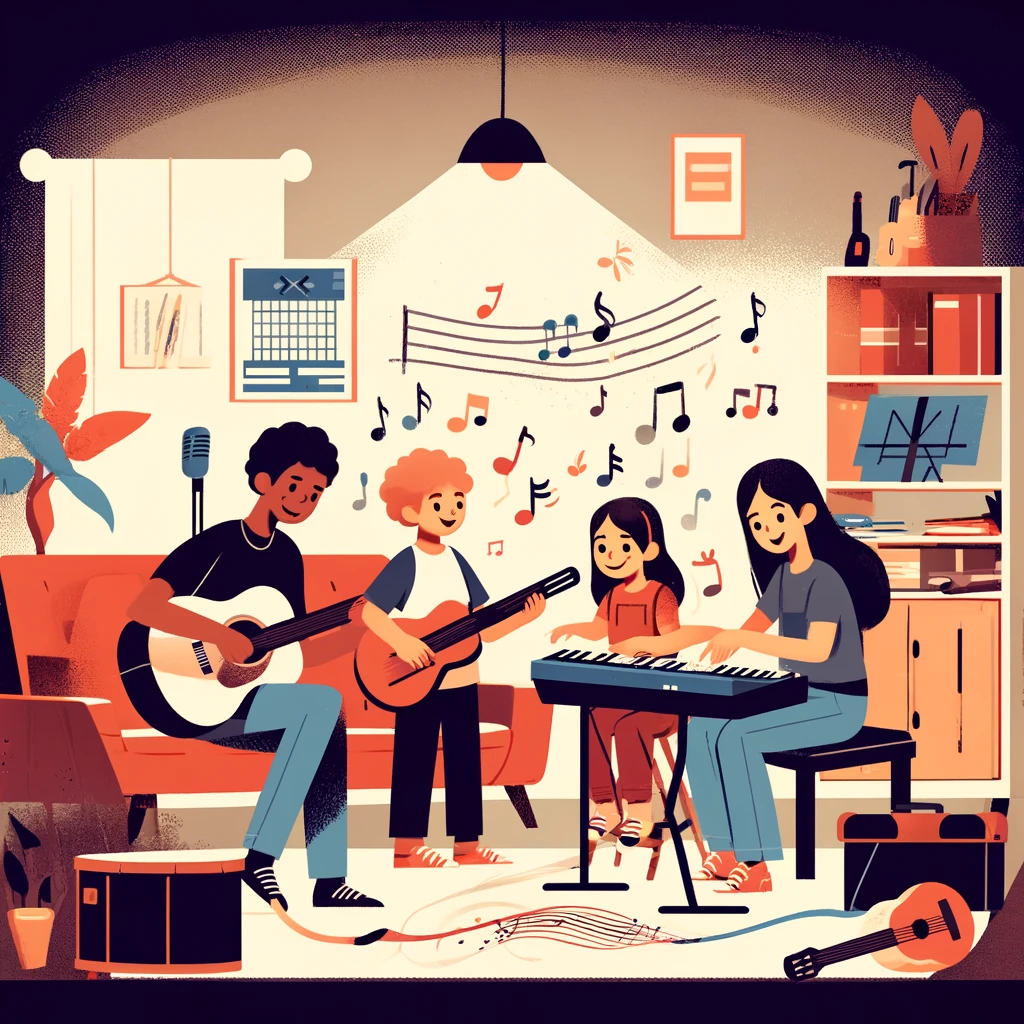
Steal a tune everyone knows, write new words about your actual family, and rehearse it until it's tight. Premieres at dinner; enters permanent rotation immediately.

Cat, cow, cobra, tree — kids' yoga works because every pose is an animal and every animal is a story. Half an hour that ends with them lying still on purpose, which you will not believe.