Eco-Friendly Crafts
Half a day of making genuinely useful things from what the bin and garden were offering anyway. The headline make is plantable seed paper — pulped scrap, wildflower seeds, posted to grandparents with growing instructions. Everything made today has a job to do afterwards.
Last updated
Before you start
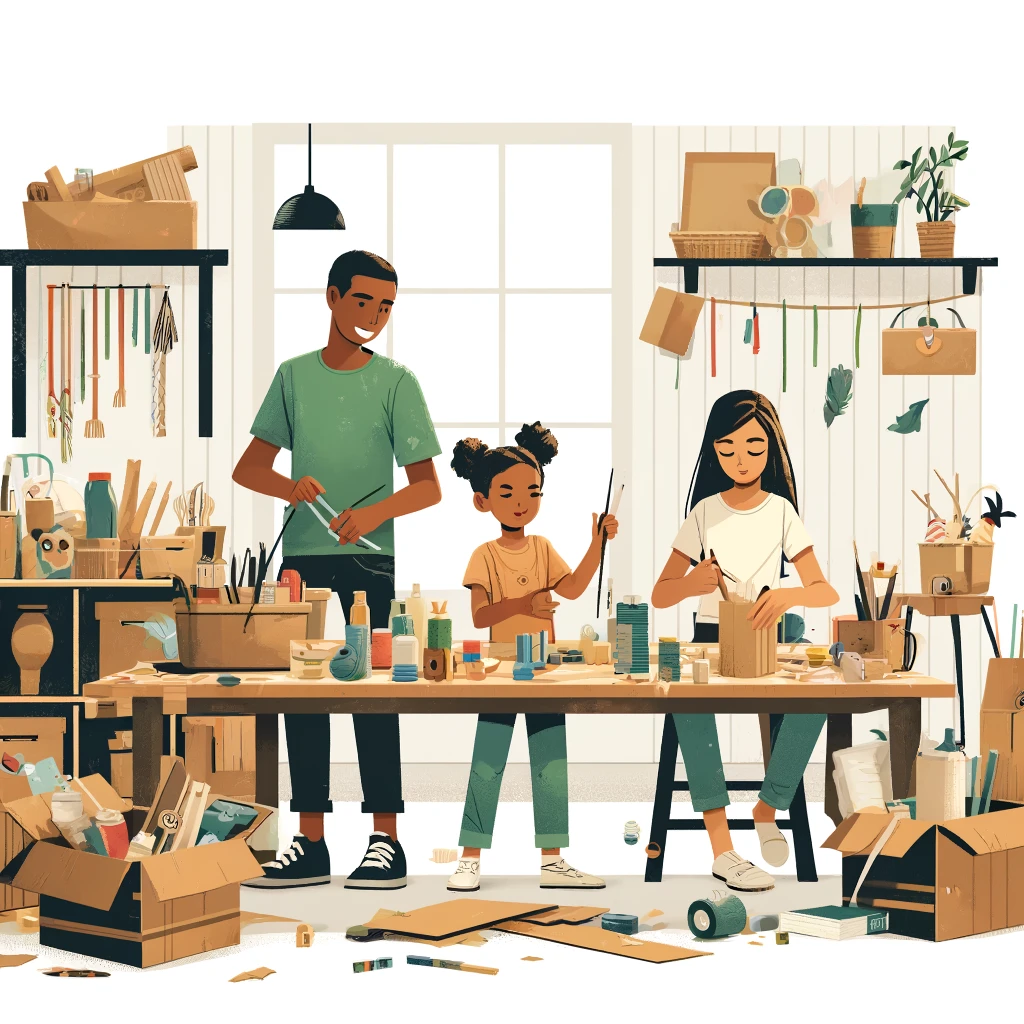
The eco framing works best when it's practical rather than preachy — not "we're saving the planet" but "watch what this rubbish can turn into". Three makes fill the afternoon: seed paper (the showstopper), tin-can lanterns, and jam-jar herb gardens. All three end up used, which is the difference between eco-craft and landfill-with-glitter.
The seed paper needs the one bit of forward planning: the pulped paper has to dry overnight, so make it first and stage the other crafts while it sits. Torn scrap paper, blitzed with water into porridge, pressed flat in a tea-towel with wildflower seeds folded in — it dries into rough, lovely cards that grow actual flowers when planted. Kids find this borderline unbelievable, correctly.
How it goes
The pulp works
Tear paper small — a job the youngest owns completely — soak briefly, then blitz to porridge. Spread the pulp thin on a tea-towel, scatter seeds, press flat with another towel and a hard lean. Leave to dry somewhere warm until tomorrow. Cut into gift tags or postcards once dry; write on them in pencil, plant them under a centimetre of soil, and the recipient grows the thank-you card.
Lantern drilling
Fill cans with water and freeze beforehand if you planned ahead (ice stops the can denting), or brace them in a towel-nest if not. Kids mark dot patterns; the hammer-and-nail work is shared — adult starting holes, older kids finishing them. Wire or string handle through two top holes, tealight in, and the colander test at dusk earns real gasps.
Jar farms
Jam jars, a layer of gravel or broken-crock bits, compost, and a split supermarket herb each — basil forgives most things, mint forgives everything. Label with names and adoption dates. These live on the kitchen windowsill and get harvested by their owners onto actual dinners, which is the entire point and the entire pitch.
The dispatch
Assembly line — seed cards written, lanterns tagged with lighting instructions, one jar farm nominated for the next grandparent visit. Making-for-someone converts a craft afternoon into a gift economy, and the follow-up reports (the paper sprouted, the lantern's on the step) keep the afternoon paying out for months.
Make it fit your kids
Paper-tearing champions and pulp-squeezers — the sensory stages are theirs. Keep them on towel-pressing during lantern drilling and give them the watering of every jar farm.
Full production across all three makes with help on hammer-starts. The seed-paper reveal (it GROWS?) lands hardest here, and the gift-tagging gets deeply personal.
They can run the pulp recipe solo, design lantern constellations rather than random dots, and take the jar farms scientific — a basil-growing trial across three windowsills.
Batch production with intent — seed-paper cards as actual birthday stock, a lantern set for the garden table, herbs they cook with. Frame it as making things worth money and it lands.
One seed packet is the entire spend — pulp from the recycling, cans from dinner, jars from the cupboard, herbs split from the one pot already on the windowsill.
If it’s going really well
- The seed-paper Christmas — a production run in November covers the year's gift tags with plantable ones.
- Lantern path for the next garden evening — six cans, one string of solar lights cannibalised, magic.
- Graduate to the full bug hotel or bird feeder for the garden's growing eco-quarter.