Geocaching Adventure
Half a day of GPS treasure hunting using the free geocaching apps — millions of real caches are hidden in parks, woods and street furniture near you right now. Pick three easy ones, pack swap-treasures and a pen, and the family walk acquires a mission.
Last updated
Before you start
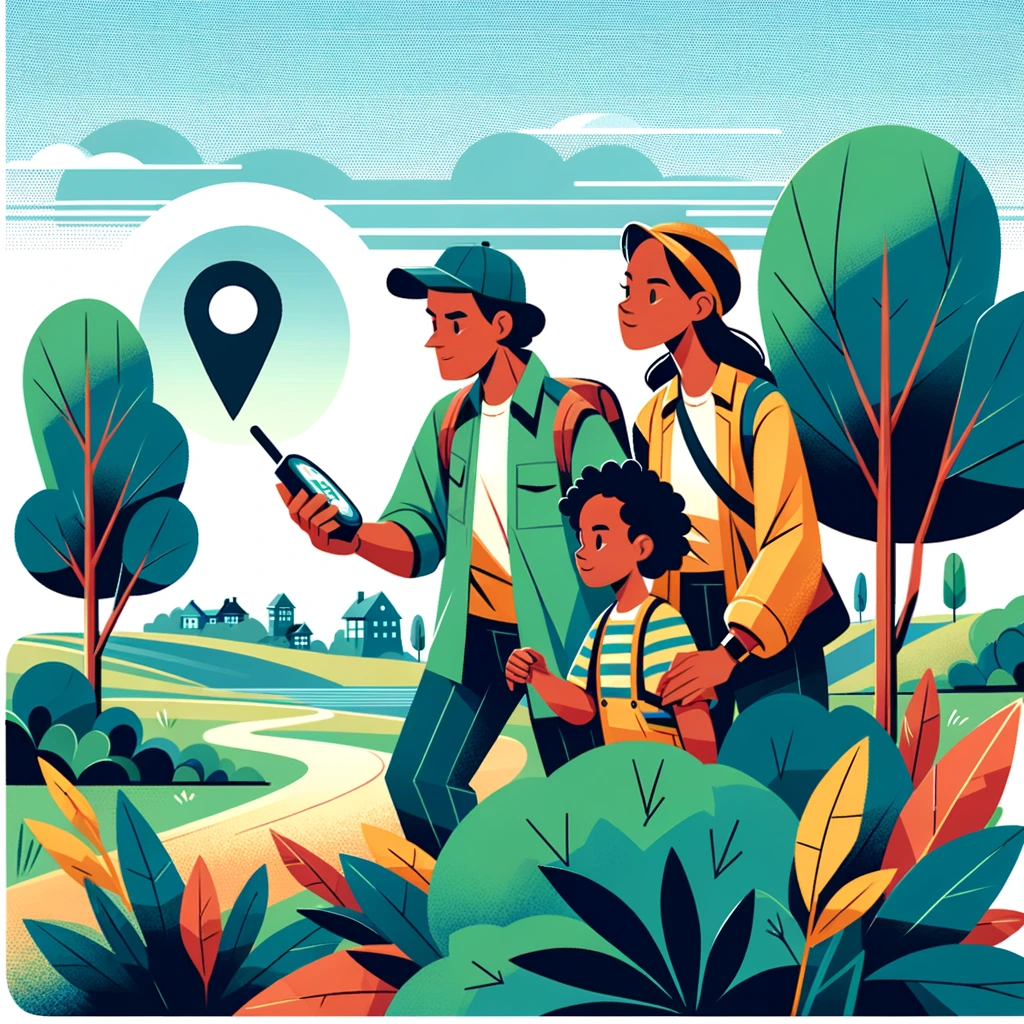
Geocaching solves the great family-walk problem — "why are we walking" — by giving the walk a target. Real containers, hidden by real strangers, holding logbooks and trinkets, are within a mile of you now; the free app shows the map and the phone does the navigation. Kids who fight the walk to school will yomp three miles for a Tupperware box under a log.
Know before you go: check the size and difficulty ratings and start with big, easy caches. A "micro" is a film canister holding only a rolled log — a crushing first find for a seven-year-old expecting treasure. Filter for regular-sized, low-difficulty caches, and pack a pouch of swap treasures, because the iron law of the hobby is take something, leave something of equal or better value.
How it goes
Mission briefing
Open the map together and gasp appropriately at how many caches surround your ordinary life. Pick three — big, easy, walkable in a loop — and read their descriptions and hints aloud. Assemble the swap pouch with each kid contributing treasure they're genuinely willing to trade. Charge the phone. The phone is the map, and a dead phone is a plain walk home.
The approach
Navigate by the app's arrow and distance countdown, taking turns as chief navigator — the walk itself becomes the game as the metres tick down. At thirty metres, phones away and eyes on — the app gets you close, but the last stretch is human. This handover from screen to search is the best-designed moment in the hobby.
The search
Think like a hider — the odd pile of sticks, the too-neat stone stack, the magnetic thing under the bench. First-spotter calls it but doesn't grab it; everyone gets eyes on before extraction. Open it somewhere subtle (muggles — non-players — are watching, and this secrecy is catnip to kids). Sign the log, make the trade, rehide it exactly as found or better.
The debrief
Log the finds in the app with a sentence per cache — future finders read these, so the kids are now writers with an audience. Rate the day's caches, argue over the best hide, and check the map for next time. There's always a next time; the map has seen to that.
Make it fit your kids
Carried or trundled to the site, then deployed for the final search at ground level — they find low hides adults walk past. Their trade decision takes nine minutes and must not be rushed.
Peak geocachers — navigation turns, first-spotter pride, solemn log-signing and total commitment to muggle secrecy. Three caches is their perfect number.
Full navigators who should run the app end to end, read hints only when the team votes for it, and draft the log entries. Introduce difficulty ratings as a ladder to climb.
Give them the planning — a five-cache route, a puzzle cache if they're sharp, and the family's own hide (below). GPS autonomy plus secret-keeping is a rare teen-approved family format.
The apps are free, the walk is free, and swap treasures come from the party-bag drawer of forgotten trinkets — the hobby's total running cost is one pen.
If it’s going really well
- Hide your own cache — the family builds, waterproofs and registers one, then reads every log stranger's entry at dinner. The gift that keeps reporting in.
- Travel bugs — trackable tags that migrate cache to cache worldwide; release one and follow its journey on the map for years.
- Cache-density holidays — check the map before booking; some campsites are surrounded, and the kids' walk objections evaporate for a week.